As an energy crisis is met with a temporary tax break and an economic downturn is met with an employee bonus scheme. Columnist Brian Melican asks, 'Has the German government gone mad?'
Halfway through a bruising decade, the relentless focus on what is going wrong in Germany is making things worse for everyone except extremists. A more positive attitude is urgently needed, argues Brian Melican, and starting from the top.
Student participation, called 'Mitarbeit', makes up a large portion of students' grades in German schools. But the way it's assessed can be poison in the classroom, particularly for foreign pupils, writes Tom Pugh.
European leaders sending their troops to Greenland has - writes political columnist John Lichfield - called Donald Trump's bluff when it comes to military conflict. Instead the continent faces the prospect of a long and brutal trade war.
As an eventful 2025 draws to a close and Germany takes stock, our columnist Brian Melican casts his gaze ahead to the new year: what can we expect in 2026? More of the same uncertainty and crisis – or worse?
Some foreigners, who have integrated into German life, see themselves as apart from the debate on immigration and its consequences. But everyone who was not born in the country should remember they are immigrants too, writes Brian Melican.
German chancellor Friedrich Merz has come under fire for doubling down on what many see as racist remarks on diversity in cities. Rather than addressing underlying social issues, Merz risks sowing division, says Rachel Loxton.
As the coalition government wrangles over re-introducing conscription, Brian Melican examines the related debate, what the likeliest outcomes are, and what the looming draft would mean for young Germans and dual-nationals.
After Germany acted efficiently to scrap its fast-track naturalisation route less than 18 months after its introduction, Brian Melican argues this abrupt policy shift is a depressing warning to exactly the kind of people the country needs.
Rental costs across Germany continue to rise at alarming rates. Since rent control laws are only enforced when tenants invoke them, Paul Krantz argues that doing so should be seen as a civic duty to help keep rents down.
Germany's national railway operator got a new boss who has promised to bring a 'new start' to the troubled company. Brian Melican examines that challenges she faces, suggesting that the real issues are systemic.
Germany makes it hard for newcomers, you're either all German or you’re an Ausländer, argue Chris Reiter and Will Wilkes, the authors of a new book 'Broken Republik'. If only it could enhance the feeling of belonging and inclusion for all.
Little over three months into his term as Chancellor, Friedrich Merz and his coalition have brought significant changes to Germany. At the 100-day mark, Brian Melican examines where Merz’ government has lived up to expectations – and where it hasn’t.
With public transport connections, parks and wide pavements, German cities are generally designed with pedestrians in mind. It's something the US and other countries could learn from, writes journalist Rachel Loxton.
As government spending on pensions soars again and economists discuss options for financing ever-growing entitlements, Brian Melican examines the German system – and the prospects for everyone currently paying into it.
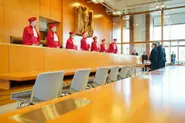
Last week, an election of judges to the Constitutional Court was abruptly postponed, creating a fresh political crisis. Brian Melican unpacks the controversy, and explains why the politicisation of Germany's highest court is a serious threat.
Germany's federal government is set to extend the rent brake, or 'Mietpreisbremse', until 2029. But columnist Brian Melican argues that the rent control may actually be doing more harm than good.
For English-speaking parents in Germany, successfully raising bilingual children can require a surprising amount of forward planning – and vast reserves of patience, explains father of two Tom Pugh.
After a slew of racist and dehumanising statements by members, Germany's domestic intelligence agency has finally classified the AfD as a 'right wing extremist group'. Now it's time to actually ban the party, writes Lya Paulsen.
With coalition negotiations between the CDU-CSU and SPD reaching a crucial point of no return, Brian Melican looks at what the likely outcomes will be and what they will mean for people living in Germany. One thing about these talks is already clear: failure is not an option.
Europe has a new direct train link between two of its great capital cities, but The Local's Emma Pearson finds out the Paris to Berlin route isn't always quite as "direct" as promised. Perhaps no surprise given it's run by Deutsche Bahn.
After a close-run election, a new German parliament is coming together. Our columnist Brian Melican shares who the vote winners and losers are, and what the results mean for the next government.
German election winners, the conservatives, have started initial coalition talks with the SPD. But experts warn that forming a functioning government is just one of many challenges politicians need to overcome to tackle far-right gains.
Germany needs foreigners to survive, but xenophobic politics and long waits for citizenship mean many won’t have a say in its future. With so many disenfranchised, this snap election has been especially galling, writes Imogen Goodman.
With just over a week until Germany goes to the polls, it looks certain that Friedrich Merz will lead the next government. But what kind of chancellor will he be? Given recent events, expect a political rollercoaster, writes columnist Brian Melican.