

I know what you're thinking – Germany loves cars. It's true that the country is home to some of the world's most iconic automotive companies and the allure of driving without a speed limit on the Autobahn is known around the world.
But here’s the other side of things – Germans really enjoy walking and their cities are designed heavily with pedestrians in mind.
With lots of ‘Fußgänger’ zones, wide pavements, plenty of green space and a far-reaching public transport network, walking in German cities is a pleasure that everyone can take part in. It results in a healthier lifestyle, is better for the environment and, crucially, means that most people don’t have to own a car.
US could learn from Germany
This part of life in Germany was brought home to me when I visited Los Angeles earlier this year. The US is well-known for its extreme car culture and has few public transit connections. Many people in the US have no choice but to hop in the car for small errands like going to the supermarket or dropping the kids off at school.
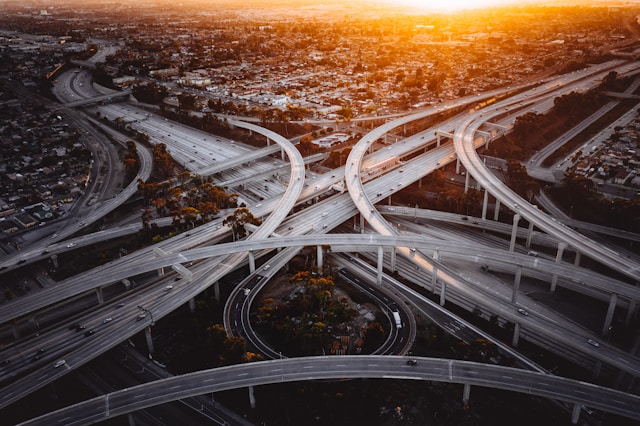
I was car-free for most of my LA trip and it sure resulted in a number of challenges. The bus and light rail network was helpful (and thankfully cheap) to use, but its geographic limitations made it tricky to really get around the area.
READ ALSO: Ice to the Autobahn - 8 common myths American travellers have about Germany
I found myself frequently having to walk long distances that were littered with hurdles. For instance, on more than one occasion, a sidewalk I was following would abruptly vanish, leaving me to walk on the road with the traffic. Or I would find myself at the edge of a freeway and have to turn back and find another way to my destination.
It’s no secret that Europe leans towards promoting lifestyles that don't depend solely on driving, which is a stark contrast to the US.
A recent report from the Federal Institute for Research on Building, Urban Affairs and Spatial Development (BBSR) found that the majority of people in German cities can access most daily services within a 15-minute walk or bike ride.
This not only helps create a community atmosphere in cities, but also improves the health of the population. Various studies show that walkable cities encourage physical activity, which can lead to a decreased risk in serious health conditions.
READ ALSO:
- Will Germany’s motorists and cyclists ever learn to live with each other?
- Munich named 'most walkable' city in the world
The no-car attitude starts young. Children are encouraged to walk to school by themselves from an early age. They learn how to bike safely on cycle paths and roads, and take public transport alone. This fosters independence and confidence as they grow up.
And you'd be hard pushed to find a past-time that Germans love more than 'Wandern' (hiking) or 'Spaziergang machen' (taking a walk). According to Germany's Transport Ministry, more than 80 percent of Germans enjoy walking, while almost a third of journeys are undertaken on foot.
You might have even spotted videos on social media poking fun at the German stereotype of encouraging people to go for a casual walk (that turns out to be a 15km hike).
This culture is one of the things I love about living in Berlin.
In my home country of Scotland, walking in cities is easier than in the US – but public transport is often expensive and limited.
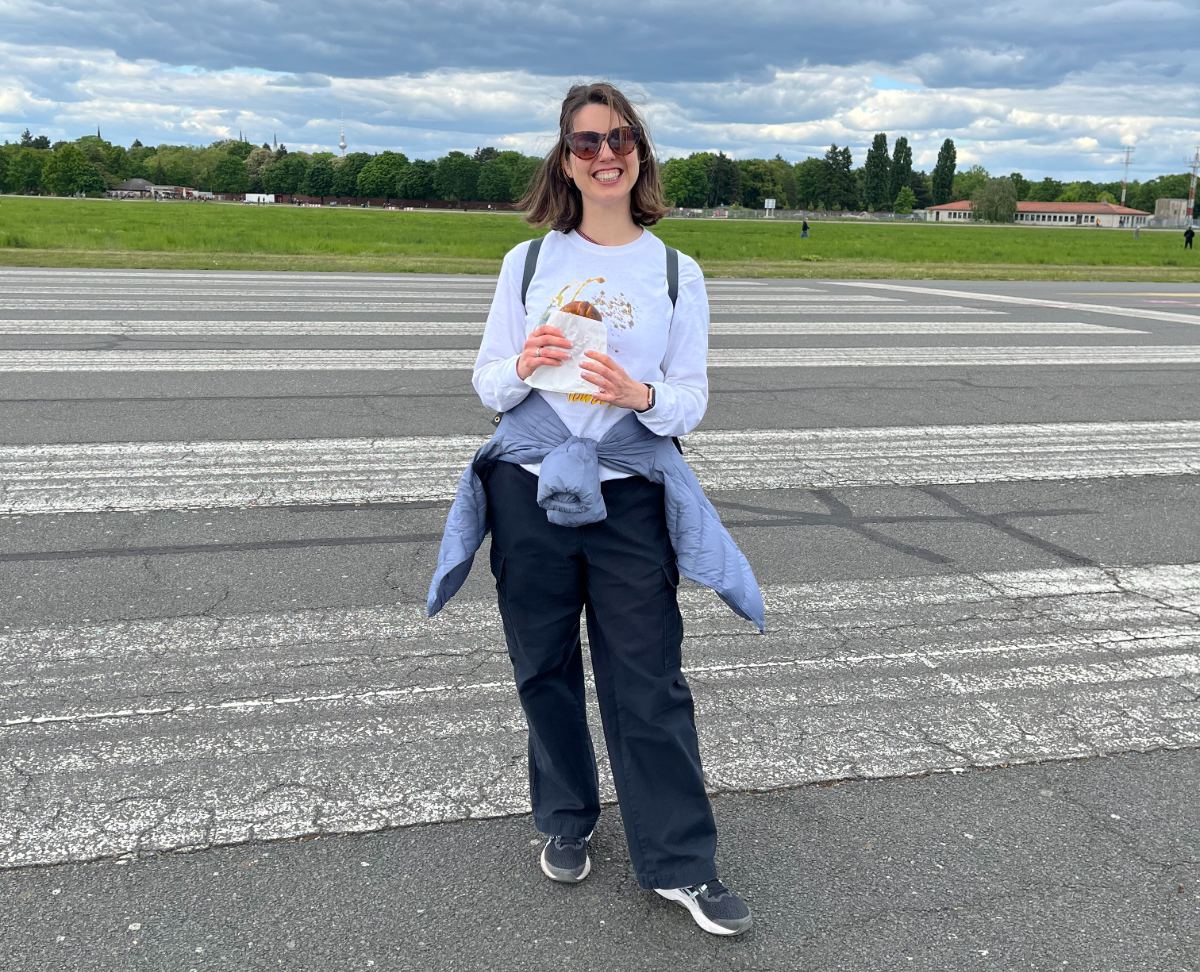
Here in Berlin, I walk all the time, far and wide. It's a refreshing way to take in the city, its fascinating history and culture. Thanks to the Deutschlandticket (Germany's €58 per month travel pass) I can easily reach Berlin's different neighbourhoods by bus, tram, train or the U-Bahn.
READ ALSO: What's behind the German love of hiking?
How Germany could improve
I’m not saying that Germany is a perfect place for pedestrians. There’s still plenty of room for improvement, especially in terms of accessibility.
Construction works that spring up and block walkways regularly cause problems in German cities, including Berlin.
Meanwhile, people with disabilities can face difficulties using public transport.
Take Berlin's U-Bahn network. There are 175 underground stations in Berlin and 85 percent of them are accessible via a ramp or lift.
That still leaves a fair proportion that are difficult for people with mobility issues to access, while lifts and escalators often fall into disrepair and aren't fixed for weeks.
Local (and nationwide) politics also influences the way German cities are developing when it comes to urban space. For instance, the controversial planned extension of the A100 motorway in Berlin, backed by the Christian Democrats in the Senate, is expected to go ahead.
Meanwhile, a section of Friedrichstraße in Mitte that was closed off to traffic as part of a trial by the Berlin Senate reopened in summer 2023 after objections from some local residents.
READ ALSO: How Berlin's Friedrichstraße ended up at the centre of the car-free debate
Obviously German cities can't be asked to get rid of cars, which are firmly rooted in people’s lives.
But Germany is a striking example that designing cities with pedestrians in mind, providing more walkable routes and accessible public transport that isn't too expensive, contributes to a more climate-friendly future that everyone benefits from.

Comments (2)