
Everybody knows the meme, right? Tintin is sat with Captain Haddock, who says: “What a week, huh?” The answer: “Captain, it’s Wednesday.”
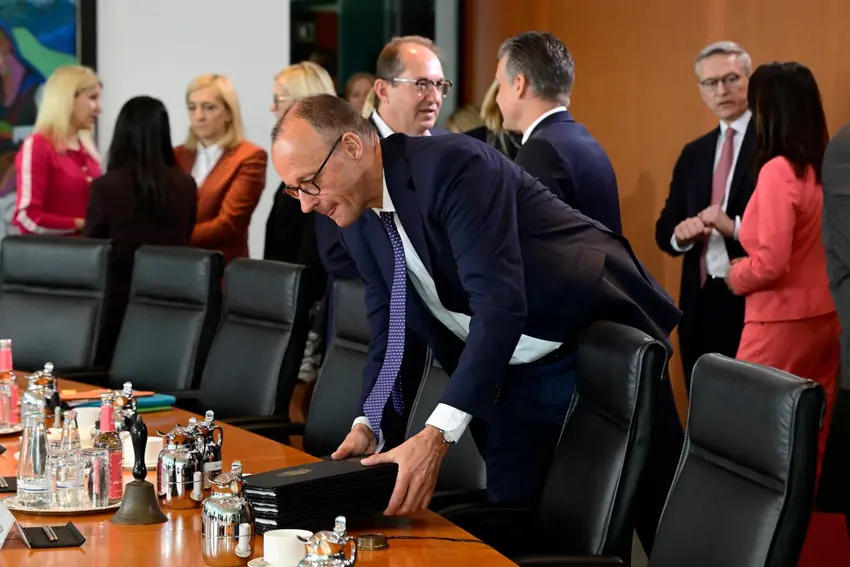
Similarly, we might imagine a frazzled Friedrich Merz saying “Wow, what a year…” – only to be reminded that it’s still August and that he was (not) elected Chancellor only three months back.
Yes, these are relentless times, both in the domestic and international arena, and early May feels like a long time ago – for all of us.
Back then, I outlined Merz’ daunting in-tray of problems, ranging from a stagnant economy to our flailing foreign policy. Even further back, in the distant mists of mid-February, I wrote that we could expect Merz to be an unpredictable maverick Chancellor, and should brace ourselves for a volatile few months.
So now, 100 days in, how has Merz governed – and how is his government faring?
Well, badly, if opinion polls are to be believed. The government looks unstable, and the only reason it will hold is that, in terms of parliamentary arithmetic, there is simply no other option. Some of this instability was easy enough to see coming. Some other problems, though, have popped up quite unexpectedly…
Predictable unpredictability: Immigration and asylum
If there’s one thing that was clear from the start, it was that the CDU/CSU being in government with Friedrich Merz as Chancellor (and Markus Söder as Markus Söder) would mean shake-ups in Germany’s approach to immigration.
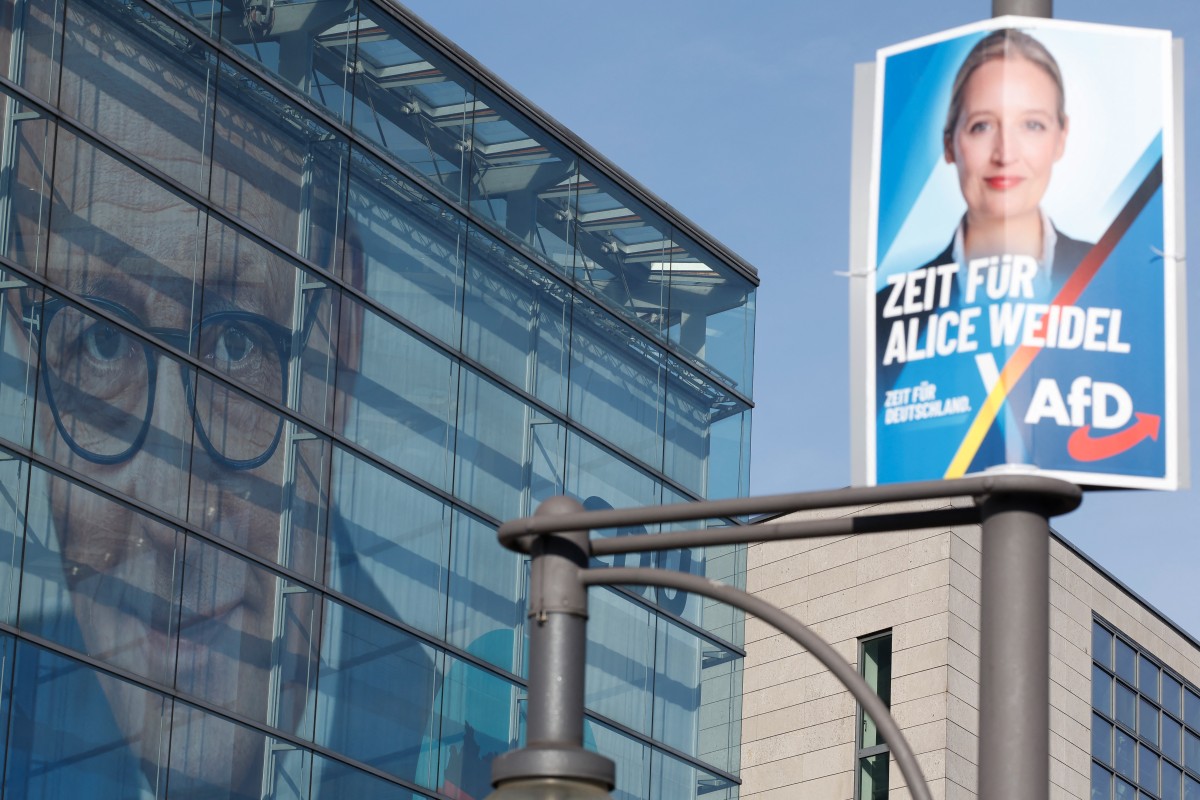
After all, the year began with Merz, still in opposition, using AfD support to box a bill on ‘curbing the inflow’ through Bundestag. As this flirt with fascism made clear, Merz is willing to break convention – and, potentially, European law – in efforts to reduce the number of newcomers to Germany.
READ ALSO: 'Shocking' - Voters in Germany react to CDU's migration crackdown plan backed by far right
In that sense, he has delivered exactly the instability he promised. Germany is now turning back people at its borders – but only on a discretionary basis and with tacit agreement from Brussels (as long as it doesn’t overdo it) and from our neighbours, who have limited their retaliation to performative measures.
In practice, as you’ll know if you’ve been on an international train service or driven back in from a neighbouring country lately, this means the occasional delay when there is a check – and plenty of patent racial profiling.
Besides this, and moves to end fast-track citizenship, we now have – Thanks, Markus! – a summer silly-season debate on whether to cut Ukrainian refugees’ benefits from jobseeker to asylum-seeker allowance level.
So the uncertainty and low-level ‘Bugger off’ messaging continues. Yes, on migration, Merz’ government has been predictably unpredictable.
Predictable predictability: Economy, environment and pensions
In many other policy areas, Merz has done almost the exact opposite of what he announced.
After spending February’s snap campaign criticising excessive spending, Merz immediately junked his promises to return to the constraints of the debt break: in fact, he agreed to lift it in a way so fiscally expansive that even the investment-friendly Greens got worried.
Similarly, the CDU manifesto also contained a warning that, for reasons of affordability, the state retirement age should rise with life-expectancy. Instead, we now have a pensions bill shooting up faster than ever as provision is expanded even further.
READ ALSO: Is Germany headed for a period of austerity?
And on the environment, despite promises to stay on track for net zero, Merz’ government has completely derailed, promising dozens of new gas-fired power stations while lobbying Ursula von der Leyen to loosen up green policy at EU level.
Yet while all of this was contrary to prior campaign messaging, it was totally predictable. The CDU/CSU are the parties of 'Big Business', the well-off and the elderly. And these groups share strong interests in rising state investment and rising pensions – and disinterest in rising emissions.
And the SPD? Down for whatever, as long as it’s in government.
Unpredictable predictability: Foreign policy
One area in which Merz personally and Merz’ government as a whole have, however, surprised me (and a few others) has been the steady hand at the wheel of foreign affairs.
Of course, it was never going to be hard to look good at diplomacy after the Ampel years: Annalena Baerbock delighted liberals at home, but damaged Germany's standing abroad by doing things like calling China’s Xi Jinping a dictator. Olaf Scholz, meanwhile, proved to be a deeply parochial Chancellor, pursuing his domestic agenda and making sure to stay in with Washington while allowing relationships with Germany's closest neighbours to deteriorate.
Nevertheless, Merz and his foreign minister Wadepfuhl have been more astute – and had more success – than anyone could have predicted.
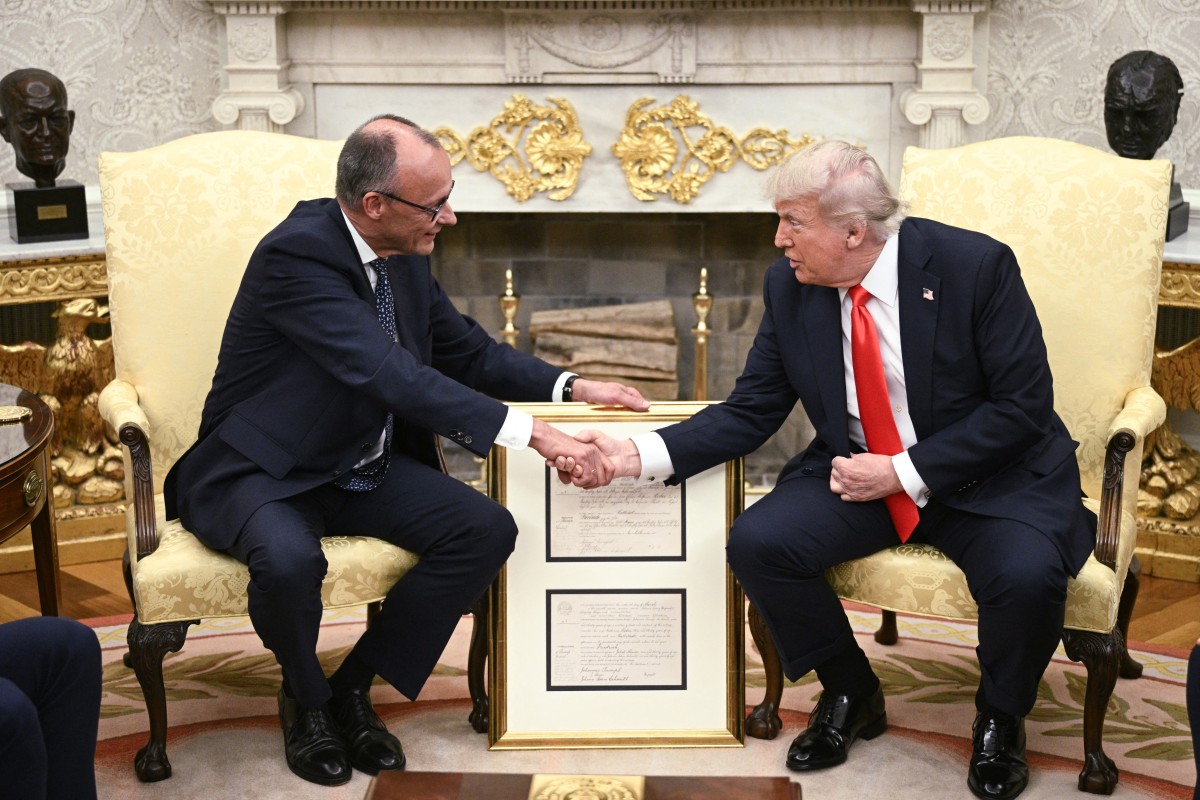
The way Merz has managed to build as stable a rapport as anyone can have with Donald Trump without making himself look like a lackey is impressive, and the fact that our neighbours have left their reaction to Germany's unilateral border checks at low-to-symbolic level is the result of good background work from the foreign office.
READ ALSO: How will Germany's extra border checks impact travel this summer?
We are managing to tread various razor-thin lines: crucially, on supporting the Ukraine without being unrealistic about what can be achieved, and on Israel and Gaza, where Germany – for obvious historical reasons – will always have a unique (and uniquely uncomfortable) position.
That we would continue to be a stable and, in the best sense of the word, predictable partner was not necessarily to be expected from someone as temperamental as Merz with his ‘Shut the borders!’ policy platform.
Unpredictable unpredictability: Parliamentary procedure and party politics
Another thing Merz stood for was strong leadership, profiling himself as a corporate-CEO-style man of action who keeps his party on a short leash and makes things happen.
And early on, Merz managed to get a government together in record time despite internal CDU/CSU misgivings and negotiated across the floor of the unexpectedly broad Bundestag to push his spending plans through. You could dislike the disciplinarian style, but still respect the results.
So it’s been quite a surprise to see just how quickly Merz’ authority has disintegrated – primarily due to disciplinary issues within his own CDU/CSU formation.
Within hours of his failed first election as Chancellor back in May, rumour had it that the SPD hadn’t been responsible for the missing votes, but malcontents within his own party. And since then, he and his chief whip Jens Spahn have proven inept at controlling the parliamentary party – most recently in the unedifying spectacle surrounding elections to the Constitutional Court.
Whatever anyone may have thought about Brosius-Gersdorf’s suitability as a judge, the real issue here was always that the CDU/CSU first agreed to nominate her and then failed to vote for her. This is a total breakdown in party discipline which has seriously damaged the coalition and, potentially, our democratic system as a whole – and it was, unlike some other things, in no way predictable 100 days ago.
What an exhausting three months! And, er, Captain, remember: it’s only August…
Comments