
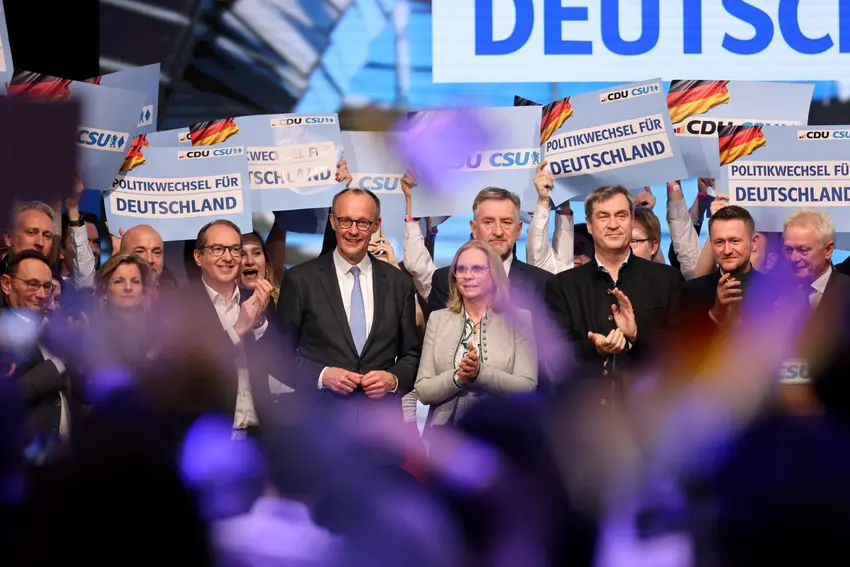
Germans had their say at the ballot box in the snap election.
The Christian Democratic Union (CDU) and its Bavarian allies, the CSU, came out on top with 28.5 percent of the vote, with CDU leader Friedrich Merz in a pole position to become the next German chancellor. The conservatives were followed by the far-right Alternative for Germany (AfD), with 20.8 percent, the Social Democrats (SPD) with 16.4 percent and the Greens with 11.6 percent.
Die Linke (The Left) followed with 8.7 percent, while the left-conservative BSW narrowly missed the five percent threshold needed to get into the Bundestag. The liberal FDP also won't be in the next parliament.
But the real work starts now.
With the rising cost of living, a slow economy, job losses, worries over migration and too much bureaucracy, people in Germany want change. That is shown by the large turnout - more than 83 percent of eligible voters made their voice heard, the highest number since 1987.
Then there is the rising support for the AfD, an anti-immigration party regularly monitored by Germany's domestic intelligence agency over suspected extremism, which is now the second strongest political force. The AfD doubled its share of voters compared to the 2021 election when it scored 10.3 percent.
READ ALSO: 'A fifth of voters hate me' - How do foreigners in Germany feel about far-right surge?
Just as pressing are the threats at the European and global level, with US President Donald Trump and his camp now seemingly backing Russia.
Is Merz - and the future government - up to the task?
Can Germany get a stable government together quickly?
The first challenge comes in trying to form a new German government, which Merz wants to achieve by mid-April at the latest.
Exploratory talks have started, with Merz pushing for a CDU/CSU and SPD alliance, a grand coalition or GroKo as it is nicknamed in German.
Even though the AfD had a strong showing, mainstream parties have a 'firewall' in place against working with the party due to its far-right policies, so they will not be included in coalition talks.
READ ALSO: What kind of coalition government should Germany expect after election?
Experts say the conservatives and SPD are under pressure.
Political scientist Kai Arzheimer, from the University of Mainz, told The Local: "The SPD is in a bad shape, but the CDU/CSU has done less well than they hoped for, and both parties have their back against the (fire)wall. Starting from that, I think and hope that they will focus on the stuff they can agree on and that gives both sides involved some wins.
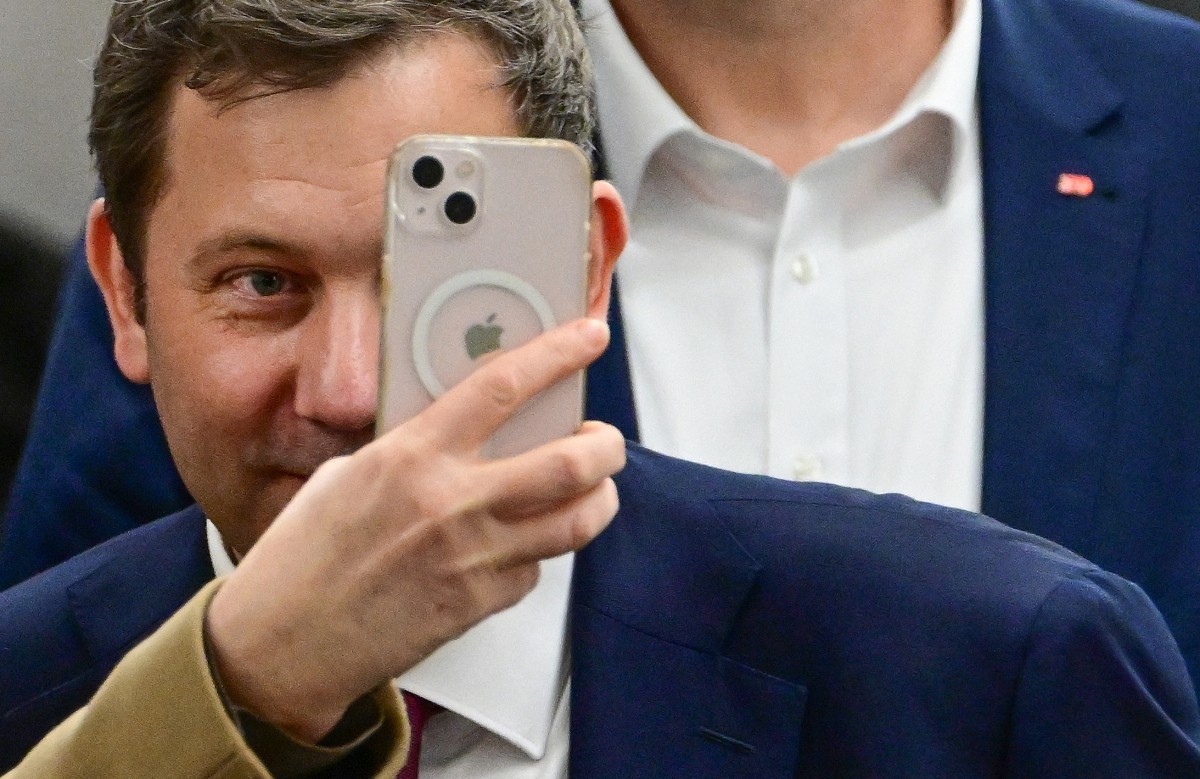
"My hunch is that this would include getting the economy back on track, sort out Germany and Europe's defence in a hostile environment, and getting immigration off the agenda by doing some symbolic tightening of asylum rules."
Benefits, debt brake and citizenship
Visiting Senior Fellow at the German Marshall Fund Markus Ziener said he believed politicians could act quickly to form a government. But a "wildcard" that may affect negotiations is whether the SPD membership would support a coalition agreement. He said the SPD faces an identity crisis while coming to terms with its dismal showing in the election.
"The SPD base is a little unpredictable, and you never know really what they're going to do," he said. "In the end, I feel like they have to agree to whatever proposal is on the table. But is the SPD going to lean in the future more leftwards or more moderate? This is something we can't really say."
Other sticking points could be the debt brake, which limits government borrowing.
"We know that the SPD is for abolishing the debt brake, and the CDU is a little torn on this subject," said Ziener.
READ ALSO: How Merz is grappling to boost defence spending
Bürgergeld, the long-term unemployment benefit brought in by the previous SPD-led government, is also in the firing line of the CDU/CSU.
"I think that will be difficult (for the SPD) to digest," said Ziener.
READ ALSO: Citizenship to Bürgergeld - the laws the CDU wants to scrap if it wins power
An important issue for foreigners in Germany is the rules around citizenship and immigration. Merz has repeatedly said he wants to dismantle the previous government's citizenship reform, including taking away dual citizenship for all those naturalising as German.
Arzheimer said the SPD may have some leverage to negotiate, but it isn't clear what issues they will fight for.
"I'm not sure how hard the SPD would fight to retain the current rules for citizenship, but the CDU/CSU must be aware that they cannot push too much, lest the SPD walks away from talks, which would leave us in uncharted territory," he said.
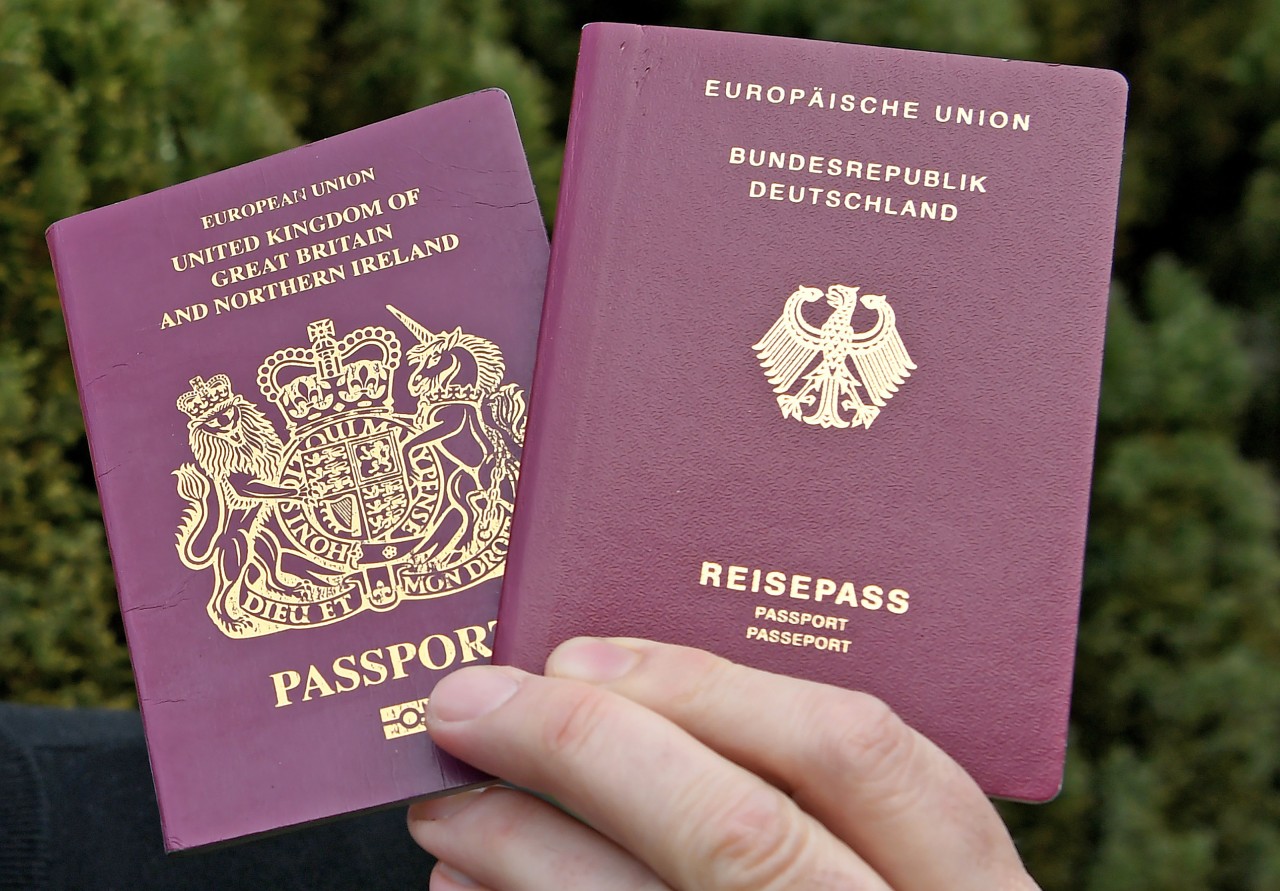
Ziener said he believes the parties will be able to meet in the middle regarding 'irregular migration' - but it's unclear on what would happen in the skilled immigration and citizenship debate.
READ ALSO: How the conservatives wants to gut Germany's citizenship reform
Can mainstream parties pull voters away from the far right?
Ziener pointed out that Germany is "lucky" to have the opportunity "to form a centrist government".
"This is the good news," he said. "But if in the coming four years this government is not able to solve a host of problems, then we will probably see a further rise of the AfD. And this is what I'm afraid of. I'm hopeful Friedrich Merz really understands what has to be done."
After the election, Merz acknowledged that mainstream parties have to answer the concerns of voters, calling the AfD's record result "the last warning to the political parties of the democratic centre in Germany".
Underlining the difficulties ahead, Ziener said: "It's a tall order for the new government, and it would be easy for the AfD to claim in four years time 'well, you see, they can't get things done, so you have to vote for us.'"
Cornelia Woll of the Hertie School Berlin, told AFP: "These are difficult starting conditions for a new German government, which is facing Herculean tasks in domestic and foreign policy."
"One might hope that Germany will nevertheless be able to act quickly, so that it does not just have to watch how Trump and Putin shape the future."
Comments