

In Germany's snap elections, the centre-right CDU/CSU alliance were on track to receive 28.8 percent of the vote, according to the latest prelimary results on Monday morning.
In contrast, the former 'traffic-light' coalition parties of the Social Democrats (SPD), Greens and FDP saw a collapse in support.
In Monday's exit polls, the SPD were on track to receive 16.4 percent of the vote and the Greens 11.6 percent, while the FDP missed the five-percent threshold to enter parliament on just 4.3 percent of the vote.
This is not the final result, but it does give us a picture of what we can expect.
READ ALSO: German conservatives lead election race as far-right AfD make gains, exit polls show
The conservatives first overtook the centre-left SPD way back in 2022 amid high living costs and the outbreak of war in Ukraine and have been topping the polls since then.
Now it looks certain that the so-called Union will emerge as the largest party in the federal elections. This means that any future coalition government will be headed up by the CDU and CSU, allowing them to enact many of their policies.
The exact shape of the next government will rely on coalition negotiations - and could definitely throw up some surprises. That said, here's what foreigners should be prepared for in the event of a CDU-led coalition.
What is the CDU promising voters?
In the campaign, the CDU/CSU have put two themes front and centre: migration and the economy. From a overhaul of tax and bureaucracy to a crackdown on illegal border crossings, here are the key policies foreigners should know about.
Strict migration policy
In the final weeks of campaigning, migration and illegal border crossings have become the key focus of CDU leader Friedrich Merz and his party. At the end of January, the centre-right party even relied on the votes of the far-right AfD to push through a motion aimed at clamping down on irregular migration.
This broke a long-held taboo in Germany and has sparked a wave of protests across the country.
Since then, the party has released an 'immediate action plan' of policies it wants to bring in immediately after taking power.
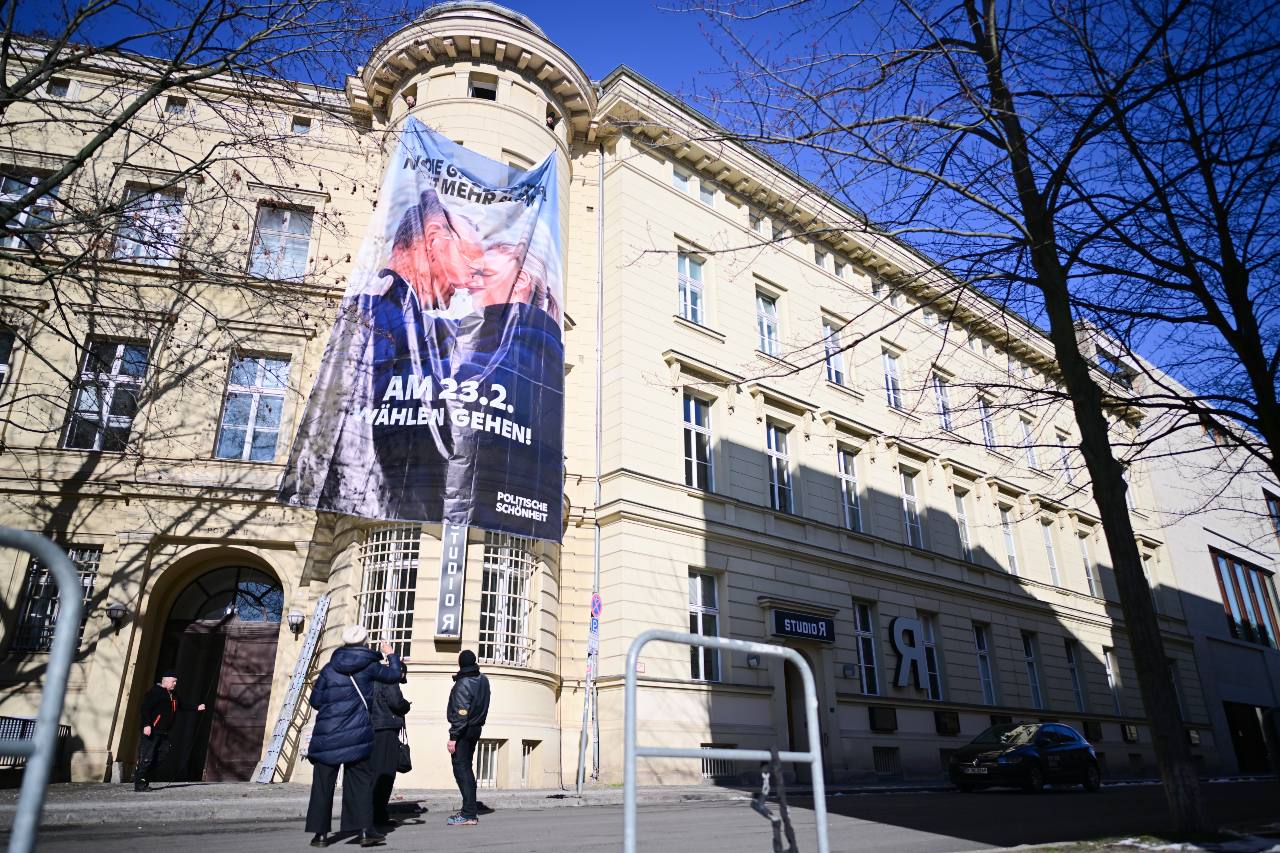
These include Merz's controversial five-point migration plan for permanent border controls, rejections at the borders, deportations to places like Syria and Afghanistan and detention centres for rejected migrants.
In addition, the party wants to boost police powers to detain undocumented migrants and restrict family reunions for rejected asylum seekers with stays of deportation, as well as cutting financial support to the bear minimum.
READ ALSO: What is the CDU's 'immediate' action plan that targets German citizenship law?
Revocation of citizenship law
According to the party's 'immediate action plan', the CDU wants to reverse the "express naturalisation" introduced by the traffic-light coalition as quickly as possible.
"The German passport is at the end of integration, not the beginning," the party states. This means that the three-year track for citizenship for naturalisation is set to be in the firing line, and the Union may also lift the five year residence requirement back up to eight.
There appears to be some disagreement on this between the two sister parties of the CDU and CSU, with the CDU remaining vague on the five-year requirement and the CSU setting out concrete plans to reset the years of residence to eight.
On dual nationality, however, both parties are unified: they "decisively reject" the general right to hold multiple passports and are committed to revoking it.
READ ALSO:
- What are Germany's leading political parties' plans for immigration and citizenship
- How the conservatives want to gut Germany's citizenship reform
Support for foreign skilled workers
Though the CDU and CSU have largely presented a migration-sceptic front, there is a mention of simplifying processes for skilled workers in the manifesto.
The parties say they want to establish dedicated "Work and Stay Agencies" to act as a one-stop-shop for qualified foreign workers. Here, everything from recruitment and job placement to issuing visas and residence permits would take place. Presumably, this would fast-track immigration processes for Blue Card holders and other skilled workers.
Sweeping tax reform
The Union say they want to relieve low- and middle-income earners through a reform of the tax system - though there aren't too many details about how this would work. According to an analysis by Campact on the party's plans, richest earners would benefit to the tune of around €13,250 per year from the policies set out in the manifesto, while someone on €20-30k per year would save just €63.
Under the conservatives, social contributions for things like health insurance and pensions would be reduced so that they don't amount to more than 40 percent of income (split between workers and their employers).

The centre-right parties also want to slash taxes on electricity, reduce gastronomy VAT to make eating out more affordable, and make overtime hours tax-free for full-time workers.
Instead of raising the pension age as they previously promised, the Union wants to encourage pension-age people to stay in work longer by allowing them to earn up to €2,000 per month completely tax free.
READ ALSO: The planned money and tax changes in Germany in 2025
Promoting growth and innovation
To pay for many of their policies, the CDU/CSU are setting their sights on ambitious GDP growth of two percent per year. The parties want to achieve this by slashing bureaucracy and red tape, cutting corporation tax below 25 percent, and investing heavily in research and development.
"We are presenting a high-tech agenda," the manifesto states. "Germany must become a centre of excellence and innovation for future technologies - from aerospace to quantum computing."
In addition, the party wants to set up a new digitalisation ministry to drive the modernisation of Germany forward.
Notably, the CDU/CSU wants to keep the statutory debt break - which caps new borrowing at 0.35 percent of GDP - in place. That would make it hard for a future government to invest in major infrastructure projects and green renewal.
Tough stance on welfare
As long-standing opponents of the traffic-light's welfare reforms, the conservatives want to get rid of the Bürgergeld unemployment benefit and replace it with a much tougher system.
In particular, the CDU/CSU say they want to get rid of benefits entirely for those who are unwilling to work.
"Those who don't work but can work will no longer receive Bürgergeld in the future," Merz said in a recent televised Q&A.
Uncertain future for the Deutschlandticket
Germany's nationwide travel pass doesn't receive a single mention in the Union's 82-page manifesto, but comments from senior CDU politicians give us some clues on what to expect.
Recently, CDU budget spokesperson Christian Haase told Politico that the ticket could no longer be financed beyond 2025, indicating that the Deutschlandticket could be scrapped under the party's plans.

Merz has been similarly non-committal, stating that the survival of the ticket depends on its affordability for the state.
Instead, the parties have spoken about increasing tax relief for commuters - the so-called Pendlerpauschale - which largely benefits motorists in rural regions.
READ ALSO: Will Germany's 'Deutschlandticket' survive after the elections?
Tackling the housing crisis
One of the major issues facing Germany is the lack of affordable housing - an issue that appears to be getting worse in the major cities.
To help solve this crisis, the CDU/CSU primarily want to cut regulations to make it quicker and cheaper for developers to build more homes. "More cheaper construction will ensure more favourable rents," the manifesto states.
However, the parties have little to say on rent controls and are likely to scrap the Mietpreisbremse - which mandates how high landlords can raise rents - when it expires at the end of the year.
READ ALSO: How German parties plan to tackle high rents and affordable homes
Policies for families
The Union wants to offer significant tax cuts aimed at married couples and families, including a higher tax-free allowance for parents and larger limits for tax-deductable childcare costs.
Ehegattensplitting, which allows couples with varying incomes to save money by pooling their tax rate, will be kept in place. Critics of this tax say it encourages one partner - usually the woman - to stay at home while their partner works.
In terms of policies for new parents, the manifesto is relatively vague: the parties set they want to "improve" parental leave and ensure more childcare places are available. There is no mention of the Vaterschaftsurlaub, which would encourage men to take more time off after the birth of their child.
READ ALSO:
- The German election party pledges that families should know about
- Fuel, deportations and billionaires - How true were claims made at German election TV debate?
Who are their potential coalition partners?
Despite their current polling successes, the CDU/CSU alliance is still well below the threshold they would need for an absolute majority in parliament.
This means they would need to work with at least one other party in order to enter government. Since the centre-right parties have ruled out a coalition with the far-right AfD, just two parties are realistically in the running to be a primary coalition partner: the SPD and the Greens. Let's look at those both in turn.
Social Democrats
Depending on the final results the centre-left SPD could be the only party the Union would be able to form a two-party coalition with after the elections. This is far from an unusual formation: in fact, there were three so-called Grand Coalitions between the CDU/CSU and SPD during Chancellor Angela Merkel's 16-year tenure.
In the election campaign, both CDU leader Merz and CSU leader Markus Söder have been open about their preference for working with the SPD. With Olaf Scholz's SPD toughening up their line on illegal migration recently, this could be an area where the parties can align.
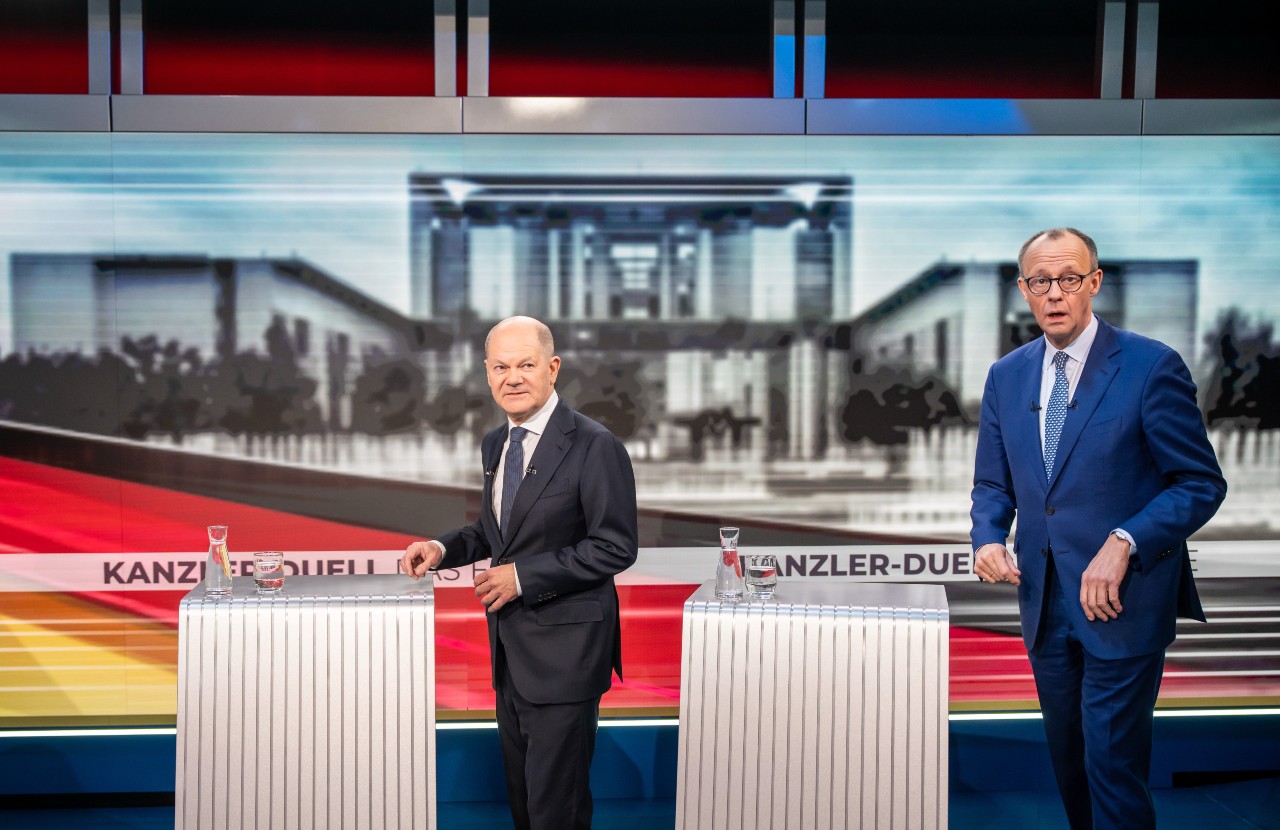
However, there are likely to be several sticking points in any potential coalition negotiations - not least in social policies. For example, the SPD would be highly reluctant to scrap its flagship Bürgergeld reform and would be unlikely to support a reduction in rental and worker protections.
READ ALSO: OPINION - With Merz in charge, foreigners in Germany can expect volatile months ahead
In addition, the SPD is desperate to reform the debt brake in order to support infrastructure spending. It has also been a huge proponent of more liberal citizenship rules, spearheading the landmark dual nationality reform that was passed last June. All of these facts would make for rather tense coalition negotiations.
Greens
The CDU/CSU and Greens may not gain enough seats to form a coalition government after the elections. Nevertheless, a small uptick in support for either party or the additional of another party could make this formation possible.
Such a pairing would face some pretty significant hurdles from the start, however - not least the fact that the CSU's Markus Söder has ruled out any cooperation with the Greens. That said, Merz has said he would like to have the "strategic" option of working with the eco-friendly party.
When it comes to broad policies like cutting red tape, relieving low and middle earners and digitalising the economy, Robert Habeck's Green Party are likely to find some common ground with the CDU. However, the Union's lack of commitment to climate protections and support for the auto industry could be a major sticking point.
The Greens are also in favour of far more liberal immigration policies and were big advocates of the Deutschlandticket. These two policies alone would be bound to put the centre-right and centre-left parties on a collision course during talks.
READ ALSO: Which coalition governments are most likely after Germany's election?
Comments