

The opposition Christian Democrats - led by Friedrich Merz - may have a healthy poll lead ahead of German elections on February 23rd, but the CDU isn't likely to end up being the only party in government.
That's because Germany has a proportional representation system, meaning that parties are allocated seats roughly proportional to their share of the vote.
Only one absolute majority has ever occurred in Germany - in the early 1960s. Every other time, winning parties have had to govern with at least one coalition partner. 2025 is likely to be no different. Following a question from a reader of The Local, we look at what options are on the table.
READ ALSO: What foreigners in Germany should know about the voting system
Germany's two likely coalitions
With polls as they are right now, the CDU will almost certainly win the election - with Merz putting himself forth as Chancellor.
Although he leads Germany's centre-right conservative party, Merz will realistically have to govern in a coalition with a centre-left party - either Olaf Scholz's Social Democrats, or the Greens.
The reason for this comes down to two things - the numbers and the so-called 'firewall' against governing with the far-right in German politics.
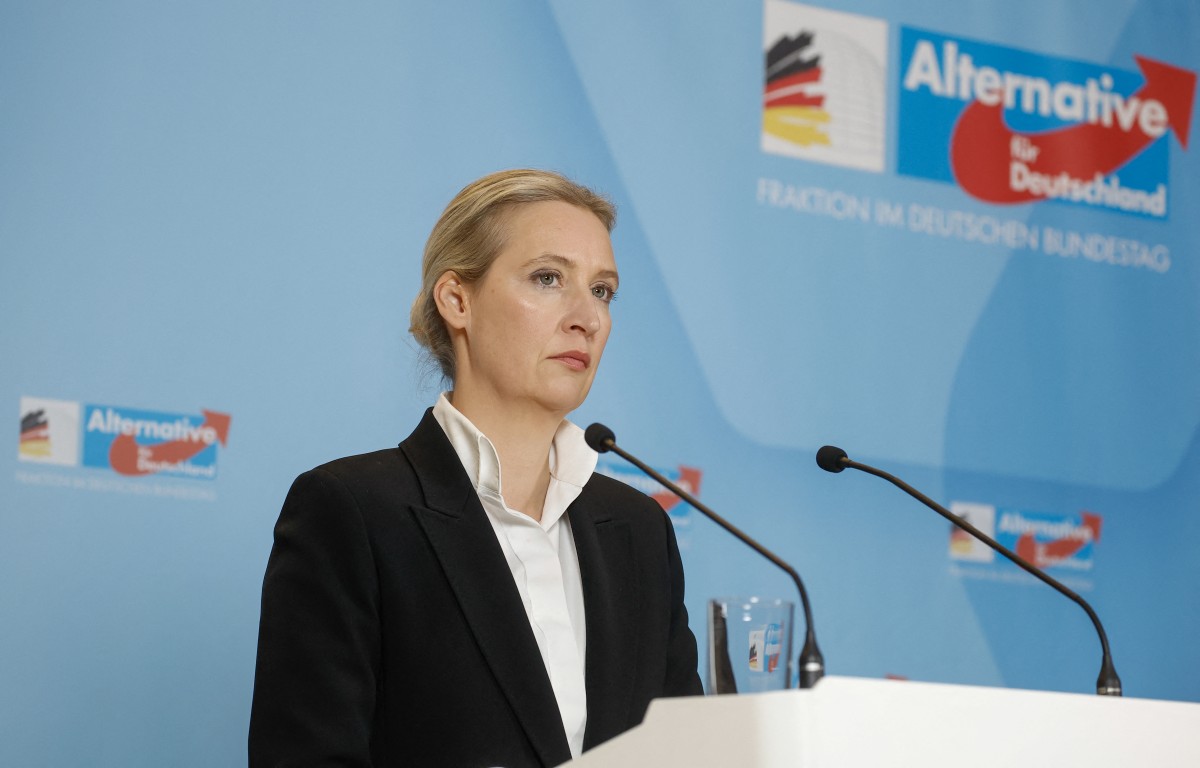
On simple numbers, the next German Bundestag could well have only four parties represented in it. This is because of the five-percent threshold - which requires parties to get at least five percent of the vote OR win three constituency seats directly.
Under polls right now, the liberal Free Democrats, far left Die Linke, and the far-left/conservative leaning BSW could all end up failing to make the cut for seats in parliament - unless they win three constituency seats directly. No other smaller party is likely to get enough votes to attain seats.
Meanwhile, although a CDU motion passed the Bundestag last week with backing from the far-right Alternative for Germany (AfD) - a formal coalition between the CDU and AfD remains highly unlikely - even if a CDU-AfD coalition would be mathematically possible.
This is because the CDU's own party constitution forbids it from governing in coalition with the AfD and the Linke. Political scientists also tell The Local that such a move would likely split the CDU.
Although an FDP that performs unexpectedly well could complicate some coalition options, due to both poll numbers and the far-right firewall - a coalition between the CDU and either the SPD or Greens are the most probable election outcomes.
READ ALSO: Friedrich Merz - the German conservative gunning to become next chancellor
Another 'grand' coalition? What would it mean?
A CDU-led 'grand' coalition involving Germany's two big parties - the CDU and the SPD - has well-worn precedent. Three out of previous Chancellor Angela Merkel's four governments were a so-called 'Groko', or Große Koalition, and saw the CDU become increasingly a centrist party rather than a strongly conservative one.
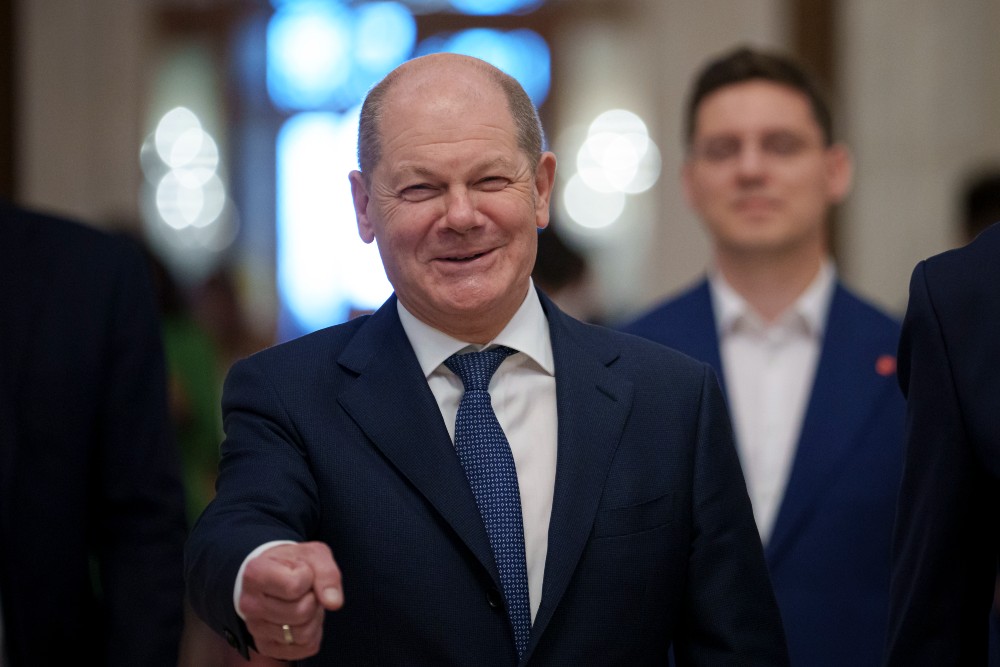
Following the 2023 election, the CDU is likely to be the senior partner in any coalition. They would also be in a significantly stronger negotiating position, given that the CDU can go into government with either the SPD or the Greens but neither junior party could go into government without the CDU.
The SPD would likely put the brakes on any attempts to repeal its recently passed citizenship reform law - which includes allowing dual citizenship.
However, it has signalled that it may be more open than the Greens to agreeing to some of the CDU's migration reforms - particularly on asylum and speedier deportations.
It does recommit itself to its own skilled immigration reform, and pushes for asylum seekers to be able to switch into a skilled immigration permit.
READ ALSO: Which Social Democrat campaign pledges should foreigners in Germany know about?
What would a Black-Green coalition look like?
A coalition between the CDU and the Greens would likely see a fair amount of common ground on foreign policy - such as raising defence spending and supporting Ukraine.
However, there would be many other clashes as the Greens have signalled more resistance to reforming asylum law than the SPD has - a core CDU priority.
The Greens are also likely to push back on any attempt to repeal dual citizenship, just as the SPD will. The same is likely true of skilled immigration reform.
The Greens are more likely than the SPD to back reforming the country's constitutional debt brake in order to stimulate the economy - something the CDU is likely to push back on.
READ ALSO: What a failed CDU motion tells us about the future of dual citizenship in Germany
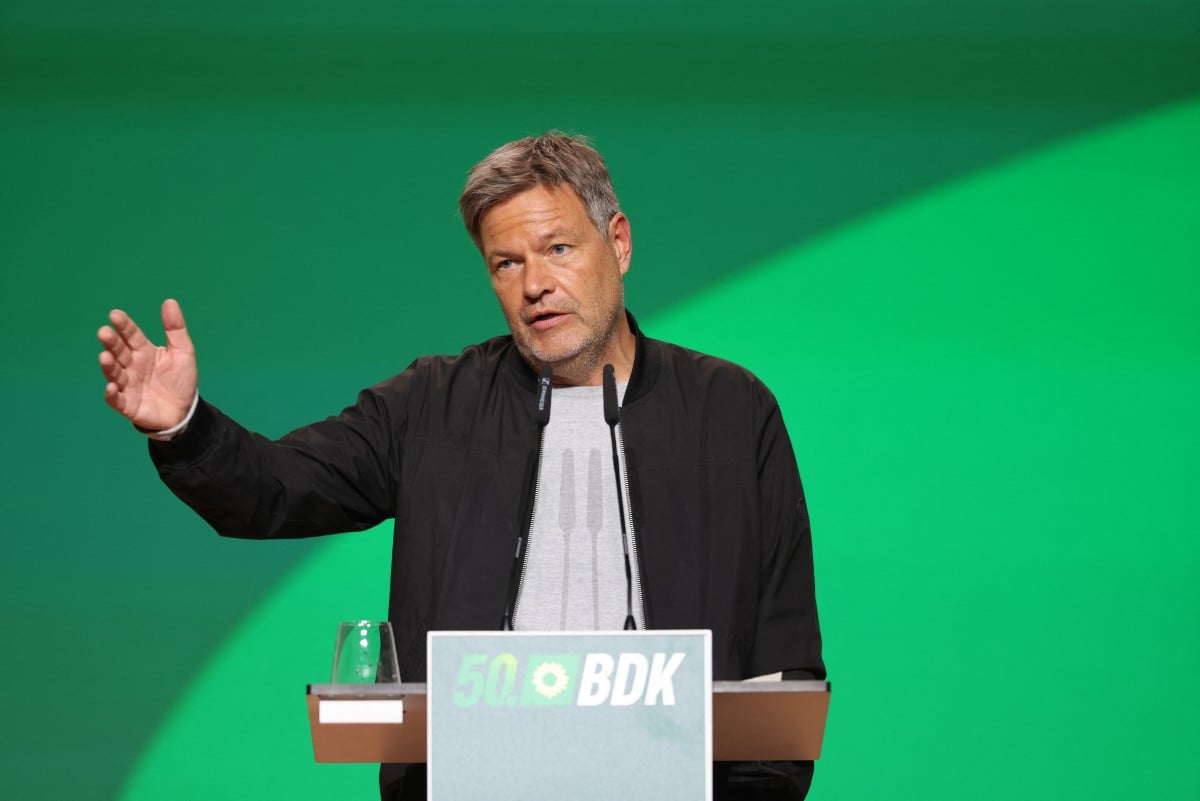
There has never been a CDU-Green coalition at the federal level.
However, there have been some at the state level in Germany before - including in Hamburg, Hesse, Baden-Württemberg, North Rhine-Westphalia, and Schleswig-Holstein. The last three of these states are currently governed in Black-Green coalitions.
READ ALSO: The Green party pledges foreigners in Germany should know about
Comments