
After the breakdown of Germany's so-called traffic light coalition government, there is an air of uncertainty in Germany.
The FDP stormed out of the coalition in November, leaving the Social Democrats (SPD) and Greens in a minority government.
Snap elections are planned for February 23rd, but the government has been keen to pass some laws before then.
Earlier in December, MPs managed to drum up enough support for some laws concerning tax which the conservatives threatened to block.
Here's a look at the planned changes you can expect in 2025.
Tax changes and social security contributions
German parliament - and the Bundesrat - have now approved a number of tax relief measures. Among them is a higher basic tax-free allowance aimed at stopping inflation eating up wage increases. From January 2025, the tax-free allowance is planned to rise by €312 to €12,096. In 2026 it will rise again to €12,348.
Meanwhile, child benefit (Kindergeld) will be adjusted in 2025, with parents receiving €255 per month per child from January 1st. It is planned to go up by a further €4 to €259 in 2026.The Kinderzuschlag, or the child supplement allowance - an extra benefit for low-income families, will go up from €20 to €25 per month.
The tax allowance for parents - Kinderfreibetrag - will be increased by €60 to €6,672 in January. In 2026, it will rise by a further €156 to €6,828. According to calculations by the Green party, these measures will reduce the burden on a family with two children and an income of €60,000 by €306 next year.
While some people could see slight relief with these measures, experts have warned that many households - particularly those without children - will still face significant financial pressure next year.
READ ALSO: How Germany's planned tax plans will affect you
Minimum wage and mini-job threshold to be raised
The minimum wage - already passed by the government - will be raised from €12.41 to €12.82 gross per hour from January 1st 2025.
In some sectors, however, there are binding minimum wages that are already higher than the general statutory minimum wage.
For 'mini-jobbers', the earnings threshold limit will rise from €538 per month to €556. The annual earnings limit will increase accordingly to €6,672.
Germany introduced mini-jobs as a way for employers to get part-time workers more easily, and for those same workers to enjoy the flexible working arrangements part-time work can sometimes offer, with certain exemptions from tax.
These adjustments are intended to improve workers' income, but could also lead to higher costs for services, as companies often pass on the increased labour costs to customers.
Public transport costs
The cost of the nationwide public transport pass - the Deutschlandticket - will rise from €49 to €58 from January. For commuters, this means additional costs that need to be factored into their budget.
Some tickets for other train journeys from Deutsche Bahn will also increase. After the timetable change on December 15th ticket prices were raised particularly on 'Flex fares'. Commuter season tickets and the BahnCard 100 prices will also go up.
READ ALSO:
- What to know about Germany's long-distance train service changes
- What we know so far about the Deutschlandticket's price hike
CO2 tax and driving changes
A significant change at the turn of the year is the planned increase in the CO2 tax, which aims to help Germany achieve climate targets, from €45 to €50 per tonne. This will have an impact on the price of petrol, oil and gas, driving up heating and travel costs.
Drivers will also have to prepare for rising car insurance premiums, which could increase by up to 20 percent.
Meanwhile, drivers with an orange-coloured TÜV car inspection sticker will also have to pay for their general inspection in 2025 - which will be more expensive. Those who pass will receive a blue sticker.
Changes in electricity levies
From 2025, electricity levies will increase by an average of 1.3 cents per kilowatt hour to a total of 3.15 cents per kilowatt hour. For an average family with a consumption of 3,000 kilowatt hours per year, this could mean additional annual costs of around €40. These measures are intended to promote the switch to renewable energies.
However, some people will see costs go down. The benefits will be felt by around 10 million households in less populated and rural areas of Germany, including many parts of Bavaria, as well as the north and east of Germany
READ ALSO: Where electricity prices are expected to drop in Germany in 2025
This changes are due to grid utilisation. Regions where a lot of renewable electricity is produced have been disproportionately burdened by high distribution grid fees in the past. The increasing levies are intended to distribute the costs for the expansion of renewable energies more fairly across the country.
Letter postage and shipping costs hike
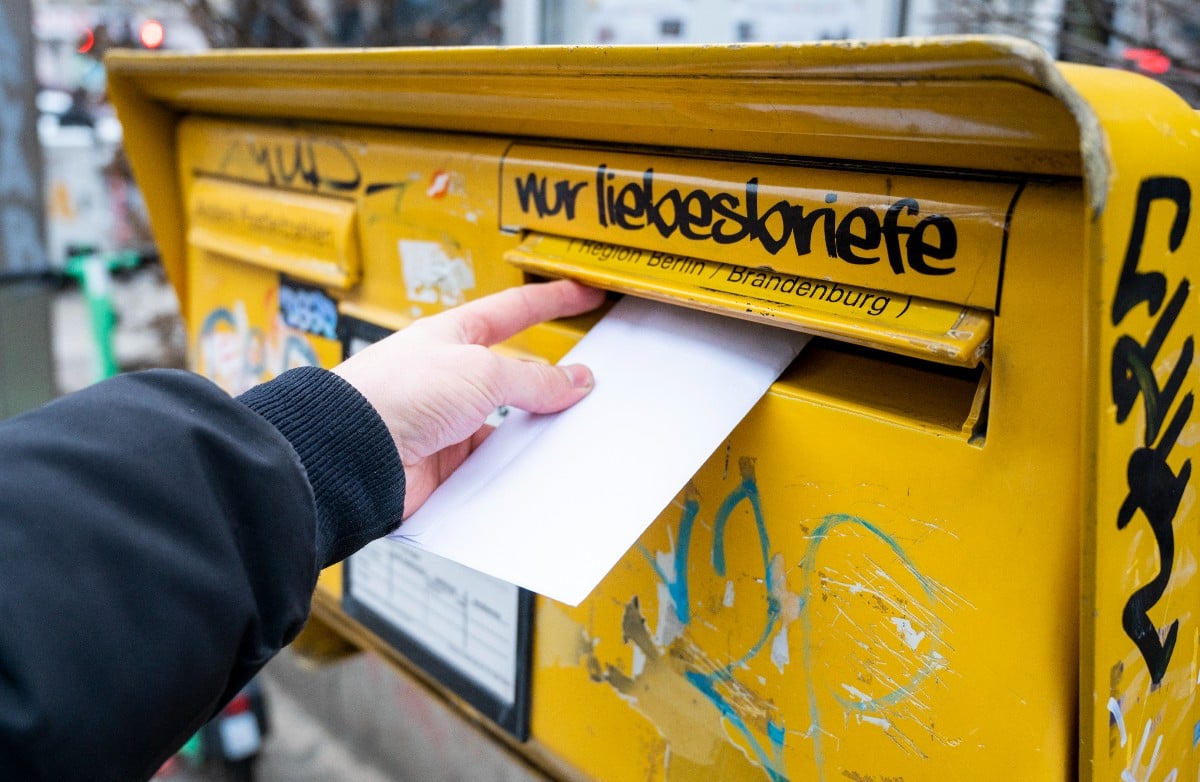
It will get more expensive at the post office in future. Standard letters, which cost 85 cents to post, are to cost 95 cents from January 1st. In addition, the delivery time will be extended so that letters will take three days to arrive. Postcards, which currently cost 70 cents to post, will be 95 cents. There are also increased costs for parcel delivery.
Health and care insurance changes
From January 1st 2025, the long-term care insurance contribution is set to go up by 0.2 percentage points. The contribution rate will therefore be an average of 3.6 percent of people's salaries. For those without children, the contribution rate increases to 4.2 percent. Families with children pay less, ranging from 3.6 percent for one child to 2.6 percent for five or more children.
The majority of people in Germany are insured through statutory health insurance. From the start of 2025, additional contributions for public health insurance - which can be levied on top of the general contribution rate of 14.6 percent - are allowed to be increased by by 0.8 percent to 2.5 percent. Health insurers themselves decide whether to raise the additional contribution and, if so, by how much.
Comments