

The conservative parties, made up of the Christian Democratic Union (CDU) and its Bavarian sister party, the Christian Social Union (CSU), are leading the election race, with around 28.5-29 percent of the vote, initial results published by German public broadcasters showed.
The CDU/CSU was followed by the far-right Alternative for Germany (AfD) with 19.5-20 percent of the vote, according to initial projections. The Social Democrats (SPD) were shown to have 16-16.5 percent of the vote, with the Greens getting 12-13.5 percent. The far-left Die Linke managed 8.5-9 percent of the vote, exit polls suggest.
The pro-business Free Democrats (FDP) were close to the five percent threshold needed to make it into German parliament with 4.9 percent, while the left-conservative Bündnis Sahra Wagenknecht (BSW) received 4.7 percent, according to initial projections.
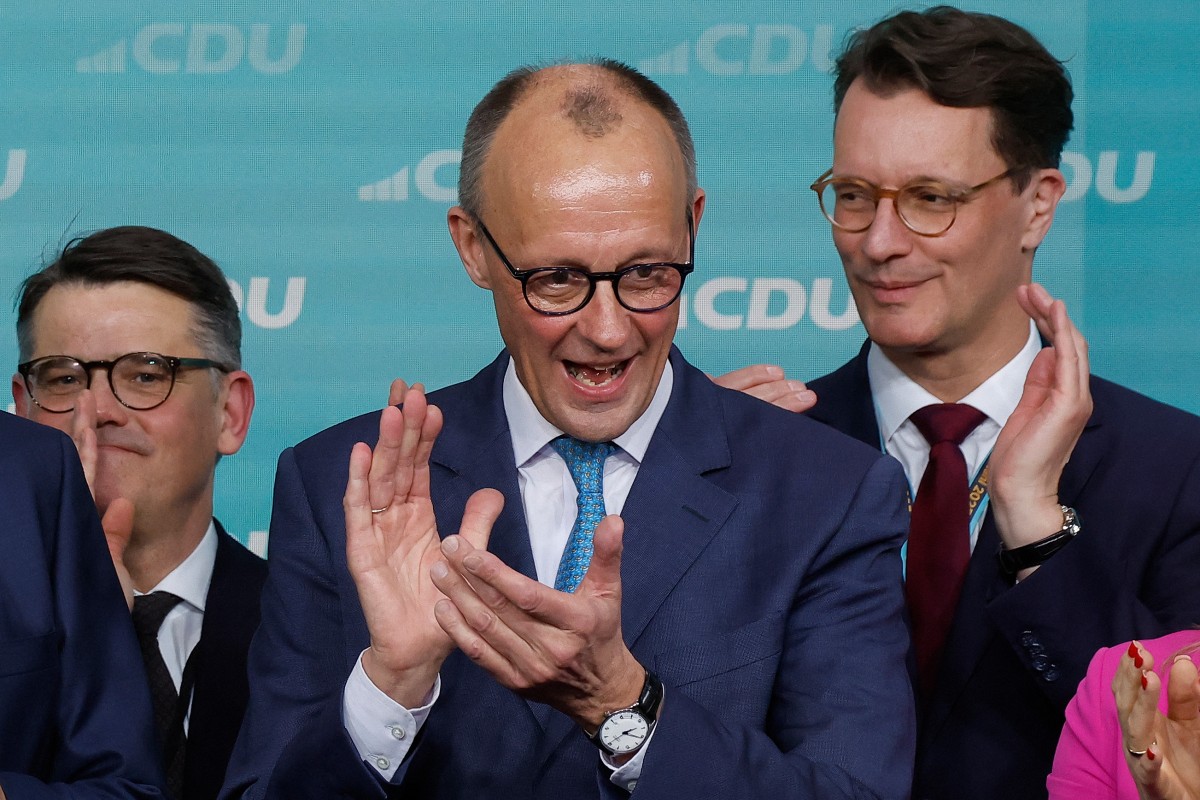
Speaking to supporters after the exit polls were released, CDU leader and conservative chancellor candidate Friedrich Merz declared a victory. "We have won the election," he said.
Merz said he would push to form a new government quickly. "The world out there is not waiting for us and it is not waiting for lengthy coalition talks and negotiations," he said.
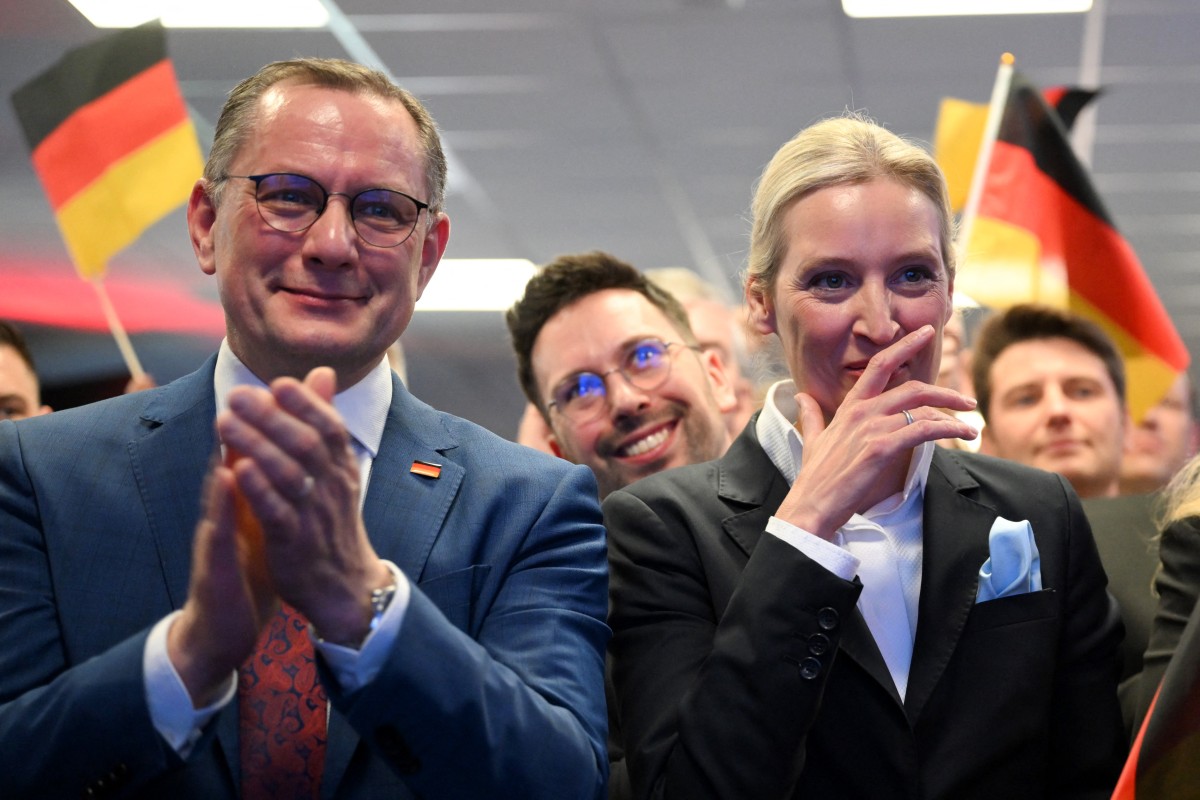
The exit polls suggest the AfD, which has seen backing from US President Donald Trump's close ally, Elon Musk, has made historic gains. In the 2021 election, the AfD had 10.3 percent of the vote.
However, it is highly unlikely that the AfD will get into a coalition government because mainstream parties have a 'firewall' against working with them.
READ ALSO: How would a strong AfD election result impact foreigners in Germany
More than 59 million Germans were eligible to vote on Sunday, with an estimated turnout of around 84 percent.
The estimates are based on exit polls released throughout the evening.The initial results provide a picture of what we can expect and are usually accurate. However, the final result will not be available until Monday or the following days.
It comes after a turbulent election campaign that has seen a debate over immigration rules reach boiling point amid a number of high profile attacks involving migrants.
CDU leader Merz before the vote vowed a tough shift to the right to win back voters from the AfD, and has also taken aim at the dual citizenship reform put in place by the previous 'traffic light' government led by the SPD.
READ ALSO: Tax to citizenship - What should foreigners in Germany expect from a CDU-led government?
What happens next?
After the final confirmation of results, expect a wait before Germany forms a new government.
Once the dust settles, exploratory coalition talks can begin, leading to formal negotiations.
It's expected that the CDU/CSU will arrange talks with the Social Democrats and the Greens.
The next German leader - and government - face a tricky road ahead with troubles looming at home and abroad.
Germany's economy has been spluttering, with job losses plaguing the auto industry. Meanwhile, residents are unhappy with the rising cost of living and spiralling rents.
READ ALSO: What happens next in Germany after conservative election win?
The security of Germany and Europe amid Russia's war on Ukraine, along with the unpredictability of the United States will also be keeping the next government busy.
READ ALSO: How the US is turning away from its ally Germany
Germany's political crisis was sparked when Scholz's unhappy coalition collapsed on November 6th, the day Trump was re-elected.
It came after months of bickering between Olaf Scholz's SPD, the Greens and the pro-business Free Democrats (FDP).
Comments