
What's happening?
The centre-right CDU/CSU alliance was on course to receive around 28.5 percent of the vote, exit polls showed Monday morning, making them the strongest force, and well ahead of the centre-left Social Democrats (SPD) of the outgoing chancellor, Olaf Scholz, which looks set to achieve around 16.4 percent.
The far-right Alternative for Germany (AfD) is set to come second with around 20.8 percent of the vote - doubling their result from 2021 when the party achieved around 10 percent.
Initial projections showed the Greens getting around 11.6 percent, and the far-left Die Linke achieving around 8.8 percent. The pro-business FDP and the left-conservative BSW were unable to clear the five percent hurdle to make it into the Bundestag.
READ ALSO: Conservatives win German election as far-right AfD surges, exit polls show
Who are the winners - and losers?
The final results are usually confirmed in the days following the election.
But right now we have a good picture - and it shows the conservatives clearly in the lead.
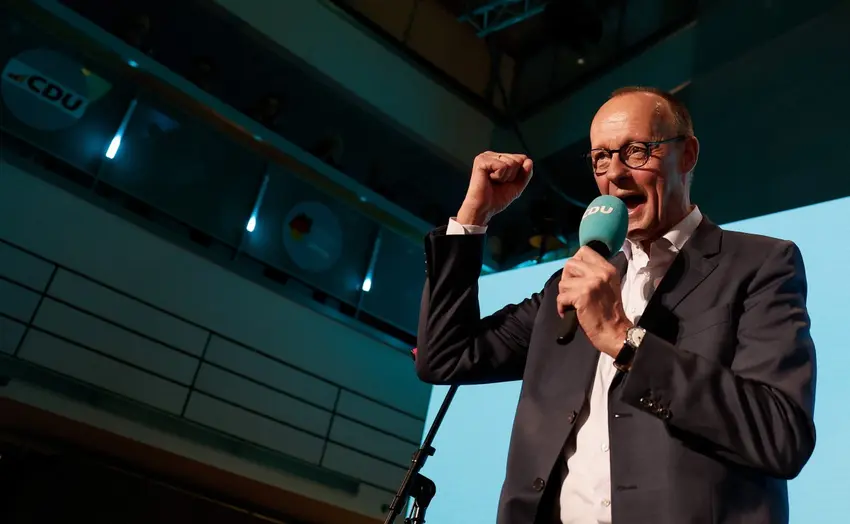
CDU leader and conservative chancellor candidate Friedrich Merz declared victory at the CDU headquarters in Berlin, saying: "We have won the election."
Meanwhile, the leader of the far-right Alternative for Germany (AfD), Alice Weidel, hailed the party's best-ever national election result.
READ ALSO: Friedrich Merz - conservative set to become Germany's next chancellor
"We have achieved a historic result," Weidel told jubilant supporters at the AfD's election night party in Berlin, adding that the anti-immigration party was now "firmly anchored" in the political landscape and had "never been so strong on a national level".
Chancellor Olaf Scholz, of the Social Democrats, conceded his defeat, saying it was a "bitter election result".
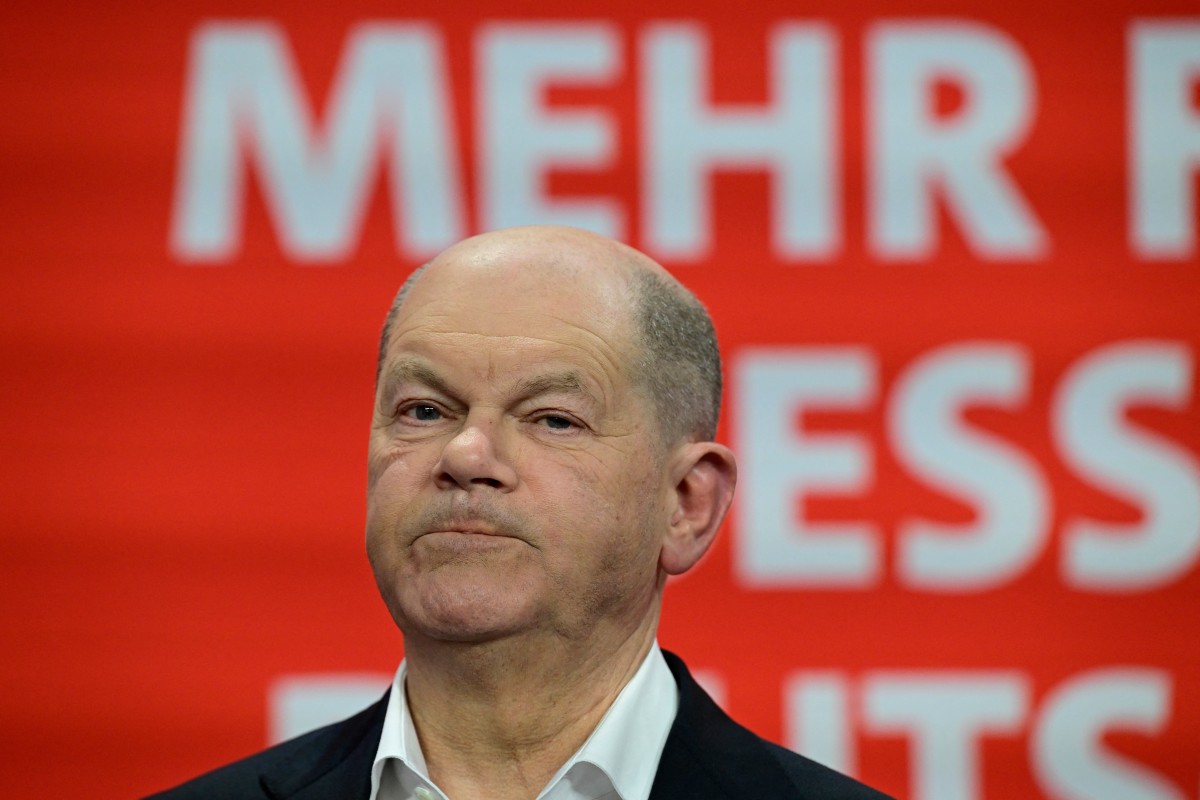
The SPD - Germany's traditional workers' party - is on course to achieve its worst result in the history of Germany's post-war democracy. In the 2021 election, the SPD gained around 25 percent of the vote.
SPD leader Lars Klingbeil said there would be major changes in the party
"This result will require upheavals in the SPD," he said, adding that a "generational change in the SPD must be initiated".
The Greens' lead candidate Robert Habeck said his party's result was "respectable", adding: "I am proud of what we have achieved."
He blamed the slight drop in percentage points - the Greens won 14.8 percent in 2021 - on Friedrich Merz's controversial move to pass a conservative motion through the Bundestag with the help of the far-right AfD. This led to some calls from centre-left party supporters to rule out working with the CDU.
Habeck said: "I couldn't promise that."
The Left party (Die Linke) will be celebrating after a solid result nationwide - and particularly in the capital Berlin where it was on course to become the strongest party. In Neukölln, Ferat Koçak is set to become the first Left party candidate to win a former West German constituency.
Meanwhile, FDP leader Christian Lindner later on Sunday evening said he would step down as leader if his party does not reach the five percent threshold to get into German parliament.
Earlier, Lindner said he did not regret his role in breaking up the previous 'traffic light' government made up of the SPD, Greens and FDP.
The coalition fell apart on November 6th last year after months of bickering, leading to these snap elections.
"Today, Germany elected a new parliament because we Free Democrats wanted to give our country a new start," Lindner said.
"We are paying a high price for this even today, but it was the right decision for Germany," he added.
Meanwhile BSW party leaders Sahra Wagenknecht and Amira Mohamed Ali emphasised that the party has a future.
Failure to enter the Bundestag would be a defeat, said Wagenknecht, "but not the end of the BSW".
What happens next?
Despite many hangovers, politicians will be keen to get busy on Monday.
Merz urged his supporters to celebrate into the night but added: "From tomorrow, we'll get down to work."
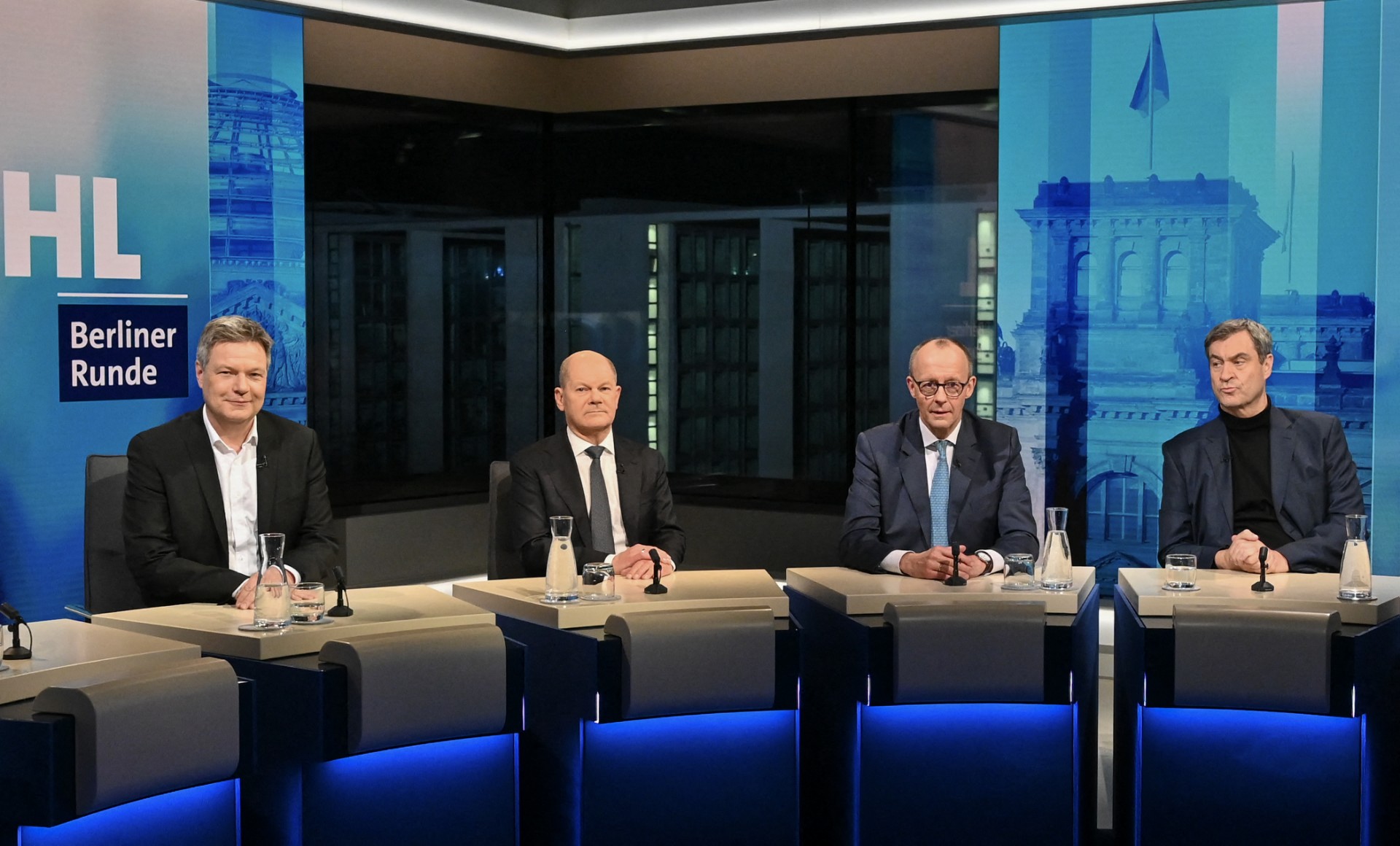
As well as thanking his CDU and CSU colleagues, Merz promised to get a German coalition government together "as quickly as possible".
"The world out there is not waiting for us and it is not waiting for lengthy coalition talks and negotiations," said Merz, who is now in pole position to become Germany's next chancellor.
He said it was important for Germany to be "strong and present in Europe" and for the world to see that "Germany has a reliable government in place".
READ ALSO: Tax to citizenship - What should foreigners in Germany expect from a CDU-led government?
The election came amid upheaval in US-Europe ties sparked by Donald Trump going over the heads of European leaders to make a direct outreach to Russian President Vladimir Putin to end the three-year-old Ukraine war.
"After Donald Trump's statements in the last week it is clear that the Americans are largely indifferent to the fate of Europe," Merz said in a post-election TV debate.
He said his "absolute priority will be to strengthen Europe as quickly as possible so that, step by step, we can really achieve independence from the USA" in defence matters.
To build a majority, Merz is expected to reach out first to the SPD. To gain enough seats, Merz may also reach out to the Greens although the CDU's Bavarian sister party the CSU has so far rejected this.
Before the election, Merz said he wanted to get a coalition in place by Easter, which falls in mid-April.
For now, the SPD's Scholz will stay in charge as caretaker until a new government takes shape.
READ ALSO: German vote winner Merz faces tough talks to build government
Merz - a long-time party rival of ex-chancellor Angela Merkel - has vowed a crackdown on so-called 'irregular' immigration as soon as he takes office. He hopes moving further to the right can win back support from the AfD and halt its rise.
Experts are already looking ahead to the federal election of 2029, with fears the AfD could keep gaining more votes.
"The stakes could not be higher", political analyst and author Michael Broening, who serves on the SPD's Basic Values commission, told news agency AFP.
"Germany's mainstream parties have consistently failed to convince voters to reject the far right, and this election could be their last chance to turn the tide."
Democratic forces must find solutions to the country's problems, he added. "If Germany's 'establishment' parties fail to deliver this time, they may not be the establishment for much longer".
With reporting from AFP

Comments (2)