
What's happening?
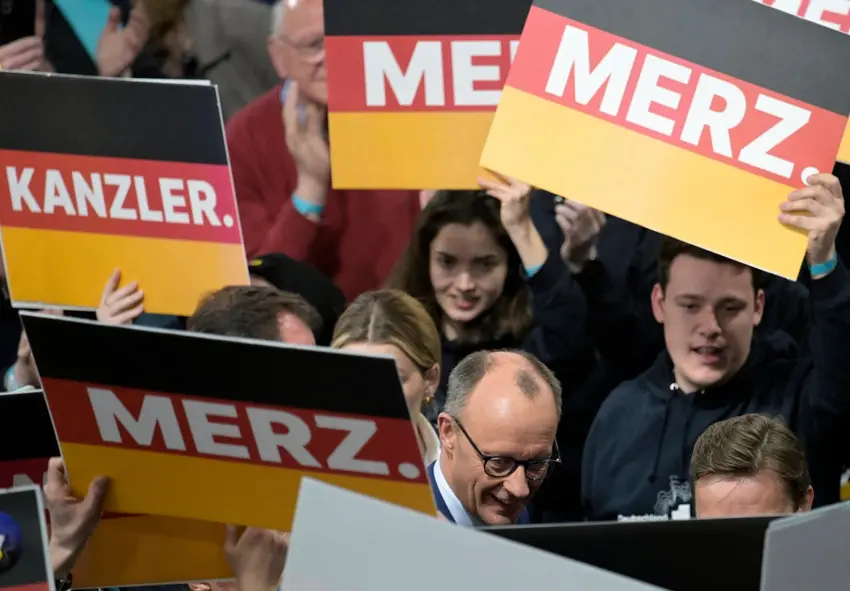
Germany is holding snap federal elections after the breakdown of the previous 'traffic light' coalition government in November 2024.
Germans will go to the polls on Sunday February 23rd to cast their ballot. The elections are taking place seven months earlier than the original scheduled date in September 2025.
READ ALSO: Inside Germany - poll surprises, election TikTok and the benefits of immigration
Who won the last election?
Elections to the German Bundestag (parliament) are generally held every four years. The last election took place on September 26th 2021, with the centre-left Social Democrats (SPD) winning the most votes (around 25 percent), followed by the centre-right Christian Democrats and Christian Social Union (around 24 percent), the Greens (around 14.8 percent), the Free Democrats (around 11.5 percent) and the far-right Alternative for Germany (around 10.3 percent).
The SPD, Greens and the FDP formed a coalition after the vote, with Olaf Scholz of the SPD getting elected as chancellor in December 2021. It marked the end of former chancellor Angela Merkel's (CDU) 16 years in office.
Who can vote on Sunday?
To vote in Germany's federal elections, you need to be a German citizen aged 18 years or over on election day. Although the voting age was reduced to 16 for the last European elections in Germany, it has not been lowered for the Bundestag vote.
You also need to have been resident in Germany for at least three months of your life after you turned 14. German citizens who leave Germany retain their right to vote in federal elections for 25 years.
And you need to be on the electoral register.
Around 59.2 million Germans will be eligible to vote on February 23rd this year (out of a total population of about 84 million), according to estimates from the Federal Statistical Office.
Around 10 million foreign nationals who live in Germany and are over the age of 18 will not be able to vote because they don't have German citizenship.
READ ALSO:
- How new German citizens can vote in upcoming German election
- When do I need to have my German citizenship in order to vote in the election?
- Why around 10 million people in Germany can't vote in the election
What will happen on voting day?
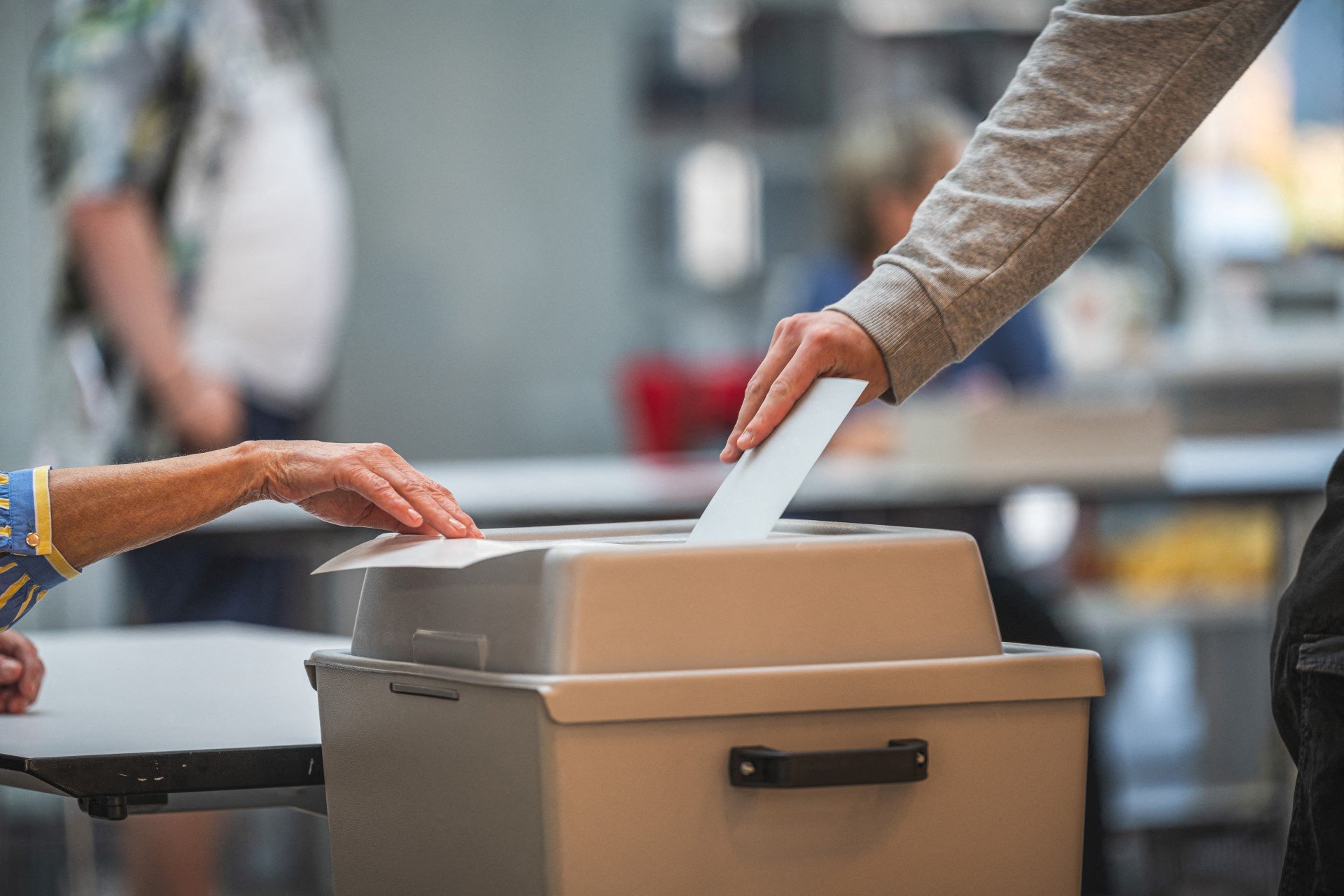
Polling stations (Wahllokale) in Germany open at 8am and close at 6pm on Sunday. They are located throughout communities in easy walking distance, such as in schools, care homes or other public facilities.
If you're eligible to vote, you should have received a registration confirmation (Wahlbenachrichtigung), by post. It will contain instructions on how to vote by mail (as many people will have cast a postal vote) and where to vote in person.
Remember and leave plenty of time to carry out your vote. There can often be queues at various times of the day so be prepared to wait.
Voters in Germany get two votes on the ballot - you pick a specific candidate for your local constituency in the first vote, and for the second, you vote for a party.
READ ALSO:
The first exit polls will be released after the polling stations close at 6pm.
Then you can expect polls to be updated throughout the night and into the following morning. The final result is usually known the following day or days, though exit polls tend to be quite accurate.
What do I need to know about political parties?
Even if you are not eligible to vote, it is worth getting familiar with party policies.
And The Local has you covered. We have plenty of election explainers and answers to reader questions that you can find by visiting the German elections section of our site.
Here's a small selection of stories we've covered recently on party plans:
- What are Germany's leading political parties' plans for immigration and citizenship
- How do Germany's leading political parties plan to fix the economy and boost jobs?
- The German election party pledges that families should know about
- What German election party pledges mean for your finances
- Tax to citizenship - what should foreigners in Germany expect from a CDU-led government
- Which Social Democrat pledges should foreigners in Germany know about?
- The Green party pledges foreigners in Germany should know about
- How German parties plan to tackle high rents and affordable homes
- How German parties want to end soaring social contributions
- How would a strong AfD election result impact foreigners in Germany?
If you are able to vote and still haven't decided, you could check out the Wahl-O-Mat, an online tool that can help people see which parties they best allgn with.
Do you have another question you'd like us to try and answer? Let us know in this survey which we check regularly, leave a comment or email us: news@thelocal.de.
Who is going to win?
Nobody knows for certain but polls are pointing to the CDU/CSU (known as the Union) getting the most votes. They have been consistently polling at around 29-30 percent, followed by the AfD (20-21 percent), Social Democrats (16-17 percent) and Greens (12-14 percent).
That puts the Union in a strong position to lead negotiations to form a future coalition government, with the SPD or Greens as likely partners.
The conservative bloc's chancellor candidate (and CDU leader) Friedrich Merz is likely to become Germany's next chancellor.
READ ALSO: Friedrich Merz, the conservative gunning to become Germany's next chancellor
How long will it take for Germany to form a new government?
Don't expect things to be wrapped up quickly. It will take weeks and possibly months for parties to carry out negotiations and (hopefully) form a new government.
But given the shaky global political situation, especially with Donald Trump behaving erratically in the White House, plus Germany's own economic troubles, political leaders are keen to push for stability.
Frontrunner Merz says he is aiming for an Easter deadline and has urged parties to prepare for quick talks. Good Friday falls on April 18th this year.
"If we spend weeks, possibly months, possibly with party conferences and even member surveys then the period in which this country is without a majority capable of governing will be too long for me," Merz said in recent Politico interview.
The longest wait for a new German government came in 2017, when it took Angela Merkel's conservatives some six months to forge a GroKo with the SPD.
How can I follow German election news in English?
Keep up to date by checking The Local Germany's website at thelocal.de (or our app) throughout voting day, and specifically our German elections tag.
If you download the app, which is available for Apple and Android phones, you can receive all the major breaking news in Germany by turning on your notifications via the "User" button.
We will continue to provide important news updates and analysis in the coming days and weeks.
Comments