
If you’re a freshly naturalised German citizen, it's understandable if you aren’t sure which party to vote for in the coming national election.
Even long-time German voters have been known to express overwhelm about electing parties to the Bundestag – after all, there are at least 29 of them in the running.
For this reason Federal and State Centres for Civic Education in Germany have created the Wahl-O-Mat, an online interactive tool that offers guidance to voters about which parties could be aligned with their interests.
READ ALSO: What are Germany's leading political parties' immigration and citizenship plans?
Whether you’re an amateur expert on German politics, or can’t be bothered to learn what all those three letter abbreviations mean (CDU, SPD, FDP, AfD, BSW etc.), it’s worth taking a look at the Wahl-O-Mat. You might just be surprised to learn which parties best reflect your views.
What is the Wahl-O-Mat?
Wahl is the German word for ‘choice’, and within the context of elections it means ‘vote’. So the Wahl-O-Mat is a Vote-O-Mat, or an automatic voting guide.
The Wahl-O-Mat was introduced by the Federal Centre for Political Education (bpb) in 2002, and since then it’s regularly updated and made available for national, state and European elections in Germany.
Ahead of national snap elections on February 23rd, the Wahl-O-Mat 2025 has been made available online on February 6th. (You can find it here.)
How does it work?
Using the Wahl-O-Mat is as easy as taking an online quiz.
You’ll be presented with a thesis, which could be something like “Germany should continue to support Ukraine militarily” or “Germany should continue to promote the recruitment of skilled workers from abroad”.
You can choose ‘agree’ (stimme zu), ‘neutral’ or ‘disagree’ (stimme nicht zu) for each thesis; or you can skip it.
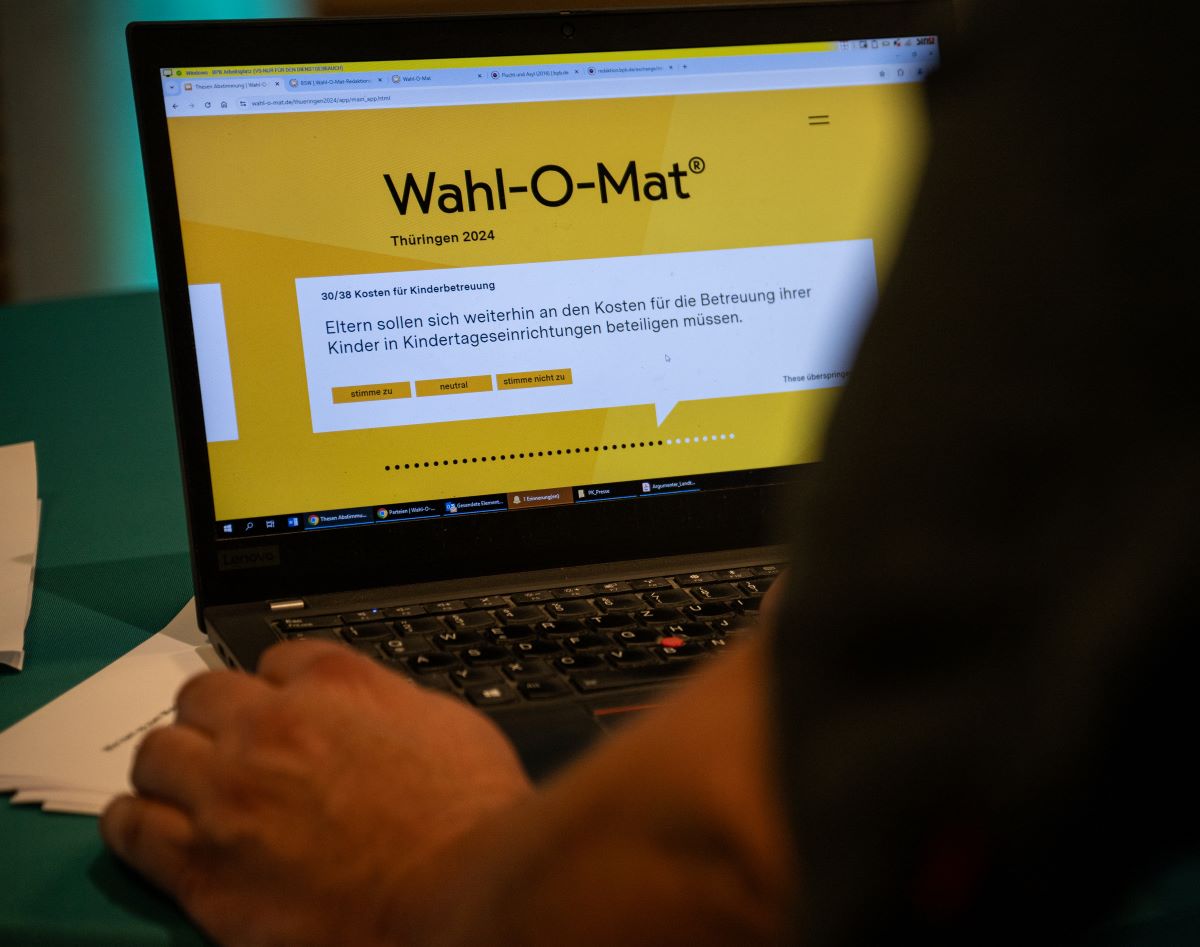
If a particular issue is more important to you, you can emphasise it by assigning it heavier weighting.
After you’ve marked your opinion on 38 theses, you’ll see your results. Parties are scored on their agreement with your answers: when you and a party agree on a thesis they get two points, when you are neutral and they agree they get one point, and when you and the party disagree they get no points.
READ ALSO: Which Social Democrat campaign pledges should foreigners in Germany know about?
Based on their scores, you can see which parties have higher or lower agreement with you.
Note that the Wahl-O-Mat is a German-language tool, but you can effectively use it in English with any browser that translates websites.
Other resources for informing your vote
The Wahl-O-Mat is intended to offer voters’ a general idea about which parties are aligned with their interests, and it’s generally understood to do a pretty good job.
But it has also been criticised – in part because distilling complex topics into simple theses to agree/disagree with doesn’t always do justice to how parties work on issues.
READ ALSO: What foreigners in Germany should know about the voting system
There are some alternatives to the Wahl-O-Mat to be found. For example, the Real-O-Mat which operates in a similar way but suggests that its based on how parties have voted in the Bundestag (as opposed to what they say in their campaigns).
In addition to using tools like the Wahl-O-Mat, you may also want to do some reading about the parties or issues you’re interested in.
For starters, The Local has compiled reports on the campaign platforms of the conservative CDU/CSU parties, the Social Democrats (SPD), the Greens, the Alternative for Germany (AfD) and the Left party.
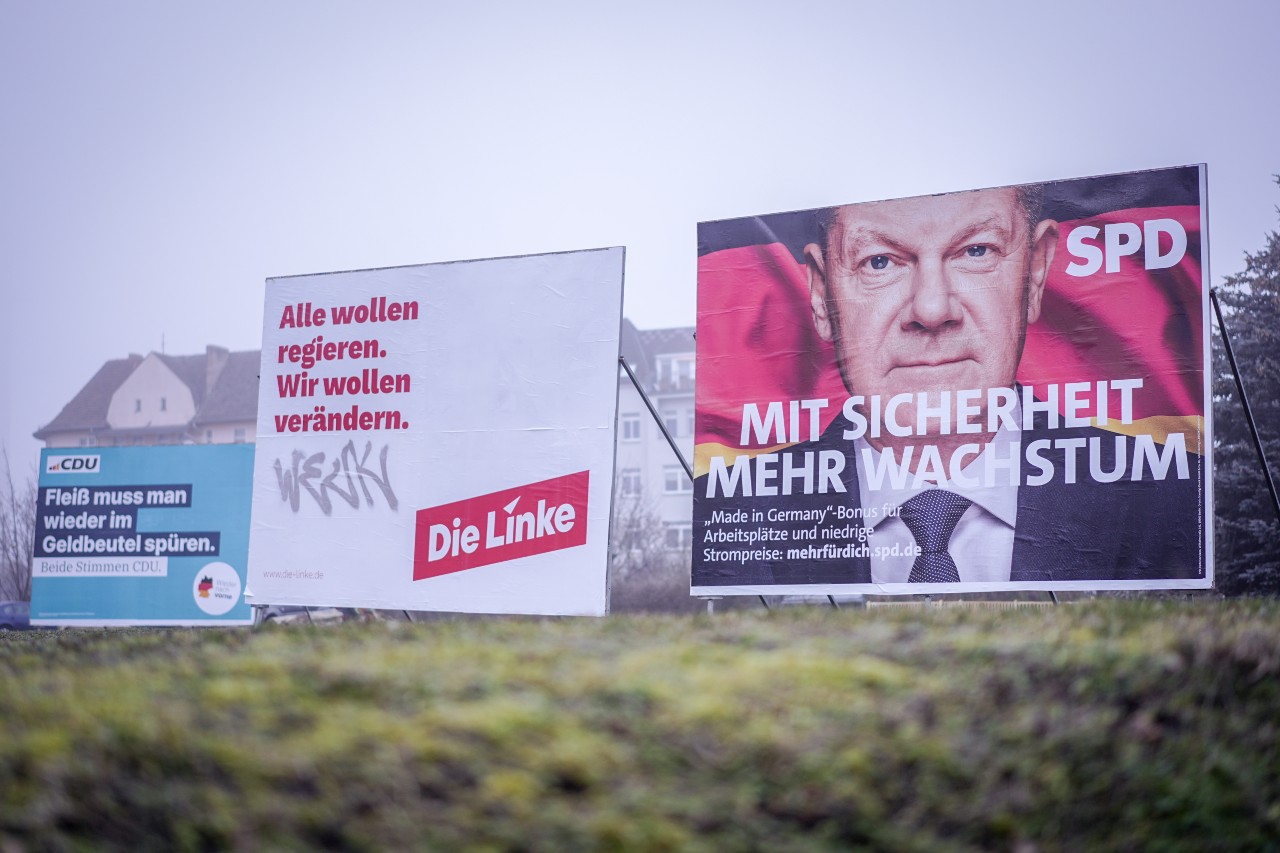
And we’ve taken a look at how these parties plan to address certain issues like rent and housing, immigration and citizenship and the economy and jobs.
You can find all of our pre-election coverage here.
One last resource that could be good to be aware of is the results page of the last Bundestag election in 2021. For the informed voters who want to be strategic, you can find the results from your state to get a sense of which parties got the most support four years ago versus which failed to make it to the Bundestag.
This could be helpful, for example, if you’re interested in voting for a minority party and want to check which has the best chance of getting five percent or winning a mandate.
Comments