

Inside Germany is our weekly look at some of the news, talking points and gossip in Germany that you might've missed. It’s published each Saturday and members can receive it directly to their inbox by going to their newsletter preferences or adding their email to the sign-up box in this article.
The German Bundestag is back in session this week, marking the end of the country's peak vacation period and what we in the news media industry know as the summer lull, or the Saure-Gurken-Zeit. And wow did the news hit the ground running!
Just this week the cabinet approved an update to the country's military service law and the Food and Agricultural Minister pitched the idea of creating a national ravioli reserve - with the aim of keeping us all fed in the event of a national emergency.
And then, as if cued by Germany's efforts to ramp up its defences, Russian drones were shot down in Poland, triggering a meeting of NATO allies including German leaders.
READ ALSO: Taxes to immigration - The major challenges Germany faces this autumn
We also saw an investigation into fake language and integration certificates make the headlines, and in a Berlin neighbourhood thousands of homes were without power for days following a fire that was suspected to be an intentional act of sabotage.
Hitting the brakes on progress
Another big event was the IAA Mobility motor show, which is among the world's largest automobile-focused trade fairs, and has been hosted in Munich since 2021.
Germany's largest automakers rolled out their latest and greatest tech, including a number of new affordable electric vehicles (EVs) by the Volkswagen Group that are set to hit the German market next year.
But ironically (or maybe its better to say predictably) news around the event was largely dominated by calls from Chancellor Friedrich Merz and Bavarian Prime Minister Markus Söder for Europe to dial back its electric mobility ambitions.
While Merz tip-toed around the topic, suggesting that Germany is "of course committed to the transition to e-mobility," the ultimate message was clear: let's not be too quick to get our cars off fossil fuels.
In his typically brash style, Söder said the same much more bluntly. "This combustion engine ban is wrong," he said, managing to elicit some harsh criticism in the process for comparing Germany without a car industry to a woman without a womb.
The primary target of these statements was EU Commission President Ursula von der Leyen who was also invited to join the car summit on Friday, and who is positioned to have the greatest direct influence over Europe's e-mobility goals. The current goal being that from 2035 onwards all new cars sold in Europe must be zero-emission vehicles (or EVs, in effect).
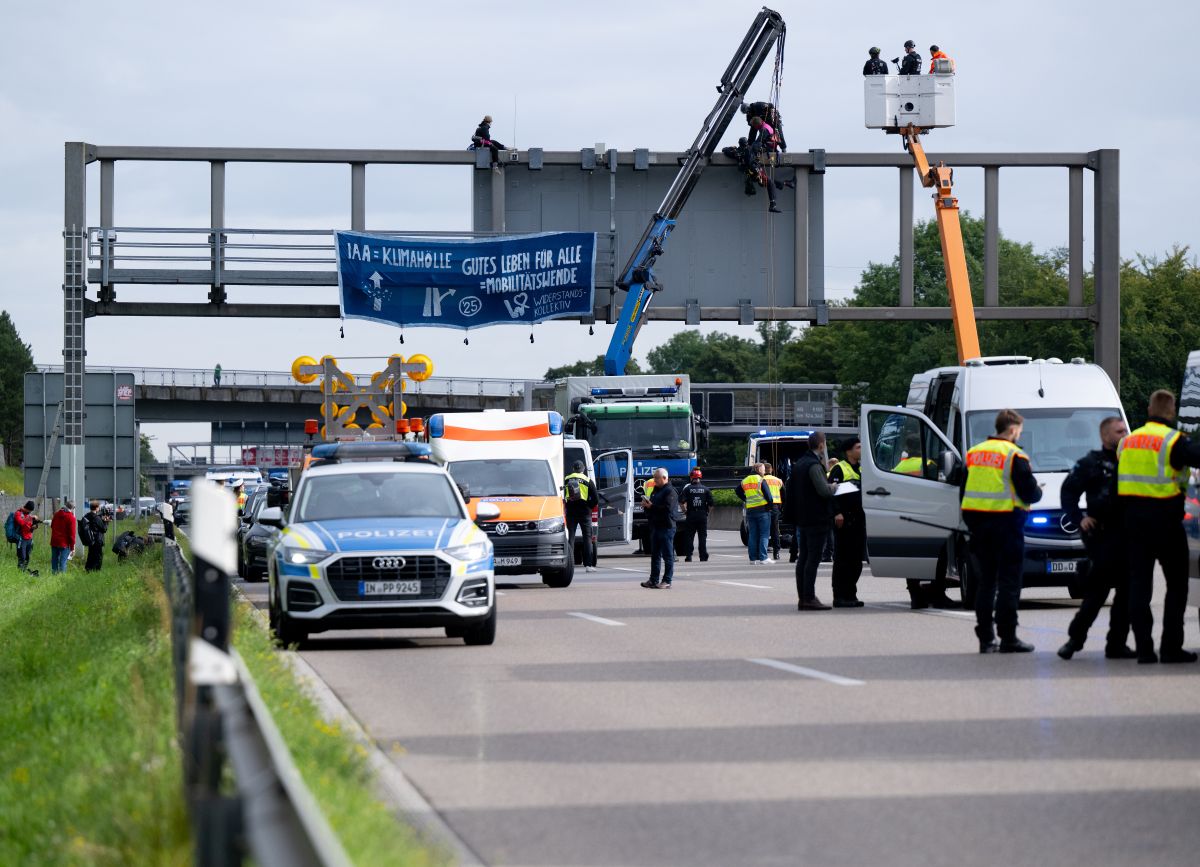
One might think that embracing the new era of electric mobility would be a win-win all around. Embracing the EU targets would allow Germany's conservative-led government to gain some points with eco-conscious voters, and investments in that direction would ultimately improve the German car industry's competitiveness.
Instead the German car industry appears to be stuck in a doom loop, in which industry leaders continue to dig in their heels against transitioning while continuing to fall further and further behind foreign competitors (namely Chinese brands) that look poised to dominate the auto market very soon.
To say Germany has stalled on the e-mobility transition is putting it mildly. Only about 15 percent of cars on the German roads are electric. But there is clear consumer interest - in 2023, just over half of new cars sold were EVs. Of course that pales in comparison to countries like Norway, where nearly 90 percent of new cars sold last year were fully electric.
The difference being that Norway has maintained strong incentives for EV drivers (in the form of tax advantages, reduced tolls and more) for many years. Germany, in comparison, introduced similar incentives only briefly before scrapping them at the end of 2023.
Where is this?
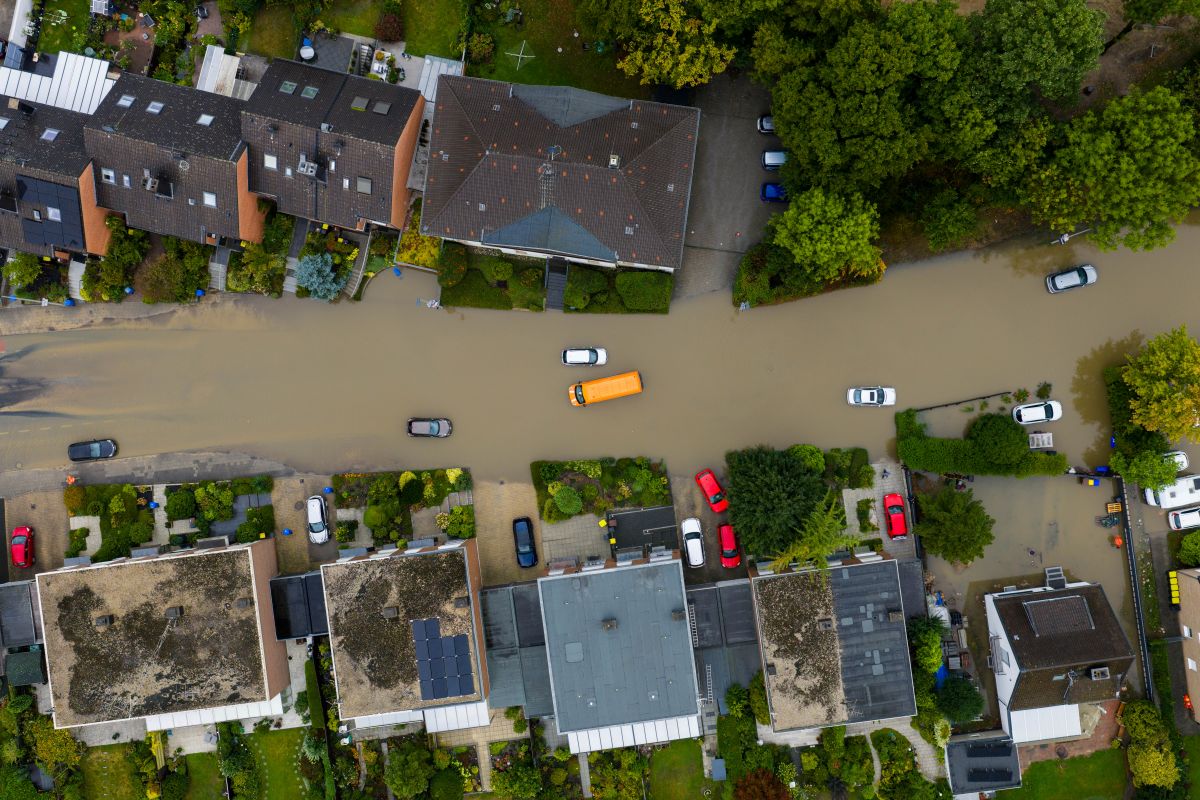
Heavy rain over parts of western Germany brought flooding to some cities earlier this week.
Emergency response workers reported responding to numerous calls about flooded cellars and streets, and in a few instances people needed to be rescued from cars that were stuck in high water or from flooded apartments.
Fortunately the storm was not as severe as that seen in the same region four years ago, which triggered deadly floods.
The above photo was taken in the city of Mönchengladbach, which experienced some of the wettest weather on this occasion.
What are the kids reading?
Representation is important: its not uncommon to hear such arguments applied to movies or tv content, but what about the literature being taught in schools?
A report published by German public broadcaster DW this week highlighted the fact that while about a quarter of the German population have an immigrant background, the vast majority of books on nationwide reading lists for high schools were written by Germans - white, male Germans more specifically.
Most of us can relate to yawning through some of the classics when we really wanted to be reading anything that felt a bit closer to our own experiences. So imagine how hard it must be to sell young minds on German literature when so many fail to see their own perspectives represented in the books they're told to read.
Interestingly, despite mobile phone addiction and shortened attention spans, there is evidence that plenty of young people still enjoy reading a good old fashioned book. Yes, even on Tiktok there are spaces where users go to talk about books and encourage more reading.
Perhaps a solid step toward improving Germany's PISA scores could start with simply adjusting old reading lists with an eye toward representing the current student body.
READ ALSO: What do children actually learn at school in Germany?
That said, for those of us who are interested in becoming a bit more integrated with German culture, reading some of those classic German works (in the original language, or translated) can help. And if you aren't sure where to begin, The Local put together this list of some solid recommendations to begin with.
Comments