
Why do I need to know Saure-Gurken-Zeit?
Because surely everyone is interested in learning a word that translates to 'sour-pickle-time'.
What does it mean?
Perhaps you've noticed it in your German neighbourhood already - local restaurants and cafes are no longer putting their chairs and tables out. Shops don't have their lights on. And if you look closer, you'll see why. They're on holiday.
That's right, it is das Sommerloch period in Germany, which is also fantastically known as die Saure-Gurken-Zeit. (It sounds like this by the way).
So Sommerloch, which sounds like this, does what it says on the tin - it's the "summer hole" period. This is a time when cities empty out, people head on vacation and businesses shut. Even politicians take a break.
In English, we'd call this "silly season". It refers to the weeks when you start seeing quirkier stories on the news as journalists struggle to find hard-hitting exclusives. The idea of silly season or even a "slow season" has changed in recent years, though, with the 24-hour news cycle.
With the world on high alert, there's always something to write about, and German politicians seem to never be fully on holiday when they have a budget to debate or controversial welfare cuts to propose.
READ ALSO: 8 ways to enjoy summer like a German
But Saure-Gurken-Zeit (which is sometimes written without dashes) is an even more fun German word to use to describe this time. Because why on earth are we talking about pickles?
Well, firstly, because everyone knows that Germans love their gherkins. The humble Gurke is available in most German restaurants in some form or another.
As well as describing the "summer hole" period, the word can also be used to refer to the height of summer.
Where does it come from?
The term Saure-Gurken-Zeit first appeared in the 18th century, although where it originates from is disputed. According to one theory, it goes back to the fact that food used to be pickled in order to preserve it for longer.
So people would pickle vegetables around this time to ensure that food was available in the winter. The "pickle period" back then was a time when people had to do without many comforts.
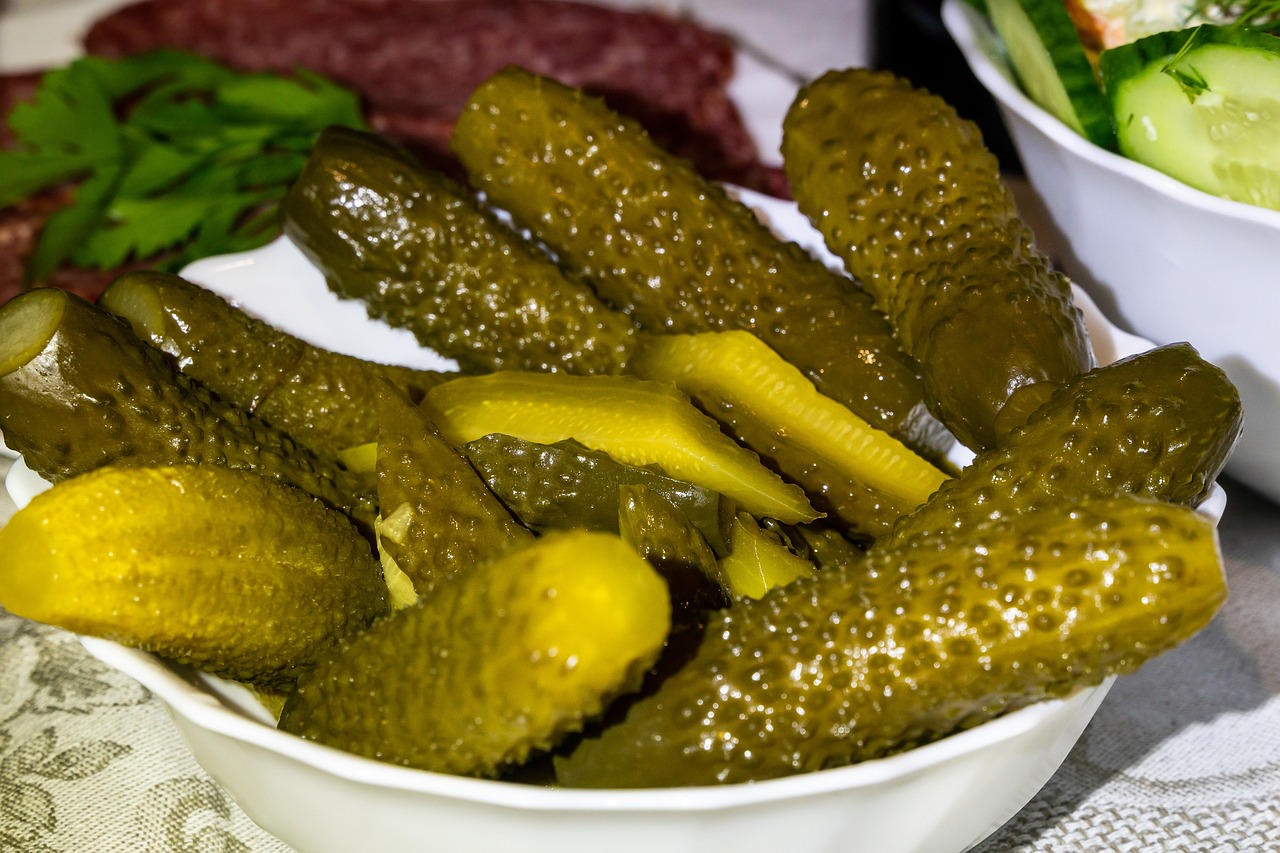
Another hypothesis is that the famous pickles from the Spreewald region in Brandenburg near Berlin hit the shelves in the German capital in late summer, meaning it was indeed the "sour pickle time".
Another possible theory is that it's related to Yiddish expressions for times of hardship. The summer period is usually a slow one for businesses, resulting in struggles.
Incidentally, the Saure-Gurken-Zeit is a great time to visit Germany's pickle capital. The Spreewald region, around an hour by train from Berlin, produces around 50 percent of Germany's pickles.
You'll find every kind of Gurke delicacy, from a selection of pickles, bread and spreads (the Senfgurke - a gherkin pickled with mustard seed - is delicious) to Gurkensuppe - and even Gurkenlimonade.
Use it like this:
Das Büro ist so leer. Wir sind in der Saure-Gurken-Zeit!
The office is so empty. We are in slow season!
Wir schließen im August, weil es die Saure-Gurken-Zeit ist.
We're closing for August because it's the height of summer.
Ich kann keine neuen Ideen finden. Na ja, es ist das Sommerloch.
I can't find any new ideas. Ah well, its silly season.
Comments