
Everyone hopes it will never come to this, but Germany has been preparing for the possibility of conflict reaching its borders in future.
With Russia's war against Ukraine still raging – and surging tensions among NATO countries with Russia – Germany has vowed to get 'war ready' or 'kreigstüchtig'.
German Chancellor Friedrich Merz warned Monday that Russian President Vladimir Putin's "imperialist plan wouldn't end with the conquest of Ukraine but would rather be just the start".
Merz told a conference of Germany's ambassadors that "we are experiencing daily and with increasing intensity hybrid Russian attacks, including on our infrastructure".
Defence Minister Boris Pistorius (SPD) warned last year that Germany has to cover its bases by 2029, when experts say Russia could be in a position to attack a NATO country, depending on how the next months and years pan out.
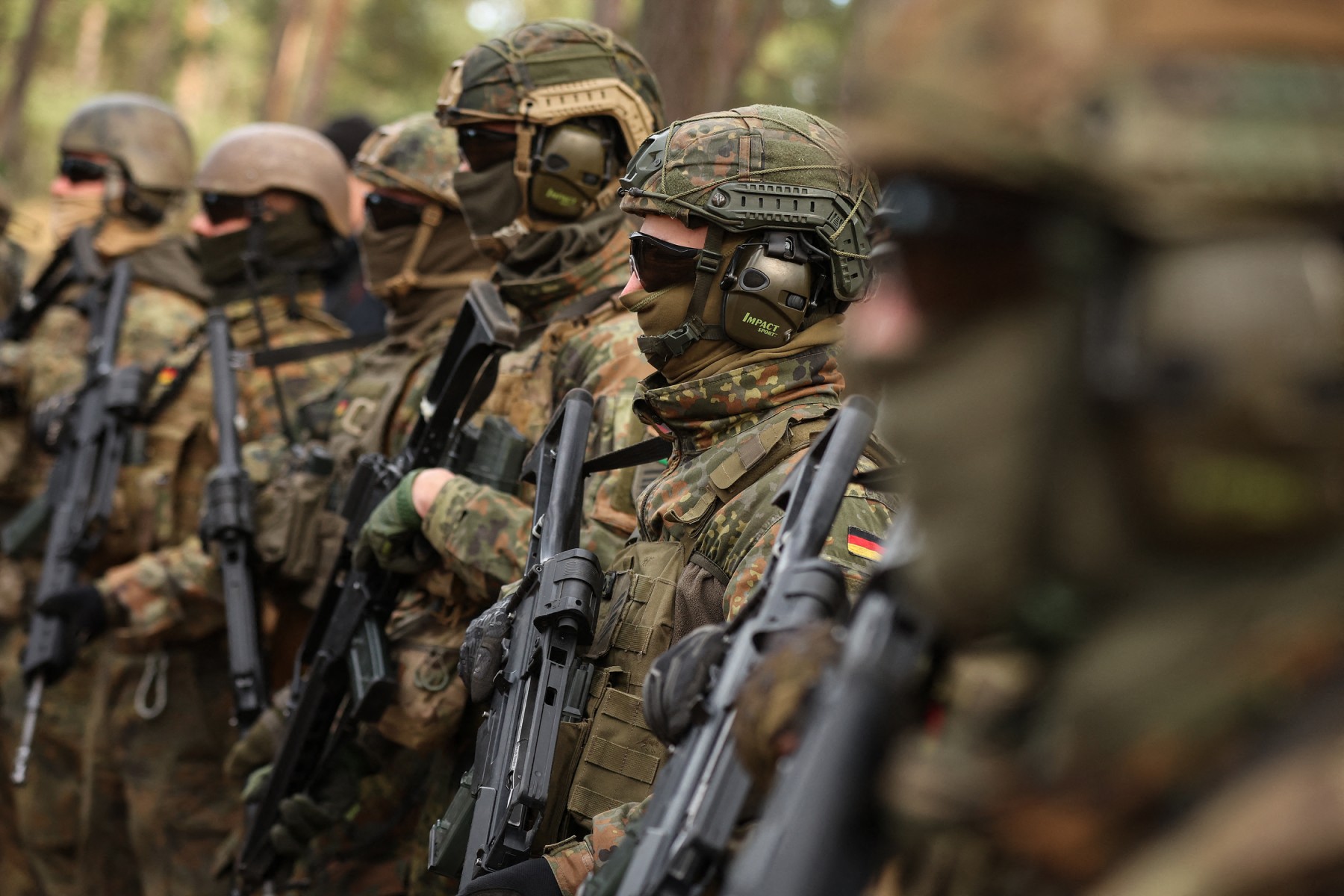
Since then, German politicians have revised fiscal policies to allow for a major boost in defence spending and boosted weapons production, and the Bundeswehr (German army) is searching for soldiers.
Last week the cabinet passed a draft law that seeks to boost armed forces personnel and which paves the way for compulsory service in future.
READ ALSO: Who would be affected by Germany's new military service law?
It also emerged late last year that authorities are drawing up a 'bunker list' to make plans for emergency shelter.
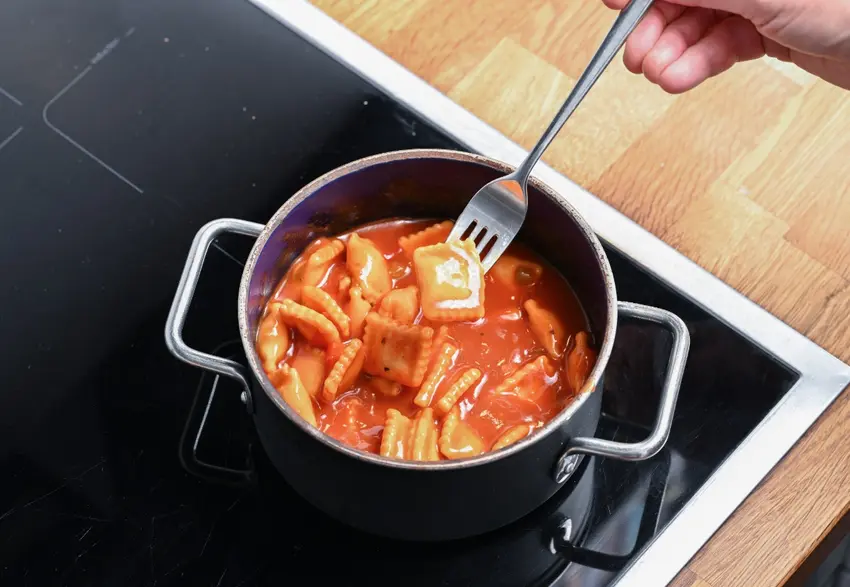
And the latest preparations? Stocking up on ready-to-eat food reserves.
That's right – canned ravioli and lentils are now on the agenda.
What's this about ravioli?
Germany's Food and Agriculture Minister Alois Rainer (CSU) says his department has to be prepared for making sure the population has access to food in the event of wars, disasters and crises. This is known as the civil emergency reserve.
In a new interview, the minister said he wants to see a strong supply of pre-prepared meals that can be quickly consumed after heating – such as tinned ravioli and lentils.
“For me, it is important that, in addition to the supply of military equipment, food security also plays a major role,” Rainer said on Politico's Berlin Playbook podcast.
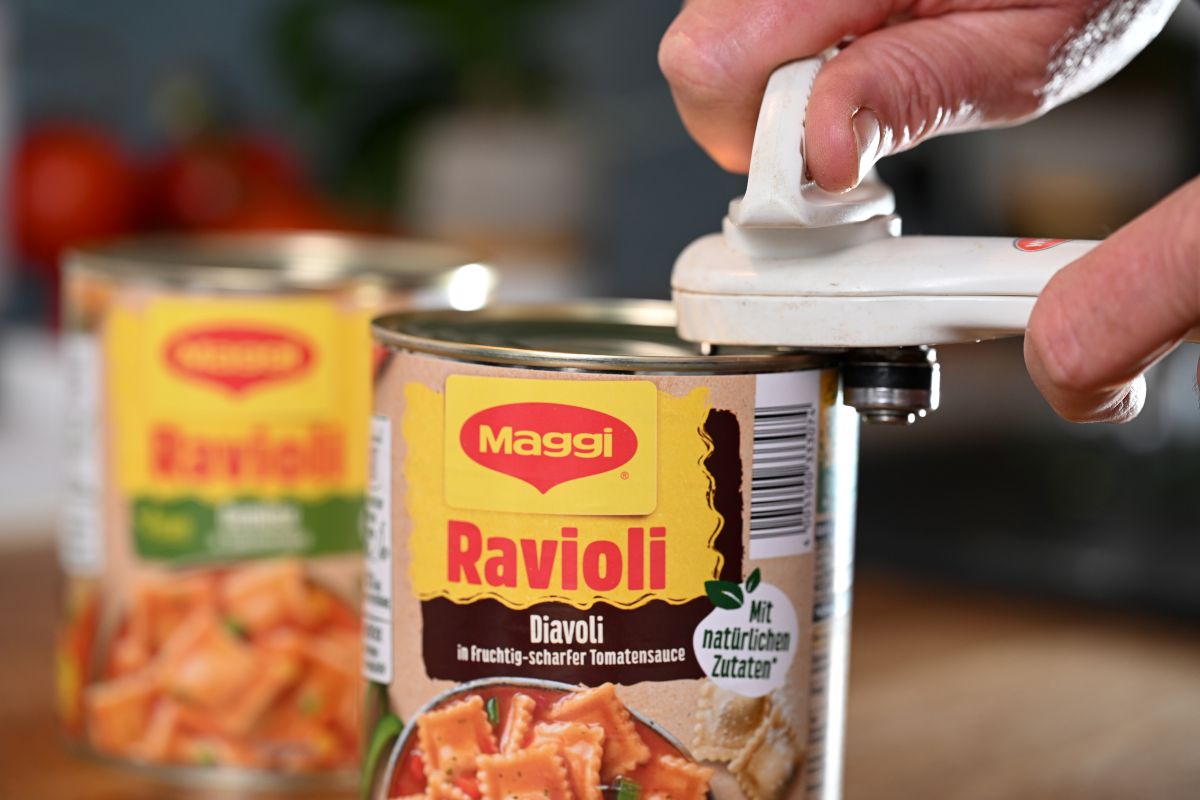
Currently, stocks consist mainly of grain, rice, peas, lentils and condensed milk. Grains are more time-consuming to prepare. The aim is to provide the population with at least one hot meal a day in the event of a crisis – but only for a timeframe of several weeks to bridge an acute emergency, not indefinitely.
The new food reserve plan could cost up to nearly 100 million euros.
How Germany stockpiles emergency food
Emergency supplies are stored at more than 150 locations in warehouses that are not publicly known. This is to prevent looting or attacks should a crisis occur.
The locations are spread across the whole of Germany, mainly on the outskirts of cities.
The Food and Agriculture Ministry regularly issues contracts for this purpose. In March, for instance it agreed a contract for the storage of 7,000 tonnes of rice and legumes in southern Germany, 3,000 tonnes in Lower Saxony and 25,000 tonnes of wheat in North Rhine-Westphalia, Lower Saxony and Saxony-Anhalt.
After around ten years, the stocks are replaced with new goods, and the stored food is resold.
Up until this point, Germany's emergency reserves have never had to be used. Even during the covid pandemic, when supplies on supermarket shelves dwindled and some people hoarded food, there was no food shortage.
How does Germany recommend residents prepare?
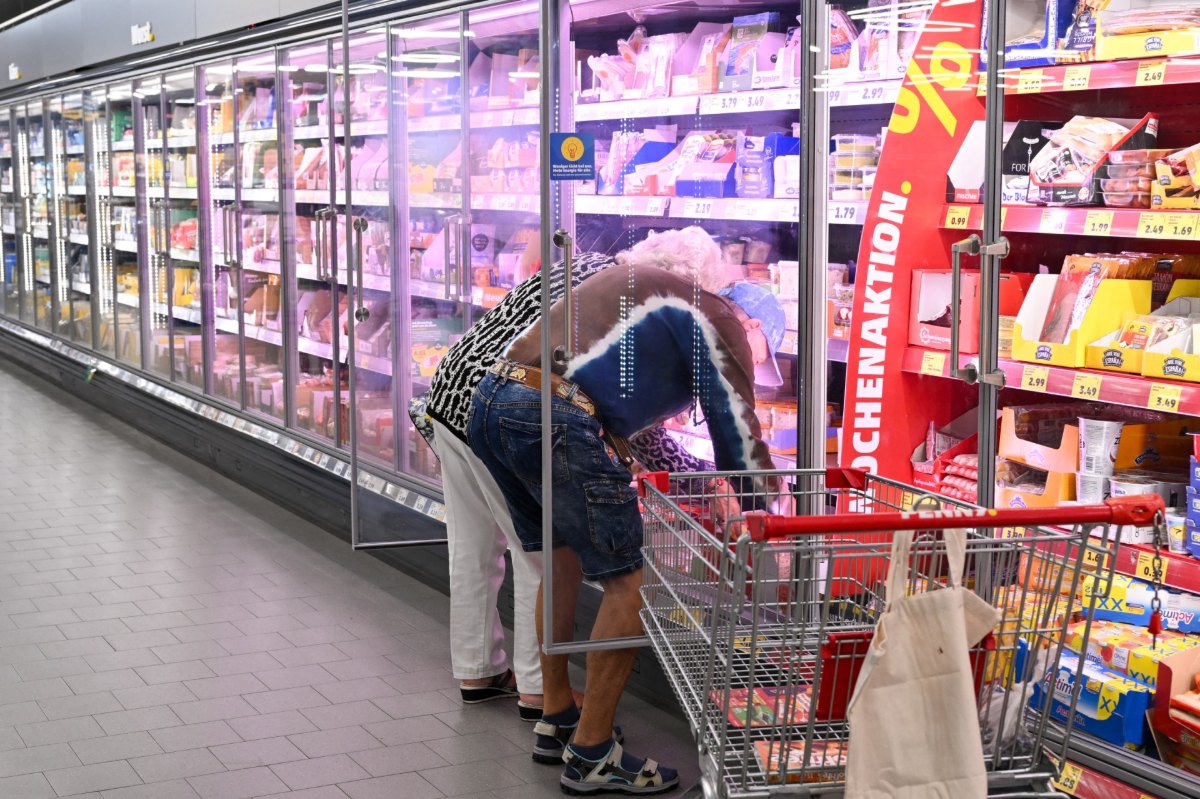
As The Local has previously reported, authorities recommend residents in Germany stockpile food and other key supplies.
A paper that leaked last year detailed how grocery stores like Lidl and Rewe could be hit with attacks to the electricity grid in the event of war activity, which would restrict access to them.
People should have non-perishable items because electricity cuts could see outages to refrigeration.
In general, the German Federal Office for Civil Protection and Disaster Assistance (BBK) recommends that people stockpile food and drink to last them ten days in the event of any type of emergency. Households should stockpile around two litres of liquid per person each day, the office says.
In terms of food, the state recommends 3.5 kilograms of cereals, bread, potatoes, pasta or rice and four kilograms of vegetables (or dried vegetables), among other items.
Earlier this year, Ralph Tiesler, President of BBK, urged people in Germany to get more prepared for emergencies.
"We need to become more resilient in all areas," he said. "It is important to be able to hold out for 72 hours."
Is Germany introducing compulsory service?
The major headlines on the topic in recent weeks have been around the military service draft law.
It will see new rules put in place for how young men and women are recruited into the army, with the aim of boosting recruitment.
If the law goes ahead, from next year all young men and women will be sent a questionnaire on their 18th birthday, which would ask them about their interest in joining the armed forces. Men will have to fill it out, while it will be voluntary for women.
Possible candidates would then be invited to a medical examination.
The law stops short of introducing mandatory service, a form of which was previously in place in Germany.
However, it opens the door to the government enforcing this in future if the country's defence policy required a rapid increase the number of people serving in the armed forces. Under the proposed law the German government could put a draft in place, pending approval by the Bundestag.
READ ALSO: Majority of Germans favour a return to conscription
Comments