
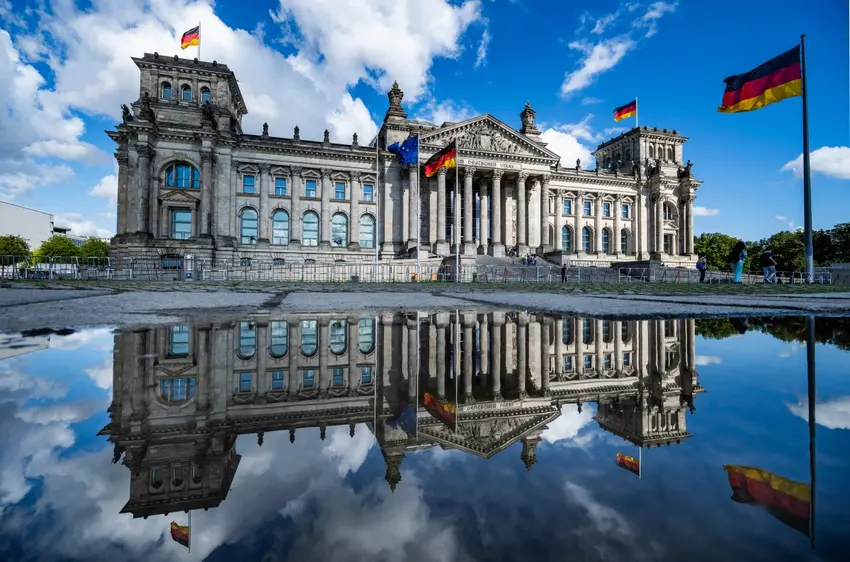
You might think that politicians in Germany would feel refreshed after several weeks away from the Bundestag, Germany's parliament. But it's been a summer marked by difficulties and in-fighting.
With the economy still down in the dumps – made all the worse by Trump's tariffs – plus a search to fill gaping holes in the budget, Chancellor Friedrich Merz, of the Christian Democrats (CDU), and his coalition colleagues are struggling.
To make matters worse, polls show people are not satisfied with the government, while support for the far-right Alternative for Germany (AfD) remains strong.
Here are the big challenges to look out for in the coming term.
Welfare reform, taxes and the economy
Chancellor Merz has dubbed this season an "autumn of reforms" as he pushes to make cuts to the welfare state and boost the economy.
It comes as Germany braces for a third consecutive year of stagnant GDP, multi-billion euro budget shortfalls, increased unemployment and US tariff woes.
READ ALSO: Is Germany headed for a period of austerity?
Things got off to a bright start on Wednesday when the cabinet approved plans for tax relief for commuters and the catering industry.
Under the proposals, the commuter allowance will rise from 2026, VAT on eating out will be reduced from 19 to seven percent and the subsidy cut for agricultural diesel is to be reversed.
The aim is "to provide as broad relief as possible where the crises of recent years – the coronavirus pandemic or rising energy costs and inflation – have increased costs for citizens," said Finance Minister Lars Klingbeil.
Yet there is coalition strife ahead.
CDU leader Merz has been stressing that the welfare state in its current form isn't financially viable.
A new commission has been set up to propose a shake-up of long-term unemployment (Bürgergeld), housing allowance (Wohngeld), and child supplement (Kinderzuschlag). The stated aim is to modernise and simplify the benefits system.
"This will mean painful decisions, it will mean cuts," Merz said recently at a CDU party conference.
The centre-left Social Democrats (SPD), which brought in the reformed Bürgergeld scheme in the last German government coalition, is against this move.
Labour Minister Bärbel Bas (SPD) recently called the statements on cutting benefits "bullshit".
READ ALSO:
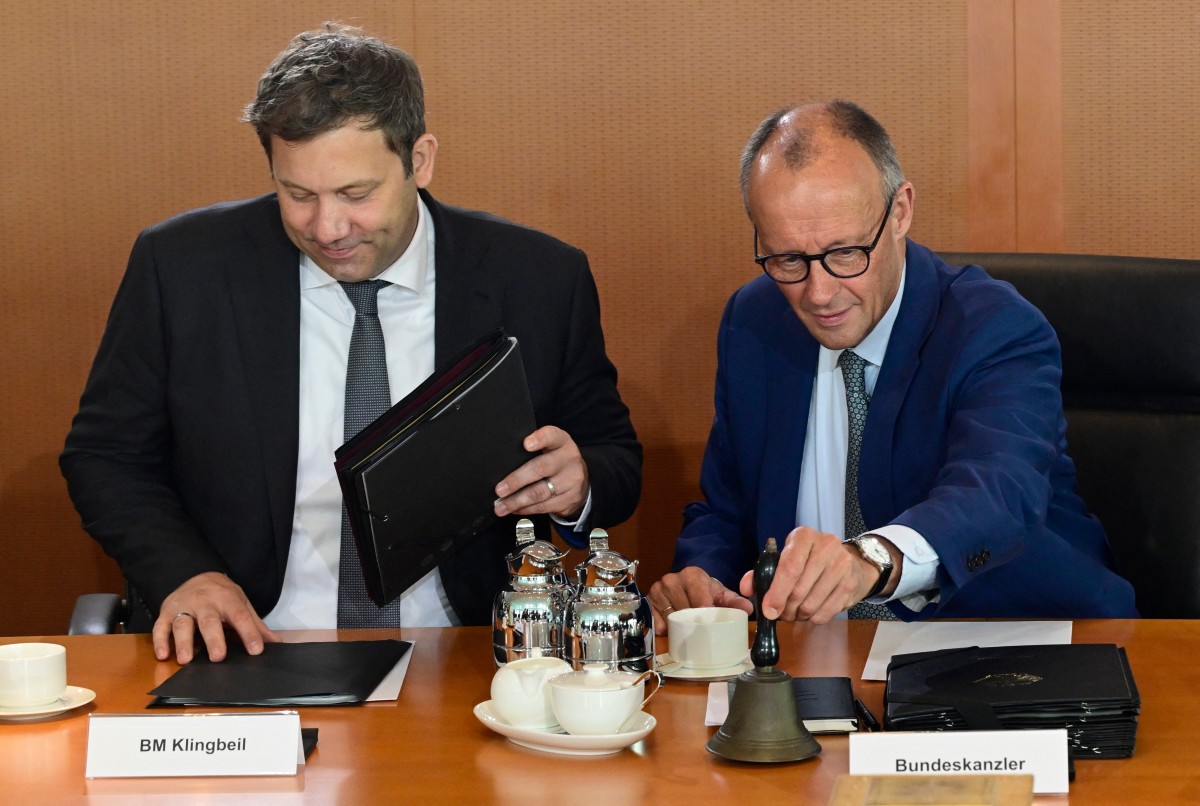
"I have to reject that, because we are a rich country," the SPD co-chairwoman told Stern magazine. "To say that we have to abolish social security is wrong. We have to work together for more growth, that's the right way."
The other bone of contention is taxes.
While the SPD – the junior partner in Germany’s governing coalition – is in favour of tax increases on high earners to plug budget holes, the CDU has rejected these calls.
Will they be able to reach a compromise on everything else? Watch this space.
Labour shortage and immigration row
Another ongoing challenge of the coming months is the intensifying labour shortage coupled with efforts to shake-up Germany's immigration policies.
Demographic changes mean Germany is desperate for skilled workers from abroad to fill vacancies and contribute to the social security system.
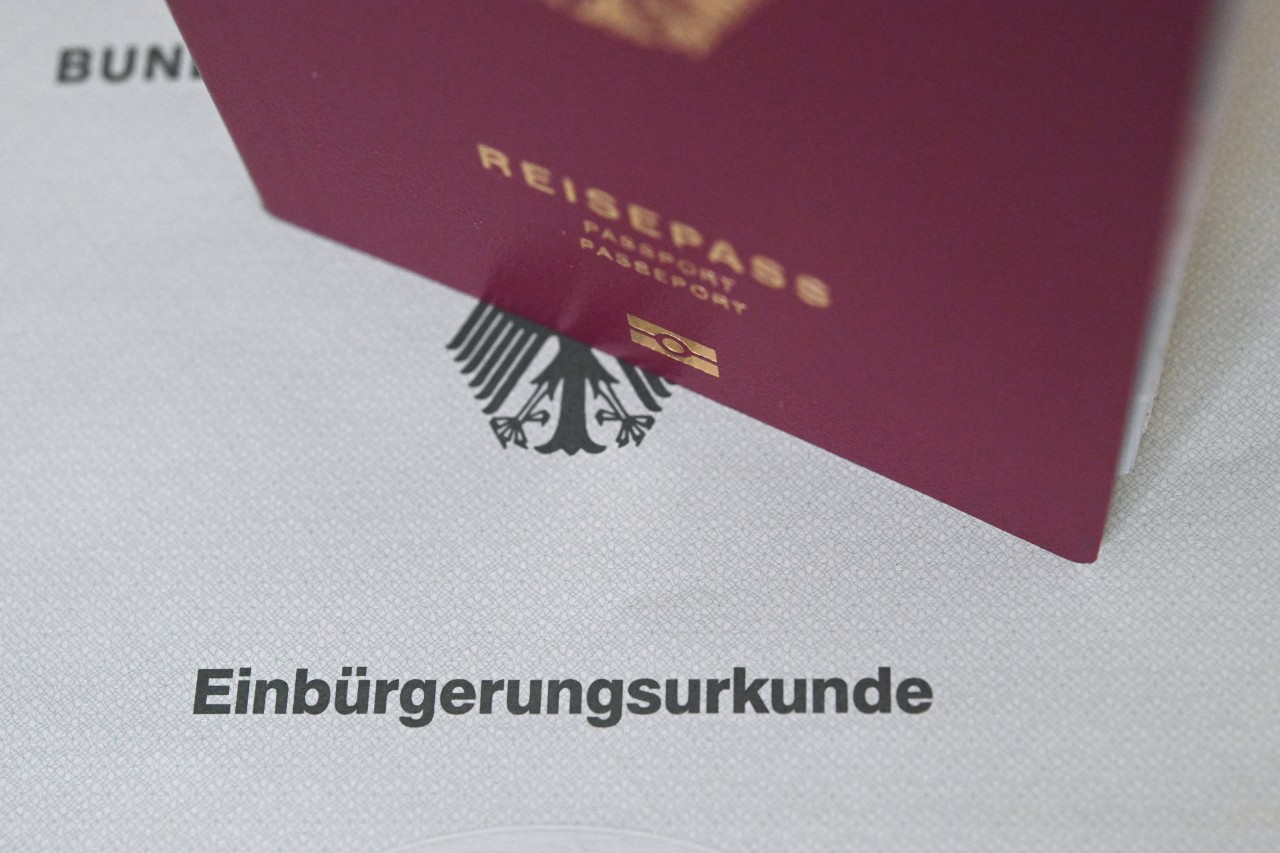
The last coalition government – made up of the SPD, Greens and Free Democrats – made sweeping immigration law changes to encourage foreigners to settle in Germany. Those included naturalisation reforms, changes to Blue Card rules and the introduction of the Chancenkarte or opportunity card visa.
But the latest coalition – with the conservatives at the helm – has sought to clamp down on immigration.
Initial measures from the new migration policy include plans like: carrying out more checks at borders, suspending family reunification for refugees and getting rid of the three-year track to naturalisation that requires C1 level German and exceptional integration.
The result? A confusing picture. Germany still wants to attract foreigners, but there's very much still an anti-immigration rhetoric in the air.
READ ALSO: The immigration changes that may affect foreigners in 2025
Government dissatisfaction amid rising support for the AfD
The chancellor will be keen to grow voter support after recent polls showed confidence in the government has fallen significantly.
Only 22 percent of Germans said they were satisfied with the coalition’s performance – a historic low and a steep drop from 40 percent in June, a recent Deutschlandtrend survey found.
When it comes to parties, the CDU remains the most popular party with 27 percent support, narrowly ahead of the far-right AfD at 25 percent, the survey showed.
The SPD polled at 14 percent, while the Greens and Left Party each had around 10-11 percent.
Meanwhile, in Saxony-Anhalt, where a state election is being held next year, the AfD scooped 39 percent in a poll – way ahead of the CDU's 27 percent.
International conflicts and 'war prep'
Meanwhile not all of the issues the German government must face are domestic.
With Russia's war continuing to rage in Ukraine, over a million Ukrainian refugees are currently living in Germany, placing pressure on local resources. Military aid from Germany and allies to Ukraine is also being stepped up.
There are real fears that the conflict could escalate in future.
As The Local has been reporting, Germany is massively increasing defence spending, boosting weapons production and the national army, or Bundeswehr, is searching for more soldiers.
Authorities are also working on plans to increase emergency supplies for the population and drawing up a bunker list.
Merz warned this week that Russian President Vladimir Putin's "imperialist plan wouldn't end with the conquest of Ukraine but would rather be just the start".
The chancellor told a conference of Germany's ambassadors that "we are experiencing daily and with increasing intensity hybrid Russian attacks, including on our infrastructure".
The conflict in Gaza and the Middle East is also showing no signs of improvement.
Germany, which has always vowed to protect Israel, is stuck in a tricky situation. Will it continue to stand by Israel as their attacks on Gaza intensify? A recently announced halt of weapons to Israel for use in Gaza suggests Germany may finally feel that it needs to reassess its role in the conflict.
Meanwhile, German police are increasingly coming under fire for their violent handling of Palestine solidarity protests across Germany.
Comments