
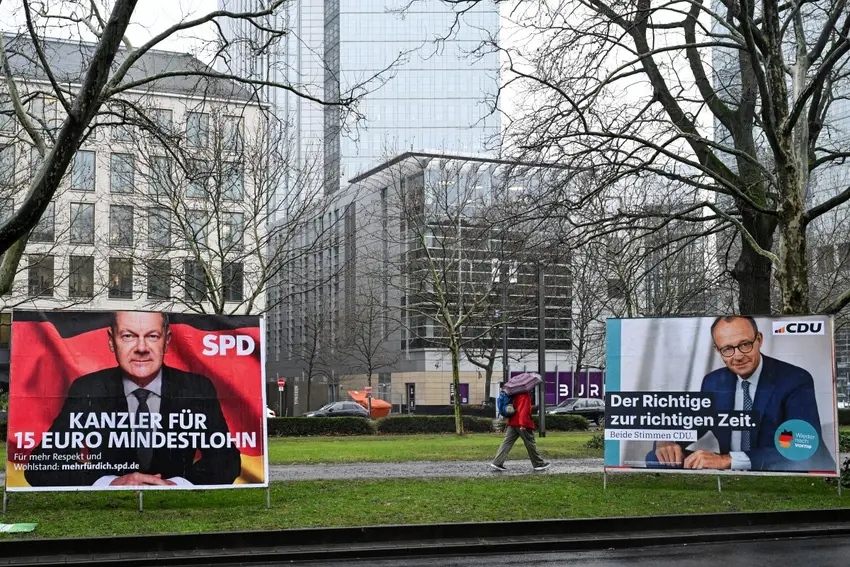
Germany is heading towards a snap election on February 23rd that will see a new government elected.
It comes after the breakdown of the previous 'traffic-light' coalition government comprised of the Social Democrats (SPD), Greens and Free Democrats (FDP) in November 2024.
We've compiled some recent articles below to help you understand the latest key talking points.
And for more news, analysis, answers to reader questions and manifesto breakdowns, you can read all of our election coverage in the 'German elections' section on The Local Germany's site.
Having an idea of how Germany's electoral system works is key to understanding how the Bundestag (German parliament) will be elected. We explain how the voting system works and what you can expect:
One of the main talking points of this election has been immigration policies. We explain where the main parties stand on these issues:
Speaking of immigration, the Christian Democrats (CDU) and its Bavarian sister party, the CSU, are on course to win the highest number of seats in the election, according to polls. But the party's manifesto specifically takes aim at the reformed citizenship law. We break down the key points:
CDU leader Friedrich Merz is will likely become Germany's next chancellor. What can we expect from him? Columnist Brian Melican predicts a rocky road ahead.
The CDU will be looking to team up with another party (or two) to form a majority government. We round up which coalitions are most likely:
The AfD is set to make big gains this time around. We look at how the party coming second behind the CDU/CSU could impact foreigners in Germany:
Comments