
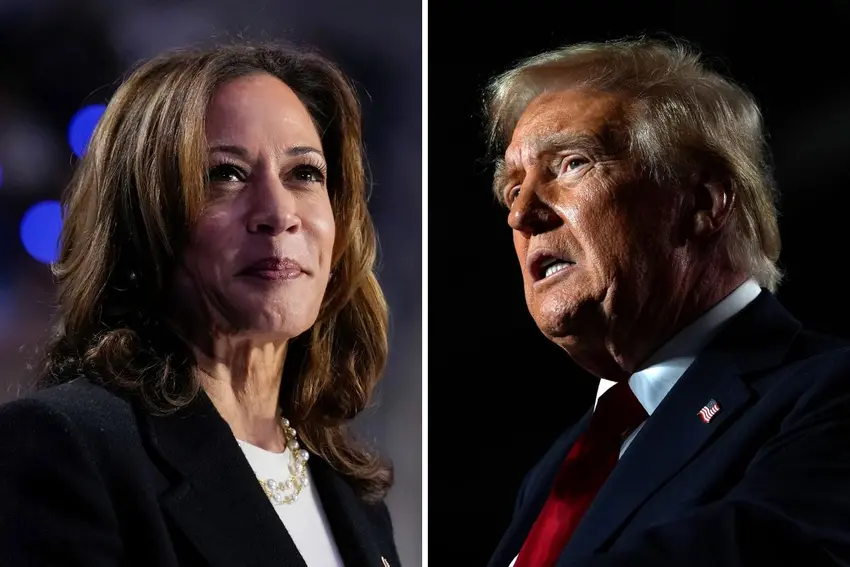
The 2024 US general election is underway. US voters in Germany will have already mailed-in their votes, and in the US voting booths have closed as of Tuesday evening on November 5th.
As of 8:30am on Wednesday morning, Trump has gained a higher number of electoral college votes - with around 95 percent of the votes counted in both Pennsylvania and Georgia, it looks like he could win both states. But nothing is certain until either candidate has certifiably won more than 270 electoral college votes.
In the meantime, people and leaders in Germany are watching with bated breath, waiting to see who will be the next US President, and what that might mean for US-Germany relations.
US - Germany relations under Trump or Harris
As we have reported, German leaders would likely have a hard time maintaining positive diplomatic relations with a Trump administration.
In short, another Trump term would be expected to bring significant challenges for Germany’s (and Europe’s) defence strategy as well as strained trade relations and severe climate impacts that would ultimately be felt around the world. Additionally, it would be read as an endorsement of alt-right politics.
READ ALSO: What would a second Trump presidency mean for Germany?
Regarding defence, Trump is expected to withdraw or severely reduce support for Ukraine, which could lead to Russia making significant territorial gains there. Trump’s own statements have also caused German and European leaders to question his commitment to defend NATO allies, in the event of an attack.
Regarding trade, Trump has suggested putting 20 percent tariffs on all imports to the US. Germany’s ifo Institute for Economic Research calculated that this would likely reduce German exports to the US by around 15 percent – a significant hit to Germany’s already ailing economy.
For these reasons, 79 percent of Germans said they would vote for Kamala Harris whereas just 13 percent said they would vote for Trump in a Forsa survey conducted for Stern magazine.
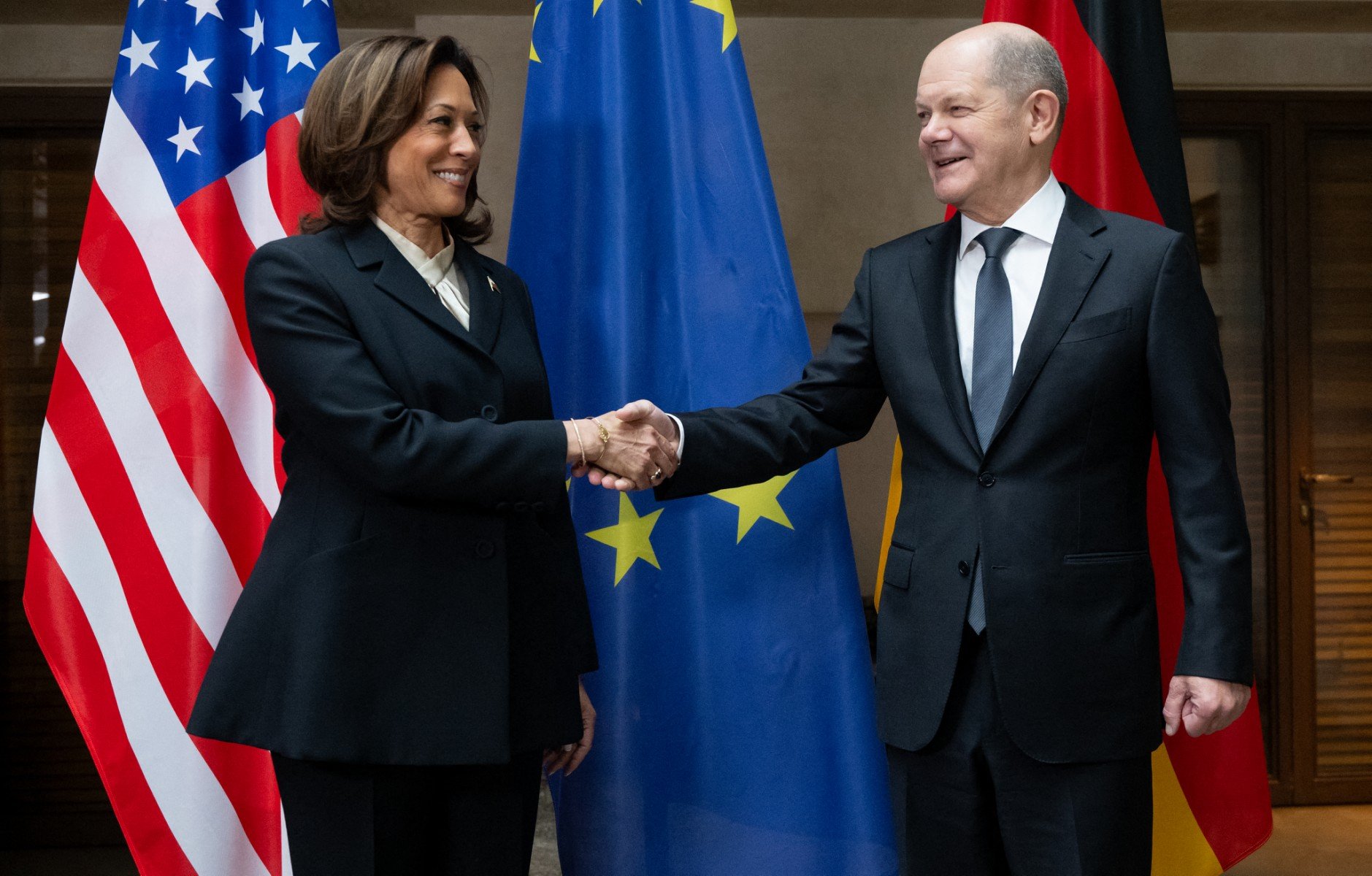
On the other hand, the election of Harris would largely be seen as a rejection of Trump policies, and also a vote for the continuation of Biden’s policies generally.
Harris has been vocal about her commitment to continuing military support for Ukraine and NATO. She is not expected to introduce tariffs that would impact trade with Germany, and she seems to represent the continuation of business as usual on many foreign policy issues.
READ ALSO: What would Kamala Harris as US president mean for Germany?
How might the candidates affect Americans living in Germany?
There are over one million US citizens living in Europe, including more than 122,000 living in Germany, and it seems that the current presidential candidates have taken notice.
In a letter by Kamala Harris addressed specifically to US citizens residing abroad in late October, she said she recognised "the unique challenges faced by Americans living overseas”.
She expressed an understanding of the issues that US citizens living abroad deal with, including banking, taxation, and financial services.
READ ALSO: 'Unique challenges' - Kamala Harris vows to help Americans in Europe
For his part, Donald Trump said in a video shared on Youtube that he would end double taxation – referring to the obligation for US citizens to file taxes in the US even on money earned abroad while residing abroad.
Could a Trump win benefit the traffic-light coalition?
Interestingly, Politico recently reported that a Trump victory could be a boon to Germany's current so-called 'traffic-light' coalition government – led by Chancellor Scholz and composed of the Social Democrats (SDP), the Greens and the Free Democrats (FDP).
Member parties of the traffic-light government have suffered significant losses of votes in both the EU elections over the summer and more recently in some eastern state elections following lots of in-fighting and a perceived failure to deliver on many of their initial promises.
READ ALSO: Could Germany face an early national election?
Politico’s report suggests that the pressure to react to a Trump presidency could compel the traffic light parties to act with more constraint and unity.
It’s an interesting argument, but many German leaders have made their own views on the matter known, and most of them say they would much prefer to see Harris take the reins.
For example, Foreign Minister Annalena Baerbock (Greens) has previously praised Harris’s passion, her support for Ukraine and called her a “transatlanticist through and through”.
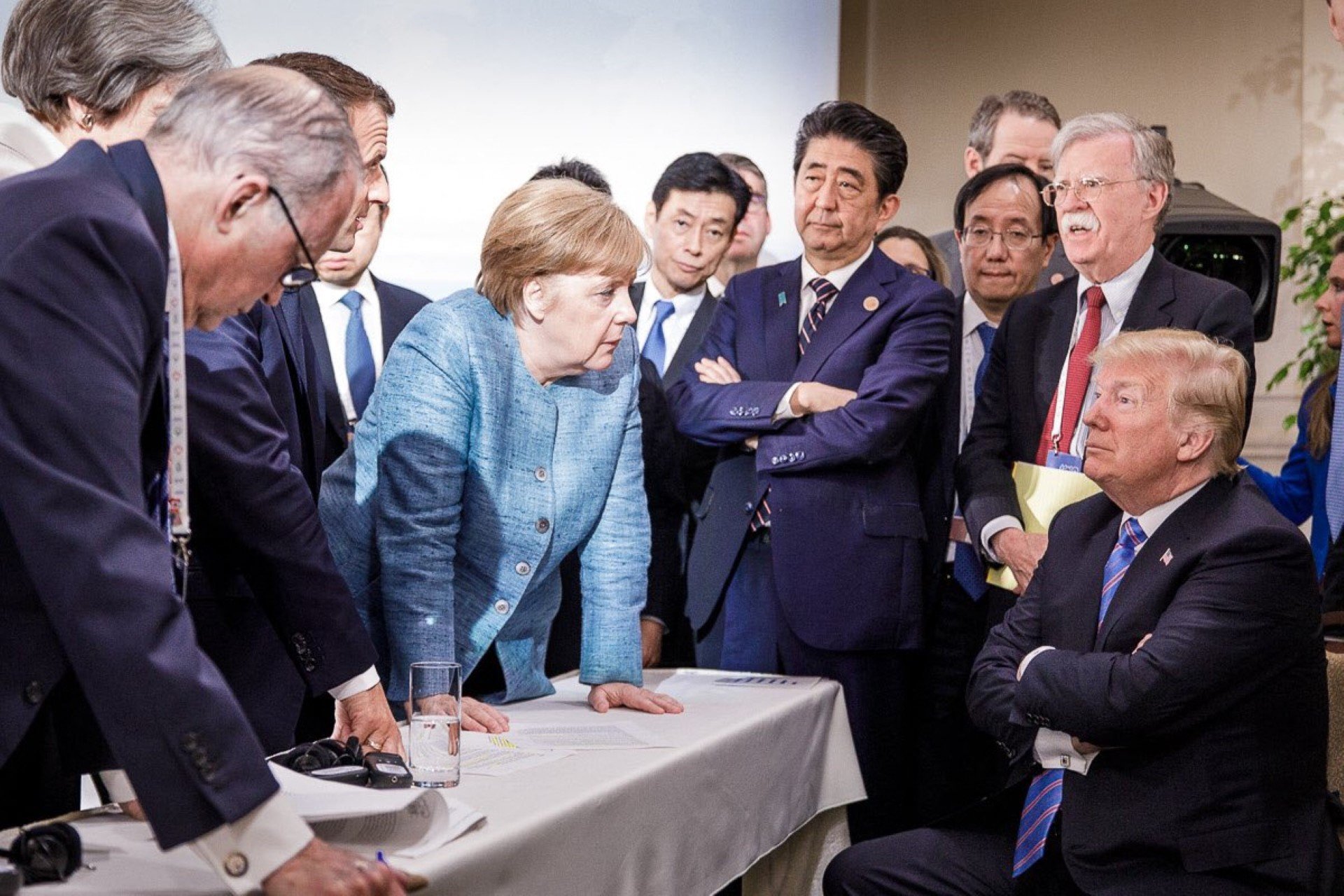
Recalling clashes Trump had with Merkel’s government between 2016 and 2020, German leaders likely have a sense of what working with him could be like. Trump previously sparred with Merkel’s government over defence spending, migration, climate change and trade.
Will Germany prioritise defence going forward?
No matter who wins, this US election may serve as a wake-up call to German leaders that dependence on US military support is a perilous game.
Germany maintains the largest military in the EU, but its own defence strategy is also dependent on US weapons and resources.
READ ALSO: Why the US plans to station long range missiles in Germany
Near the end of his presidency Trump ordered the Pentagon to withdraw over 12,000 American troops stationed in Germany – showing how a personal grudge match between world leaders can have immediate effects on Germany’s security, even while NATO agreements remain in place.
Now this election has made clear that as long as Germany remains dependent on US military support, its own defence is arguably left in the hands of a few thousand US voters in swing states whose own concerns are centred far from Europe.
Earlier this year, Defence Minister Boris Pistorius warned that Germany isn’t ready to defend itself citing a too small military budget, outdated weapons and a lack of personnel. However, Germany has significantly ramped up its defence budget and military recruitment goals since 2022.
Comments