The German economy contracted by five percent last year, its deepest recession since World War II, according to preliminary figures released on Wednesday.
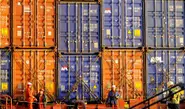
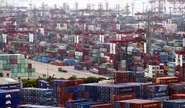
Official numbers from the Germany’s Federal Statistics Office (Destatis) on Friday have confirmed that China has surpassed Germany as the world's leading exporter.
German retail sales fell by around 2.0 percent in 2009 from the previous year, an official estimation said Thursday as consumption fared better than Europe's biggest economy in general.
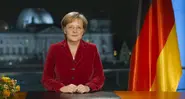
German Chancellor Angela Merkel warned in a New Year's television address to be broadcast on Thursday that the effects of the country's worst post-war recession would drag into 2010.
Prospects for Europe's biggest economy look gloomier in 2010 as consumer sentiment, business investment and borrowing polls warn of weak patches following the worst recession since World War II.
Holiday shoppers are digging deeper into their wallets than expected this year despite the tough economy, a German retailer association said on Tuesday.
Evidence mounted on Tuesday that the German economy was on the mend, with a closely-watched survey showing business confidence surging just as data confirmed third-quarter growth was the fastest in nearly two years.
The German economy will need at least two more years to regain the strength it had before the global financial crisis struck, Economy Minister Rainer Brüderle said on Sunday.
German Finance Minister Wolfgang Schäuble on Thursday ruled out a major tax reform before 2013, potentially setting the stage for conflict within Chancellor Angela Merkel's new centre-right coalition.
Doubts grew on Monday over the viability of the new German government's choice to rely on tax cuts alone to boost the ailing economy, with Chancellor Angela Merkel herself admitting the plan might not work.
The Volkswagen subsidiary Audi is set to invest €1.9 billion in its own factories, it was announced Saturday. The move is part of a crisis-defying trend among Germany's luxury car brands.
Germany is poised to bounce back to positive growth next year, the country's main economic institutes said Thursday, a major turnaround for Europe's top economy after its worst recession in 60 years.
The number of women working part-time jobs in Germany has increased significantly in the last decade, a new study by the Federal Statistics Office (Destatis) showed on Wednesday.
Germany's economic recovery following the worst recession in 60 years looks to be gradual and bumpy, a closely-watched confidence survey suggested on Tuesday.
Germany on Tuesday balked at increasing the resources of the International Monetary Fund, arguing it could encourage countries to count on being bailed out by the organisation.
A government spokesman said on Tuesday Germany is poised to recover faster than originally thought from a crippling recession, revising upward a growth forecast for Europe's largest economy this year.
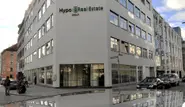
Troubled German property financier Hypo Real Estate (Hypo RE) will need until 2015 to repay about €100 billion of state aid, chief executive Axel Wieandt said Monday.
Official figures released on Wednesday showed German unemployment fell to 8.0 percent of the workforce in September, but economists warned the worst is yet to come for the country's job market.
The new coalition of German Chancellor Angela Merkel will likely boost Europe's top economy, but analysts questioned Monday how far she will pursue crucial yet contentious reforms.
Germany's prestigious piano makers have emerged as the latest industry to be battered by the global recession as worldwide sales of the instrument plummet.
Oktoberfest is booming despite the bad global economy, with 100,000 more guests downing a <i>Maß</i> or 10 in the first week compared with last year, organisers reported Sunday.
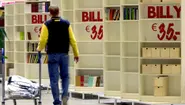
Workers in Gardelegen, Saxony-Anhalt have assembled Ikea’s famed “Billy” bookcases since 1982. But the factory is now closing its doors as the Swedish company pursues cheaper Slovakian labour, weekly magazine <i>SuperIllu</i> reported on Thursday.
German Chancellor Angela Merkel headed to the G20 summit in the United States on Thursday determined to demand stricter regulations for the global financial markets.
Labour Minister Olaf Scholz is planning a €100-million programme to provide micro-credit to small German businesses, financial daily <i>Handelsblatt</i> reported on Wednesday.