Experts agree that Germany is in desperate need of skilled workers, so why does it seem so hard to land a good job? The Local spoke with the founder of a popular jobs platform to ask why, and find out how job-seekers can improve their chances.
Tech giant Google has unveiled its biggest-ever investment in Germany, pledging €5.5 billion for a new data centre and other projects. How many jobs will it create – and where?
Important sectors, like healthcare and construction, are among the most affected by Germany's growing lack of skilled workers. An economic institute study reveals how many jobs were left unfilled in these sectors last year.
Despite Germany's economic troubles the number of people in work is increasing, but there are major regional differences. Here's a look at which areas are seeing the most jobs growth – and where labour markets are shrinking.
Amid a sluggish economy, the job market in Germany is turbulent at the moment. We spoke to a career coach to find out the outlook for this year and the biggest challenges for foreign jobseekers.
International trainees not only help to fill critical gaps in Germany's hospitality industry, they're also driving growth and stability in a sector which remains vital to the country's economy.
If you're looking for a new job in Germany, or want to relocate, you may be wondering about which resources to turn to. We've compiled an overview of the best websites and advice for finding find English-speaking jobs.
As the labour shortage in Germany worsens, the federal cabinet has given the go-ahead for a new agency that would make it easier – and faster – for more skilled migrants to come and live in Germany.
Germans working in tech tend to make less money than Americans and Brits, but more than tech workers in France and India. Here are the highest paid tech development and engineering roles according to a recent survey.
It takes well over two months for companies to fill positions in Germany and in some industries it takes even longer, according to a new report. How long does it take to get hired, and how steep is the competition in different industries?
For foreigners living in Germany and considering vocational training, it’s helpful to know which apprenticeships offer the highest pay during training as well as the best long-term career prospects.
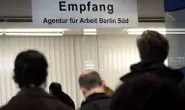
German unemployment topped three million in August for the first time in over a decade, official data showed Friday, in another blow to Europe's struggling top economy.
You don't always have to study at university to land a lucrative job. These seven jobs all have healthy salaries and don't require years of training, making them ideal options for non-graduates or career changers.
Businesses across various industries, from hospitality to postal services, are concerned that they may struggle to fill basic jobs amid a sharp drop in the number of refugees entering Germany.
Unemployment in Germany continued to rise last month according to the Federal Employment Agency. Here's a look at the latest figures, including which states have the lowest and highest rates.
There are lots of great reasons to study in Germany, but which subjects – and which universities – will give you the best chance of landing a secure and well-paid job?
Applying for jobs is never simple but it can feel even more difficult in a foreign country when you’re unfamiliar with the language and job market. In a bid to make the process easier, The Local asked recruitment experts for their best tips to successfully apply for a job in Germany.
Germany's strict protections of personal freedom and privacy extend to the workplace, limiting employers' ability to interfere with office romances, but there are some rules to be aware of.
Finding a job in Germany is not easy for foreign residents. Share your experiences and frustrations with our readers as well as your best advice. Take our two minute survey.
Germany is facing an acute shortage of skilled workers across a wide range of industries. The problem is only getting worse, according to the latest figures from the German Economic Institute.
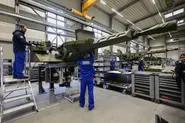
In a country with strong pacifist traditions due to its dark World War II history, German student Mika Scheid had never considered working in the arms industry -- until Russia invaded Ukraine.