
Germany is facing an acute shortage of skilled workers across a wide range of industries, and the latest figures show the problem is intensifying.
As of May 2025, Germany faces deficits in 163 occupations officially recognized as shortage or bottleneck professions, according to Germany’s Employment Agency.
The number of unfilled jobs in Germany requiring skilled workers was estimated at 487,000 in 2024. New figures from the German Economic Institute (IW) suggest the number could rise to 768,000 by 2028.
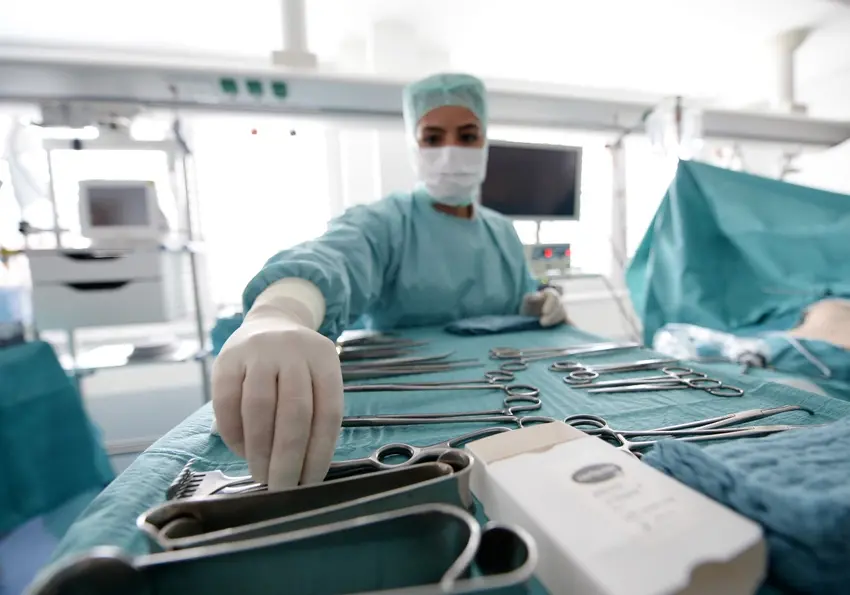
Workers were lacking for both traditional skilled trades and technical roles, but also in the healthcare, IT, education, and social services sectors.
“The main reason [for the shortage] is demographic change. Many people will be retiring in the next few years,” says Jurek Tiedemann, author of the IW study.
“If we don't manage to cushion the shortage, it will be felt by even more people in their everyday lives in the future,” he added.
REVEALED: The jobs and skills growing in demand across Germany
What does the IW report say?
Tiedemann and his colleagues used data from 2023, combined with trends from previous years, to examine how the labour market situation will develop in 1,300 occupations.
Despite a temporary easing of labour shortages due to a sluggish economy – 28.3 percent of companies reported difficulties finding qualified staff in early 2025, down from 31.9 percent the previous autumn – current patterns of demographic change suggest that the long-term outlook is grim.
A large cohort of baby boomers is retiring, and too few young people are entering the workforce to replace them.
The IW forecasts that the number of unfilled jobs requiring skilled workers will rise to around 768,000 by 2028, up from an average of 487,000 in 2024.
READ ALSO: Manpower-short Germany ups skilled worker visas
Immigration offers some hope. Even if it remains at its present levels, however, it will only offset about 70 percent of the projected shortages.
Which occupations need the most workers?
The skills gap is especially pronounced in certain sectors, with the biggest shortages expected among salespeople. The report suggests that the shortage of skilled workers in this sector will grow from more than 12,900 to 40,470 by 2028.
Childcare workers take second place in the labour shortage charts, with projections of around 30,800 unfilled positions by the same time.
This is followed by social work and social pedagogy with more than 21,150 unfilled positions by 2028, and then health and nursing care with 21,350.
READ ALSO: Q&A - How foreign jobseekers in Germany can maximise their chances
Demand will continue to surge in IT and the digital professions, with a 26 percent increase in jobs expected by 2028.
The skills gap won't widen as dramatically in IT as in other professions, but the report's authors nonetheless expect to see an overall shortfall of about 133,000 IT and digitalisation specialists in Germany in three years.
The largest overall decline in the number of skilled workers is expected in the metalworking professions, where numbers are projected fall by over 160,000 by 2028.
What are the consequences for Germany?
The IW report highlights that shortages in one sector can be expected to have knock-on effects across the economy. With fewer childcare and nursing care places available, for example, parents and carers will be able to spend less time at work.
With fewer contributors supporting a growing number of retirees, social security systems will come under additional strain.
Can the current trend be reversed?
The authors of the report warn that Germany’s skills shortage won’t be solved without decisive and coordinated action from government, industry, and society.
Specifically, the report advocates for better careers guidance in schools to encourage more young people into key occupations.
READ ALSO: Fact-check: Are immigrants in Germany taking advantage of the welfare state?
The authors also recommend creating new incentives for longer working lives, such as flexible retirement and opportunities for retraining.
The authors are also urging the government to do more to facilitate skilled immigration on a large scale by making it easier for qualified professionals from abroad to enter and work in Germany.
The former traffic light coalition government (of the Social Democrat, Green and the Free Democrat parties) had implemented some ambitious policy changes aimed at boosting immigration of skilled workers and improving integration efforts. The current black-red government has voiced similar goals, but labour and migration experts have voiced concerns about some of the coalition's initial moves - such as scrapping fast-track citizenship for highly integrated individuals, which may actually discourage immigration by skilled workers.
Comments