The UK and European Union said they have signed the legal texts allowing Britain to rejoin the bloc's Erasmus student exchange scheme, five years after Brexit forced its departure.
Brits who were in Germany before the Brexit cut-off date are facing hurdles trying to get their permanent residence documents. We look at what's going on across Germany.
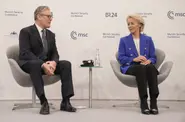
Ten years after the referendum that led to Brexit, Britain and the European Union must close ranks in an increasingly unstable world, their leaders said on Saturday.
British people who were living in Germany by the end of 2020 have their residence rights protected under the Brexit Withdrawal Agreement. Here's how they can get permanent residency according to an immigration expert.
The European Commission has announced it will look into allowing certain non-EU professionals to stay in the EU beyond the current 90/180-day rule, as part of a future overhaul of its visa system. It also asked EU countries to make visa access "simpler and faster" for skilled workers.
It’s been five years since the end of the post-Brexit transition period and for many British citizens living in the EU this means 2026 will be the time to upgrade to a permanent residence card. But what happens if you forget or leave it late to apply?
Five years on from the end of free movement, Britons living throughout Europe are still dealing with the consequences of Brexit. Fiona Godfrey, from British in Europe, tells The Local the battle to secure rights is still ongoing and that things could get more complicated.
Britain is set to rejoin the European Union's Erasmus student exchange programme, which it left almost five years ago following Brexit, UK media reported late Tuesday.
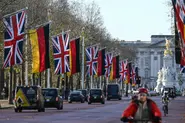
German President Frank-Walter Steinmeier heads to the UK on Wednesday at a time when a deepening security alliance has helped rebuild ties frayed in the turbulent post-Brexit years.
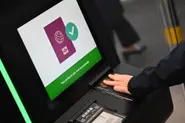
If you live in Germany on a non-EU passport, you may well be sick of waiting in endless queues at border control whenever you re-enter the country. Luckily, the automated e-gates could be a solution for some. Here's who can use them.
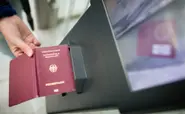
From October 12th, Germany will begin rolling out the EU’s new Entry/Exit System (EES) at external borders, starting with Düsseldorf airport. British residents in Germany are exempt, providing they produce the right documents at the border.
Nine years after the Brexit referendum, public opinion in Germany and across Europe has shifted dramatically on the question of whether the UK should rejoin the European Union, according to new data.
British motorists caught speeding in Europe – and European drivers caught in the UK – may soon receive an unwelcome surprise on their return home following the recent "reset deal" between the EU and the UK.
From allowing Britons travelling to Europe to use e-gates at passport control, and an agreement to allow pets to travel more easily, plus a promise to rejoin Erasmus, the new EU-UK deal had many elements that will affect both Britons and Europeans.
Britain and the European Union on Monday reached a landmark deal setting out closer ties on defence and trade, launching a new chapter after the UK's acrimonious exit from the bloc five years ago.
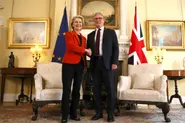
UK Prime Minister Keir Starmer is hosting EU chiefs at a summit on Monday, the first of its kind since Brexit, as he tries to deepen relations with the bloc.
More than 120,000 Britons were naturalised in European countries since the 2016 Brexit referendum, according to the latest data on citizenship acquisition published by Eurostat.
The bombshell Brexit vote left Brits in Germany scrambling to gain dual nationality before the cut-off date on December 31st 2020. Five years on, here's how Brexit has impacted the number of British citizens becoming German.
January 31st 2025 marks five years since Britain officially left the European Union. While many issues have been resolved for Britons living throughout Europe, there are still hurdles and headaches ahead, explains Claudia Delpero.
More than eight years after the UK's Brexit vote, a majority of EU citizens would like a closer relationship with Britain and many Brits are now prepared to ditch their Brexit red lines, a new survey has revealed.
More than 42,000 British citizens moved to EU countries in 2023, with the largest groups recorded in Spain, France and Germany, according to data published recently by the EU statistical office Eurostat.
Most people accept that moving to Germany is tricky and involves a lot of paperwork, but for Brits deciding to go back to the UK it's easy, right? After all, you're just going home? Wrong.
The UK's new Prime Minister Keir Starmer has swept into Downing Street in a landslide victory. But how will a Labour government affect Brits in Europe? And what, if anything, will the former 'Remainer' do about Brexit?
A new project from citizens campaign group British in Europe aims to empower Brits in the EU to advocate for their post-Brexit rights. The Local spoke to BiE chair Jane Golding about the problems British citizens face in Europe and why the project is still needed.