
Tuesday's top story: Arrests made over fraudulent German language and naturalisation tests
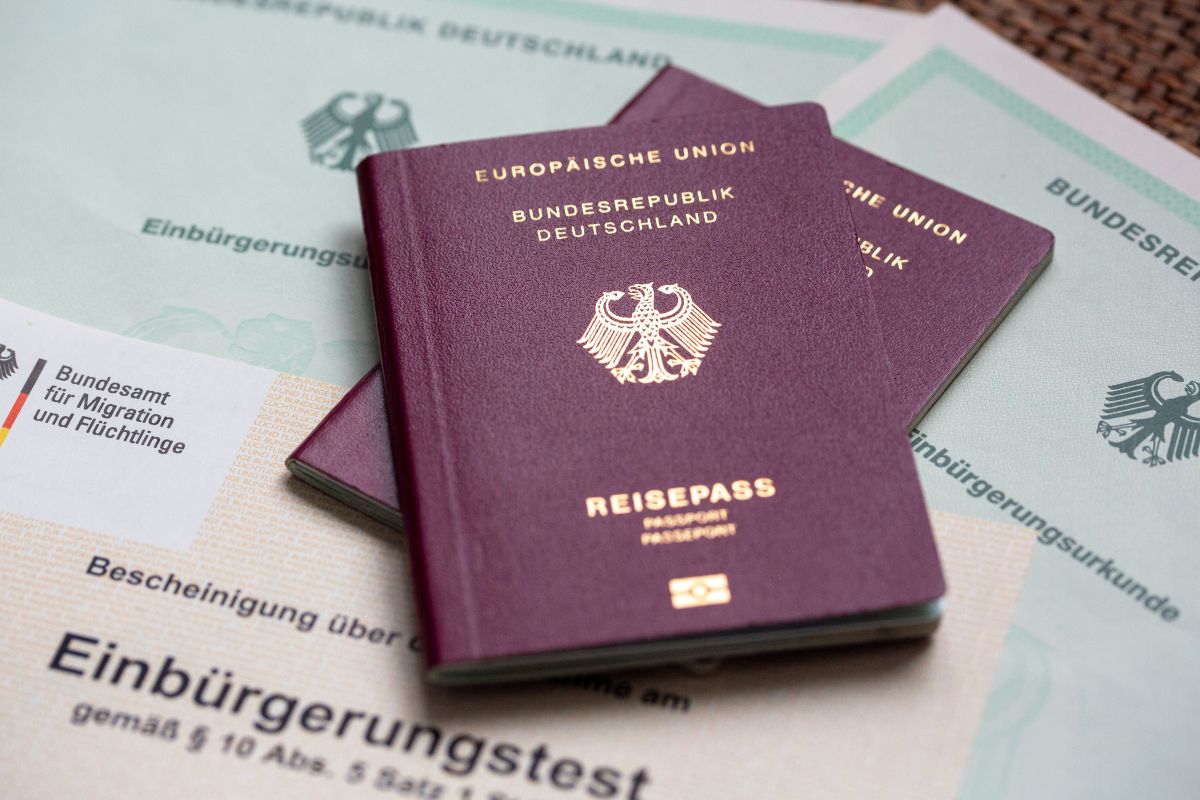
Police in Nuremberg have uncovered a large-scale scheme to cheat on German language and naturalisation exams. According to a Middle Franconia Police spokesperson, the main suspect acted as a broker, arranging for test‑takers with strong German skills to sit exams on behalf of migrants seeking residence permits or citizenship. Clients reportedly paid between €2,500 and €6,000 per test.
While authorities have dealt with forged language certificates before, investigators say this operation used a new tactic: impostors reportedly presented falsified IDs displaying their own photos alongside the personal details of the actual applicants.
This made the deception nearly impossible for examiners to detect, allowing genuine certificates to be issued and later used in immigration procedures.
READ ALSO: Germany plans '10-year citizenship ban' for applicants who use fake language certificates
The alleged intermediary, a 39‑year‑old Iraqi national, has been arrested and remains in custody. A 22‑year‑old German man was also detained in January as he attempted to take an exam on someone else’s behalf.
In a separate incident in December, ten additional proxies were discovered at a language school in North Rhine‑Westphalia.
The investigation now spans Germany, and Bavarian officials say they expect a “high double‑digit” number of further cases to emerge as evidence is analysed.
Carnival season expected to generate nearly €2 billion
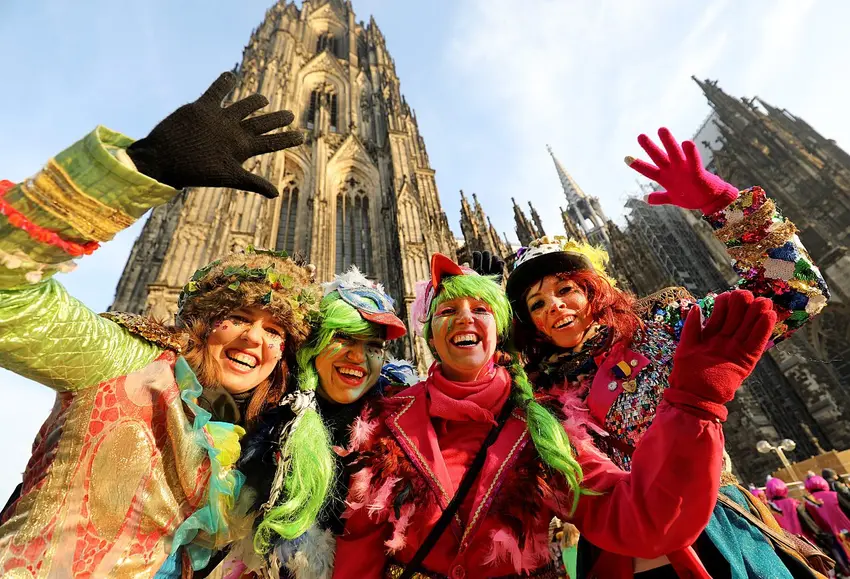
Germany’s Carnival season is expected to generate almost €2 billion in revenue this year, with pubs, hotels, retailers and transport services benefiting from the annual festivities.
According to a report released Monday by the German Economic Institute (IW), Cologne remains the economic powerhouse of the celebrations, accounting for €850 million – around 40 percent of total sales.
READ ALSO: Cologne Carnival - The Local's essential guide
This year’s session is unusually short at just 100 days, ending on February 18th due to an early Easter. As a result, revenues are projected to fall more than €100 million short of last year’s longer season.
The catering sector stands to gain the most, with about €900 million in sales, followed by retailers at €400 million, transport providers at €290 million and hotels at €210 million. Events and float construction contribute an additional €162 million.
IW economist Marc Scheufen praised Carnival’s social and economic value, noting that Cologne also sees the steepest hotel‑price increase – up 66 percent during peak days.
Rubio to lead major US delegation at Munich Security Conference
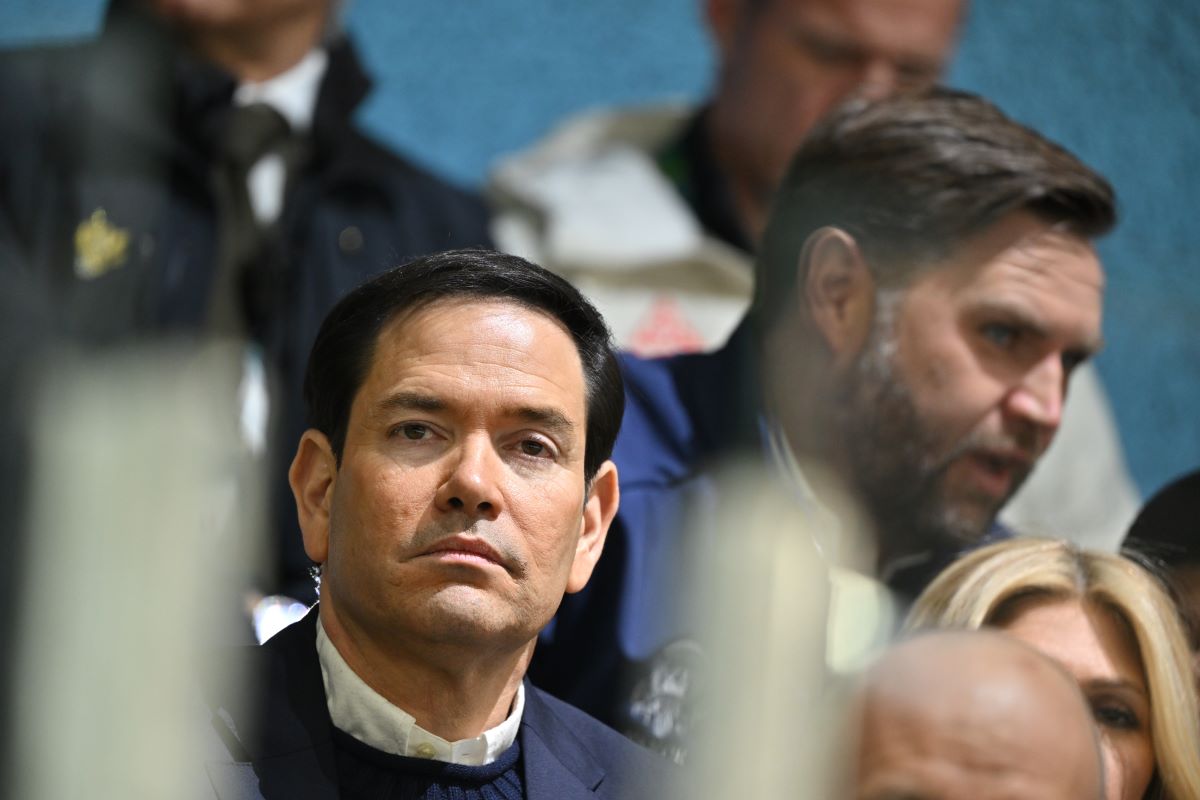
US Secretary of State Marco Rubio is set to head a large American delegation to this year’s Munich Security Conference, with organisers expecting transatlantic tensions and shifting global power dynamics to dominate the agenda.
More than 60 heads of state and government and around 100 foreign and defence ministers will attend the gathering from February 13th–15th.
Last year’s conference was shaken by a fierce speech from US Vice President JD Vance, who attacked Europe’s policies on democracy, immigration and free speech.
READ ALSO: US Vice-President Vance clashes with Germany over far right
Event chairman Wolfgang Ischinger signalled that no repeat is expected, saying Rubio is likely to focus on US foreign policy rather than domestic critiques of Europe.
Rubio will lead a delegation of about 50 members of Congress, roughly half of them Democrats, including California Governor Gavin Newsom, Michigan Governor Gretchen Whitmer and congresswoman Alexandria Ocasio‑Cortez.
Ischinger warned that relations between Europe and the United States – strained by President Donald Trump’s assertive foreign policy – will be central to this year’s discussions.
He said the post‑1945 international order, previously upheld by Washington, is now “being demolished, so to speak,” under the new US leadership, prompting deep concern among allies.
Germany climbs corruption index as global standards deteriorate
Corruption is worsening worldwide, according to the latest Transparency International report, which shows Germany rising to tenth place – but largely because other countries have slipped.
The organisation said on Monday that democracies such as Australia, Ireland and Uruguay have seen significant declines, driven in part by gains of right‑wing nationalist and populist parties that weaken anti‑corruption safeguards.
The Corruption Perceptions Index (CPI), which assesses public‑sector corruption in 182 countries on a scale from 0 (highly corrupt) to 100 (very clean), reached its lowest global average in more than a decade at 42 points.
READ ALSO: 'Cash for visas' - Why the Munich immigration office is facing corruption allegations
Denmark tops the ranking for the eighth consecutive year, followed by Finland and Singapore, while South Sudan and Somalia remain at the bottom.
Transparency International Germany warned that political efforts to reduce bureaucracy could risk undermining oversight mechanisms. With new federal special funds being deployed, the organisation argues that Germany now needs stronger controls – not fewer – to prevent backsliding.
False AI biographies of German stars flood Amazon
A wave of cheaply produced, AI‑generated biographies is inundating online bookstores, raising concerns about misinformation and the exploitation of well‑known personalities.
An investigation by NDR found that Amazon is selling dozens of thin, crudely designed booklets – typically around 100 pages and priced at €16 – purporting to be biographies of public figures such as journalist Oliver Schröm, Zeit editor Alice Bota, and footballer Thomas Müller.
READ ALSO: Clickbait and 'AI slop' distort memory of Holocaust in Germany
All three confirmed they had no knowledge of the publications.
The supposed author, “Christine Hofmann,” appears untraceable despite publishing numerous titles within weeks. Analysis tools show the texts are almost certainly machine‑generated, with formulaic chapter headings, bombastic prose and frequent factual inaccuracies.
For lesser‑known figures, AI systems appear to invent family members, backgrounds and entire career episodes.
The books are distributed through Amazon’s print‑on‑demand system, which requires no publisher and minimal oversight. Although Amazon says it enforces content guidelines and removes violations, it does not currently label AI‑generated works and offers only an English‑language reporting form for complaints.
With reporting by AFP.
Comments