
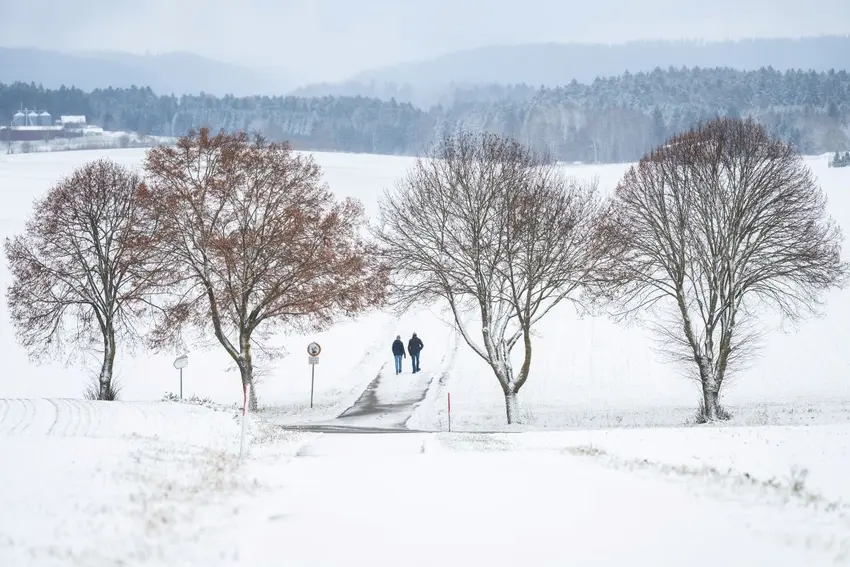
Inside Germany is our weekly look at some of the news, talking points and gossip in Germany that you might've missed. It’s published each Saturday and members can receive it directly to their inbox by going to their newsletter preferences or adding their email to the sign-up box in this article.
Despite all of his off-colour remarks that grab headlines, and spark protest, it’s the pension problem that is the biggest thorn in Chancellor Friedrich Merz’s side these days – and by a long shot.
Merz, who had regularly criticised former Chancellor Olaf Scholz and his traffic light coalition for failing to govern effectively, is now learning exactly how hard it is to do so. And from the looks of it, he’s not doing so hot.
This week, the top stories on German news sites have revolved around near-constant updates on the pension debate, and some have begun to question if a failure to find agreement here could spell the end of Merz’s black-red government.
A report published by Rheinische Post on Friday wrote: “If there is no majority for the law in the Bundestag in December, Merz could already face a vote of confidence after only a good six months in office.”
So what’s this all about?
In their coalition agreement, Merz’s conservatives (CDU/CSU) and the centre-left Social Democrats (SPD) agreed to keep the pension level stable at 48 percent until 2031.
The pension level represents how much an average earner gets in monthly pension payments – currently a worker in Germany with an average salary who has contributed to the pension for 45 years can expect to receive a monthly check for about 48 percent of their previous salary for the rest of their life.
In simple terms, a debate has erupted between the SPD, for whom reducing the pension level is beyond a red-line, and some CDU party members (especially from its youth party) who say that maintaining the level is unfair on the younger generation.
As a Local columnist recently explained, the issue is unlikely to be resolved by coalition politics. Germany’s pension system is set to go deeper and deeper into the red as the country’s population continues to age. Meanwhile politicians, fearful of losing pensioners’ votes, are reluctant to pitch a pension reform significant enough to balance the books.
OPINION: Why Germany’s pensions problems will soon be your problem
For what it’s worth the majority of German voters seem to agree that the country’s current pension policy is misguided. ZDF’s ‘Politbarometer’, a nationwide survey, found that 71 percent of all voters, including 62 percent of those over the age of 60, believe the current pension policy places too much of a burden on young people.
Military service
Another issue on the minds of many young Germans at the moment is if they might have to spend a year or more of their formative years in uniform.
With the government’s new military service (Wehrdienst) model moving forward, the debate is intensifying – both about the principle of encouraging (or maybe requiring) young men to serve, and around certain practicalities, like the medical examination involved.
The Left Party is already reintroducing the concept of the conscientious objector (Kriegsdienstverweigerer) into German society, positioning itself as a resource for those seeking to avoid compulsory service (and receiving criticism in the process).
The party aims to offer advice and support, including “tips and tricks” for those facing conscription.
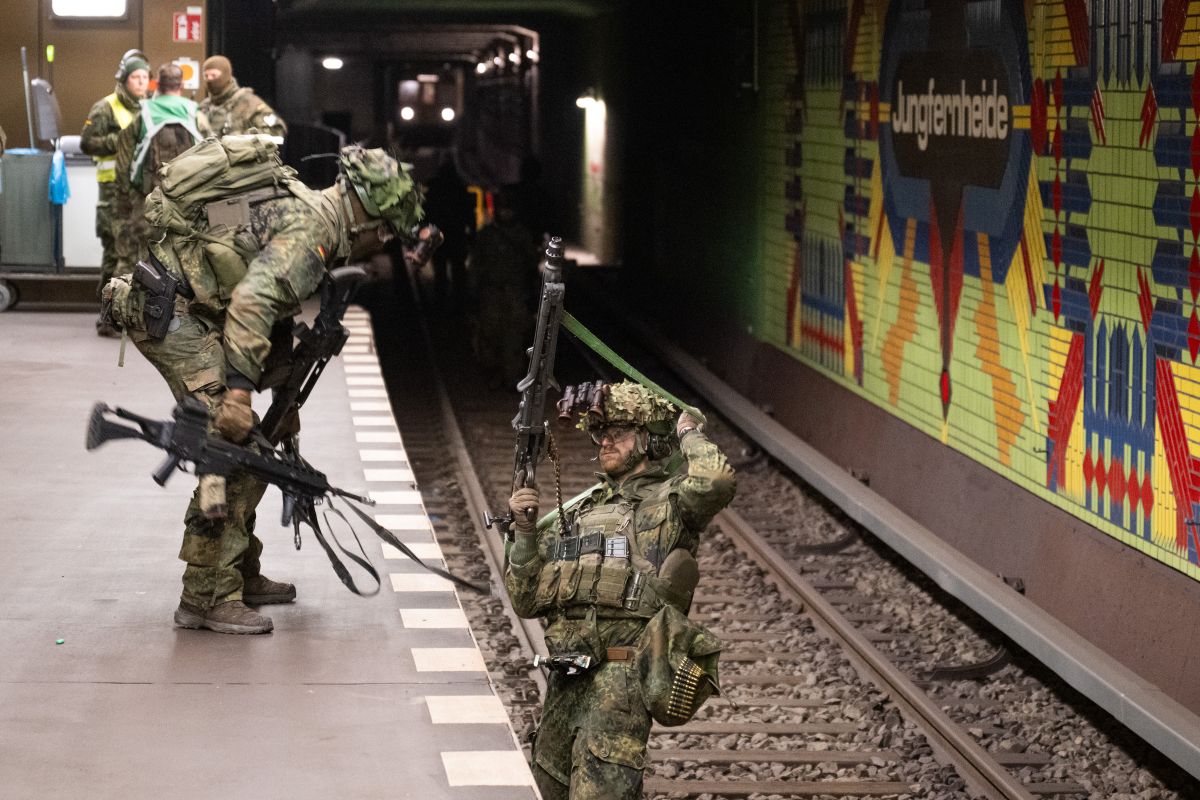
Meanwhile, the Bundeswehr has begun ramping up training exercises recently, including in public places – like a Berlin U-bahn station this week.
Photo of the week:
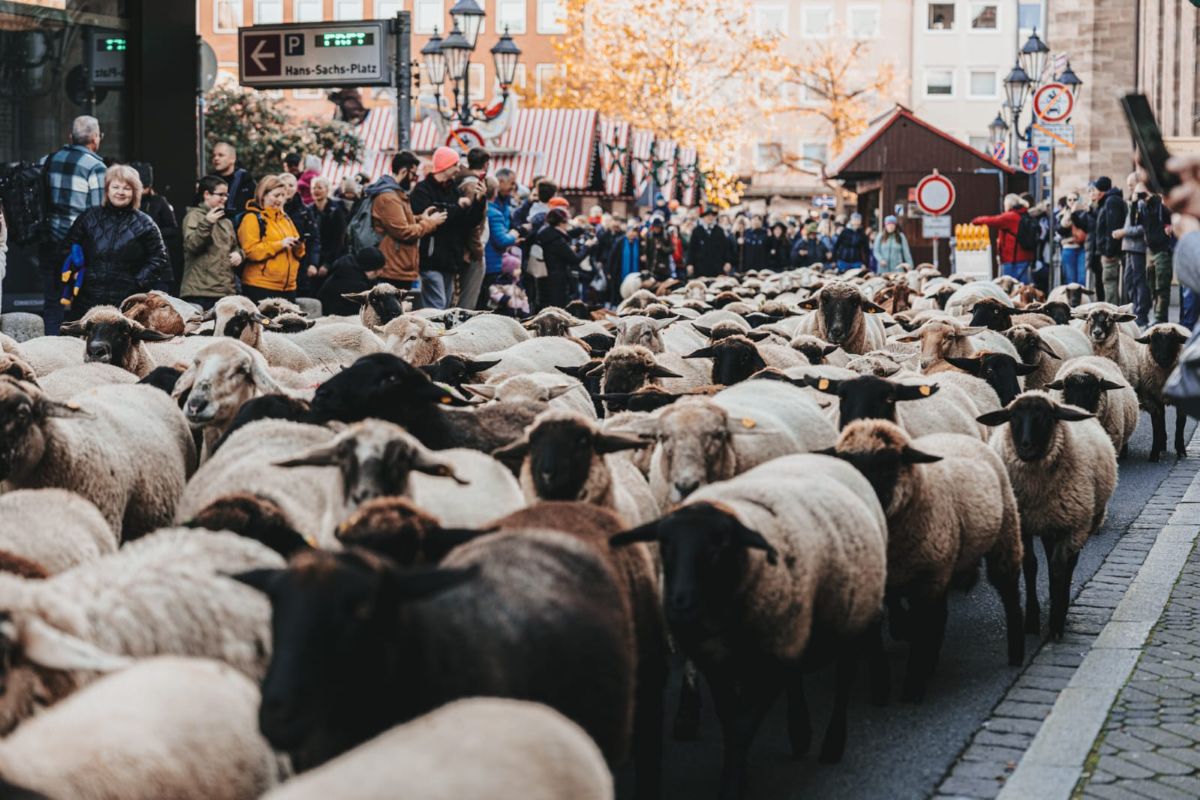
This week's feature photo comes from a reader of The Local who lives in Nuremberg where he practices portrait photography part-time as well as singing for the city's Staatstheater.
This year he managed to catch the marching of sheep through Nuremberg's central market square. The event is a local tradition that occurs around this time each year when one shepherd's sizeable flock needs to be moved from their summer grazing areas to winter pastures on the far side of the Franconian capital.
The process of herding hundreds of sheep through the centre of an urban hub makes for quite a spectacle, one that locals line the streets to witness.
The very same streets that were flooded with fluffy ewes and rams last Sunday will soon be packed with people sipping Glühwein and eating Lebkuchen, as the city's Christmas market – which is Europe's largest – kicks off at the start of the Advent.
Speaking of which, now's a good time to make any holiday plans for the coming season if you haven't already. Of course visiting a new winter or Christmas market is always recommended. With thousands across the country, including some with quite unique themes (Heavy-metal blood-drive Christmas market anyone?), there's always more to be found.
And, in Germany, there are plenty of alternative seasonal experiences to be had. If you take a trip to Munich in early December, for example (or any Bavarian village), you might be lucky enough to catch a glimpse of Der Krampus.
Or, for a break from holiday-related festivities, you could always try a floating sauna or a traditional winter activity like Eisstockschießen instead.
READ ALSO:
- Christmas calendar - All the German holiday traditions you wont want to miss
- Five unforgettable experiences to try this winter in Germany
With reporting by Tom Pugh.
Comments