
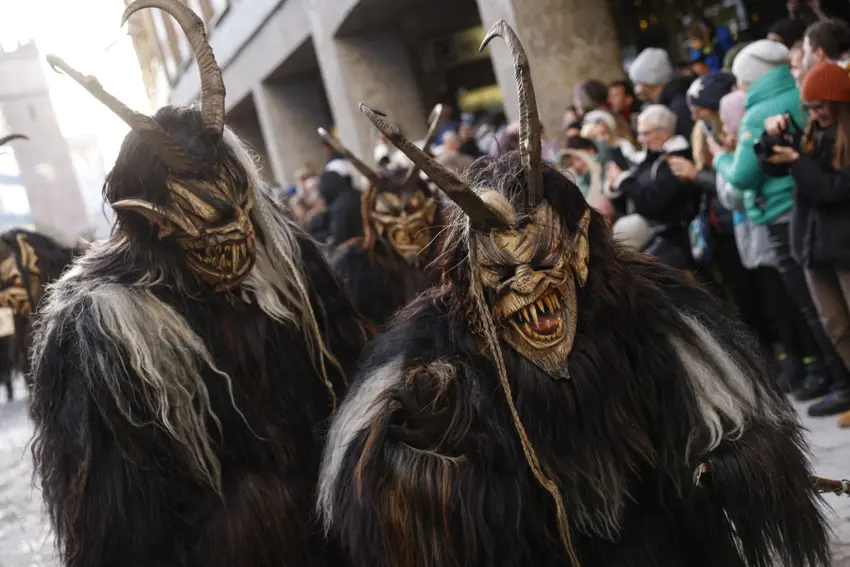
Der Krampus is a horned demon character who is seen in parts of Germany and Central Europe during the Christmas season.
Traditionally, Krampus might be seen on the evening before Saint Nicolas Day, especially in villages in Bavaria and the Upper Palatinate, as well as in Austria and around the Tyrolian Alps.
The Krampus is a grotesquely awesome sight to behold. It comes in a wide variety of faces and looks, but typically has horns, a devil-ish face, long hair or fur and is often wearing chains or bells that make noise as it walks.
Legend has it that the Krampus (also called Kramperl or Bartl) is a kind of companion to St. Nicolas. But while the saint is busy rewarding good children with sweets, Krampus is there to frighten the naughty children - and even whisk them away to his mountain lair.
There is also a game in this, in which children try to approach or even taunt the Krampus without getting caught.
Where to find the Krampus
For those who wish to see the Krampus, the best place to do so is at one of the public “Krampus runs”, called a Krampuslauf in German.
These Krampus runs range from small events at villages throughout the alpine region to large international events at bigger cities like Munich or Salzburg. They also range in intensity and rowdiness, with some of them designed to be family friendly events and others known for becoming alcohol-fuelled parties.
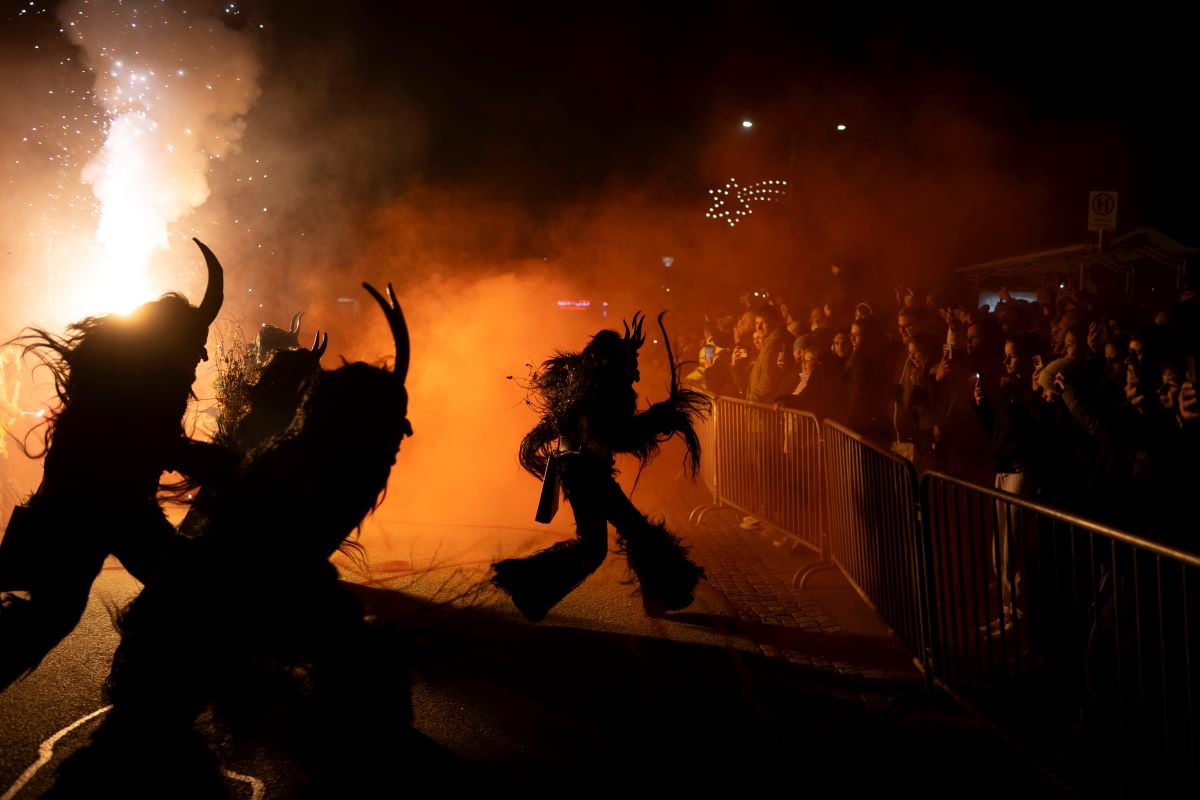
Here are a few of Germany’s more accessible Krampus events you can attend this year:
Munich’s Krampus run
This year the Krampuslauf in Munich will take place on Sunday, December 8th, near Marienplatz from 3 to 5 pm.
Among the largest of the Krampus runs, the event feels a bit like a parade with at least 25 different groups and 300 devil-ish characters participating.
The course starts on Sendlinger Straße and then follows Rosental to an end point near the Old Town Hall at the edge of Munich’s central Christmas market.
The run attracts up to 50,000 people each year, which means the route really fills up with onlookers. So be sure to arrive early to find a good street-side spot for the best view.
READ ALSO: Why is Nikolaustag celebrated before Christmas in Germany?
See Krampus and Büttnmandl in Berchtesgaden
Set firmly in the German Alps, the “Büttnmandl run” in Berchtesgaden is perhaps a step closer to the old tradition than the more touristy run in Munich.
Büttnmandl is another Krampus-like creature celebrated in this region. It’s named for the word buttn, which means rattling or shaking, because the Büttnmandl are often covered in swaths of hay or dry grass that rustles as the creature moves about.
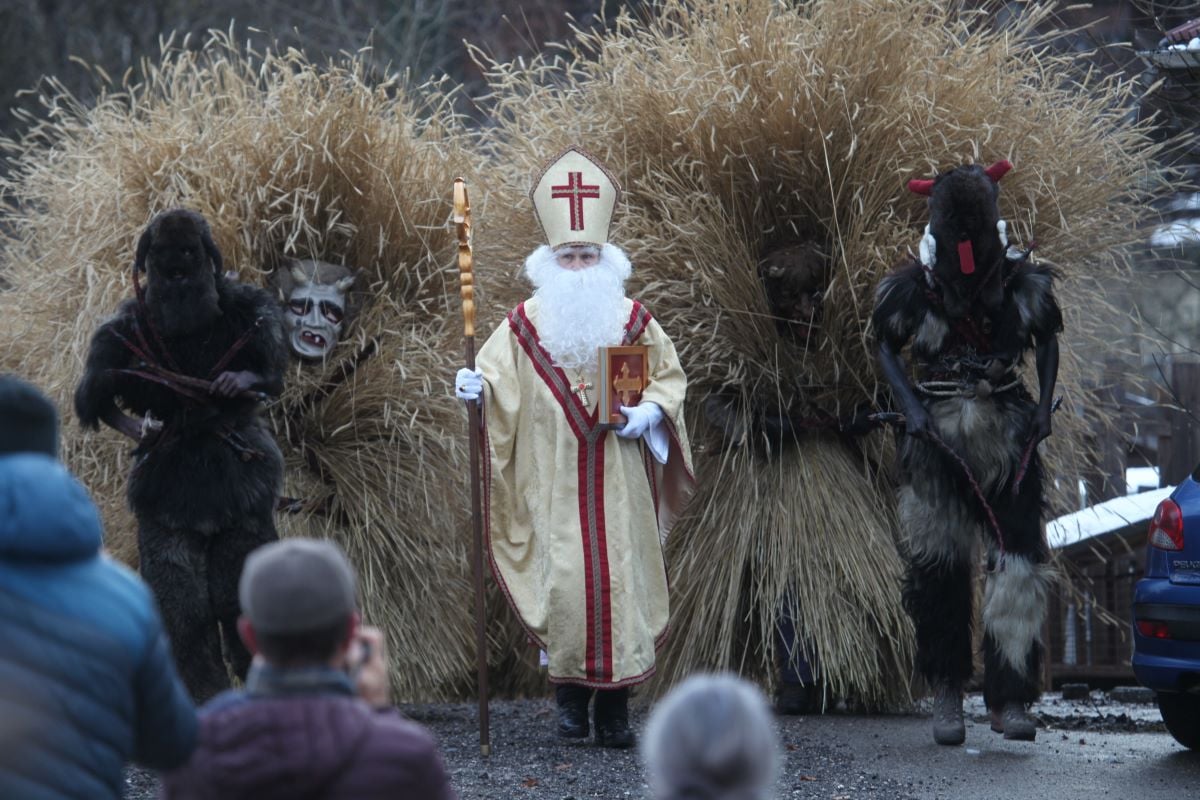
While the traditional Krampus and Büttnmandl events in this region are celebrated privately by local residents, there is an annual Büttnmandllauf organised by local members of the German Armed Forces that is open to the public, which takes place on the eve of Saint Nicolas Day.
Smaller Krampus runs
There are also Krampus runs and events to be found in other cities and villages, especially in Bavaria and Germany’s southern mountainous regions. If you happen to be in the area, you could always head to the nearby Christmas market around sunset on December 5th to see if the Krampus is on the prowl.
One such Krampus run, which is significantly smaller than that in Munich but still known to offer an authentic experience, takes place in Oberammergau.
A bit further north, there are regional Krampus runs to be found in the Oberfalz region of Bavaria (just east of Nuremberg), which includes cities like Regensburg or Neumarkt.
A local group called the Oberpfälzer Schlossteufeln (Upper Palatinate Castle Devils) organises Krampus events at various Christmas markets here.
Their next events are scheduled in Roding on December 6th, in Hainsack on the 7th and in Altdorf bei Nürnberg on the 14th. You can find more information on their website.
Comments