
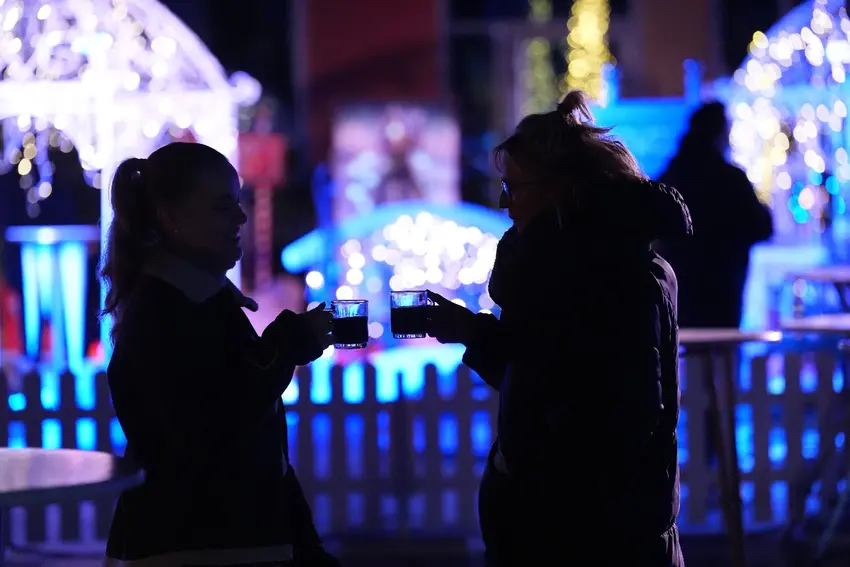
December is a tough month in Germany. Or it would be, if not for the festive holiday season, which arrives just in time to combat the increasingly dark and dreary weather with a touch of sparkle and warmth.
That's right: the twinkling lights, Glühwein and Lebkuchen sure helps to get northern Europeans through this time of year. Here are the dates to get in your diary so you can enjoy the festivities, whether you live in Germany or are visiting this season.
Christmas markets
Germany has a wide and diverse selection of Weihnachtsmärkte, from small locally organised events to larger ones. Some winter markets have already opened their stalls while others wait until the last week of November.
This year, many of Germany's larger markets are opening on the week beginning November 24th. Grab your gloves (Handschühe) and get ready for the action!
READ ALSO: When are Germany's Christmas markets opening in 2025?
Advent Sundays: November 30th-December 21st
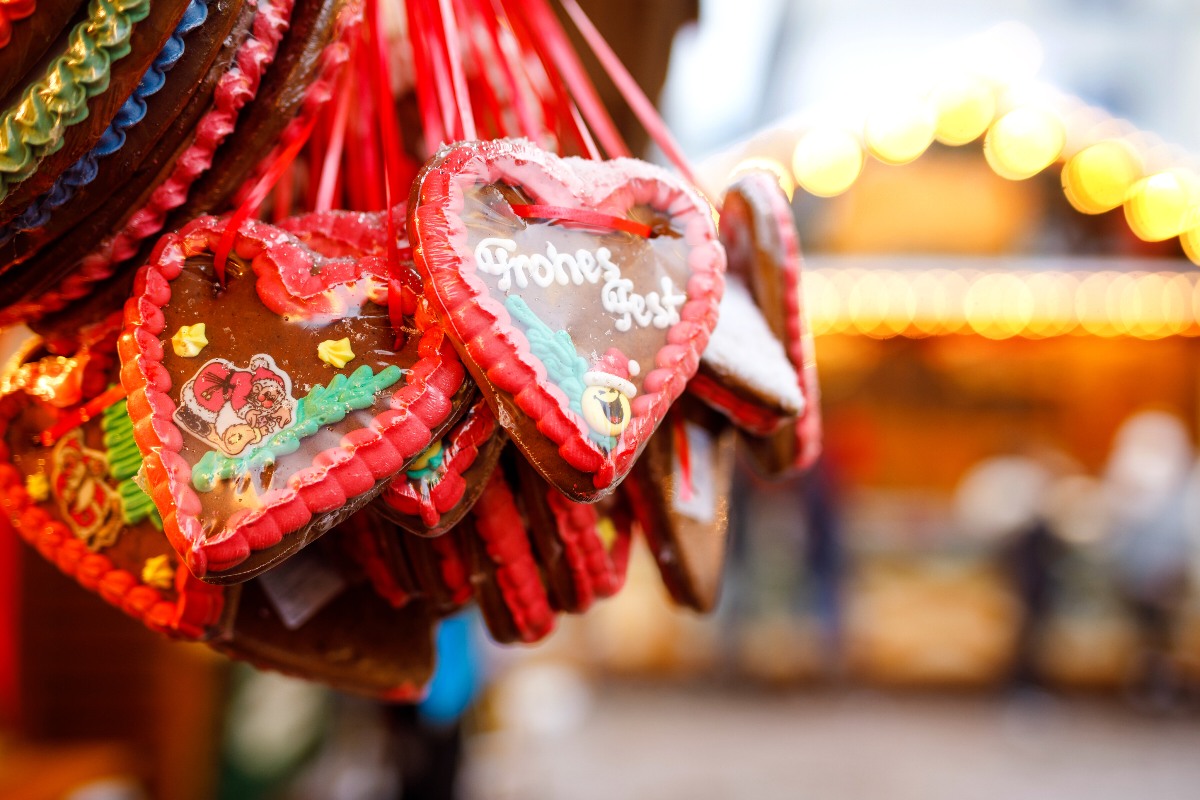
The Advent season officially begins on the first Sunday of Advent, which in 2025 falls on November 30th.
This marks the start of the four-week period leading up to Christmas. German families traditionally mark this time by baking biscuits, meeting up with friends for hot chocolate, decorating their home and preparing an Advent wreath (Adventkranz) that holds four candles.
Traditionally, every Sunday a candle is lit, symbolising the countdown to Christmas. Families might also gather for a festive meal or visit to a Christmas market. Carol singing also happens so keep an ear out for Silent Night (Stille Nacht) and other classics.
READ ALSO: Five German Christmas songs to improve your German language skills
Advent Calendar: December 1st-24th
Another cherished tradition is der Adventskalendar, which dates back to German Lutheran culture of the 19th century. Early versions of the tradition are said to have included marking the countdown of days with chalk lines on doors.
Later, calendars had a series of flaps or doors, one for each day of the season. They revealed an image, poem or part of a story when opened. On the 24th and final day – Christmas Eve – the image would be revealed in full.
Nowadays, advent calendars are known around the world and are often filled with chocolate. But you'll also find pricier versions in stores featuring perfume, make-up or toys behind each of the doors.
St Barbara’s Day: December 4th
St. Barbara’s Day or the feast of St. Barbara on December 4th is marked in parts of Germany as well as in several other Roman Catholic and Anglican countries, such as Italy, France, Austria and the UK.
In the Rhineland region of Germany in particular, children even used to put polished shoes and boots outside their door on the eve of December 4th ahead of St Barbara's Day – rather than two days later on St Nicholas Day.
A lesser-known but still charming tradition is cutting twigs from cherry or forsythia trees, known as Barbarazweig, translated literally to 'Barbara branch'. If these twigs bloom by Christmas, it’s said to bring good luck or even signal that a marriage in the family will arrive in the coming year.
Krampus: December 5th
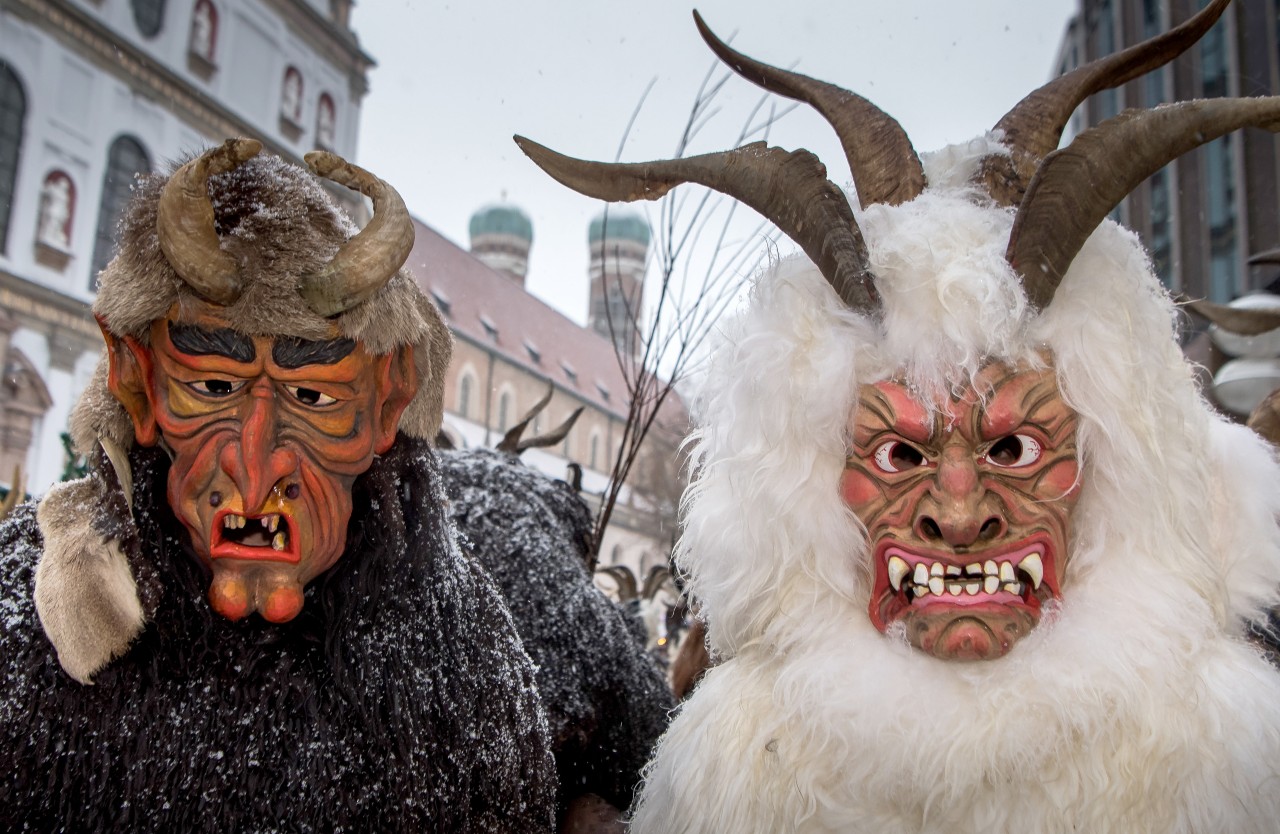
One of the most famous southern German traditions is the arrival of Krampus on December 5th. Who is Krampus, you may ask?
Der Krampus is a horned demon character spotted in parts of Germany and Central Europe during the Christmas season.
Traditionally, Krampus might be seen on the evening before Saint Nicholas Day, especially in villages in Bavaria and the Upper Palatinate, as well as in Austria.
On Krampusnacht, people dress up in terrifying costumes and parade through cities and villages in an event known as Krampus run (Krampuslauf).
READ ALSO: Where to see Krampus in Germany
St Nikolaus: December 6th
Following Krampus, St. Nicholas visits during the night of December 5th to 6th.
This tradition dates back to Nicholas of Myra (now the Anatolia region of modern Turkey), who died on this day in 346. He was a Greek Christian bishop known for miracles and giving gifts secretly, and is now the patron saint of little children, sailors, merchants and students.
St. Nikolaus brings sweets, peanuts, and tangerines to well-behaved children.
Families in Germany place their polished shoes or boots outside the door in the evening, and by morning, they’re filled with treats.
READ ALSO: Why is Nikolaustag celebrated before Christmas Day in Germany?
Christmas Eve and Christkind: December 24th
The highlight of the Christmas season in Germany is Christmas Eve.
While in some countries, like the US and the UK, Christmas Day is the primary event, in Germany December 24th is the star of the show.
Traditionally, Germans decorate their Christmas tree on this day. Families then gather in the evening for a festive dinner. The meal can vary widely depending on regional and family traditions, with dishes ranging from potato salad with sausages (Kartoffelsalat mit Würstchen) to fish.
In Germany, the gift giver depends on family traditions and the customs connected to where they live. It might be Weihnachtsmann (literally Christmas man), which is more common in the north and east – or Christkind (an angelic blonde figure) more common in the south and west.
But other families in Germany might have Santa Claus coming down the chimney.
READ ALSO: 10 food and drink treats you have to try at a German Christmas market
First and Second Christmas Day: December 25th and 26th
Though Christmas Eve contains the most significant part of the celebrations, the following two days – known as Erster und Zweiter Weihnachtstag – are also important.
On Christmas Day, Germans continue to enjoy the festivities with family gatherings, festive meals (roast goose is a favourite) and more gift exchanges.
December 26th is also a public holiday in Germany, and it's traditionally another day for people in Germany to relax and spend time with loved ones.
New Year's Eve and New Year's Day
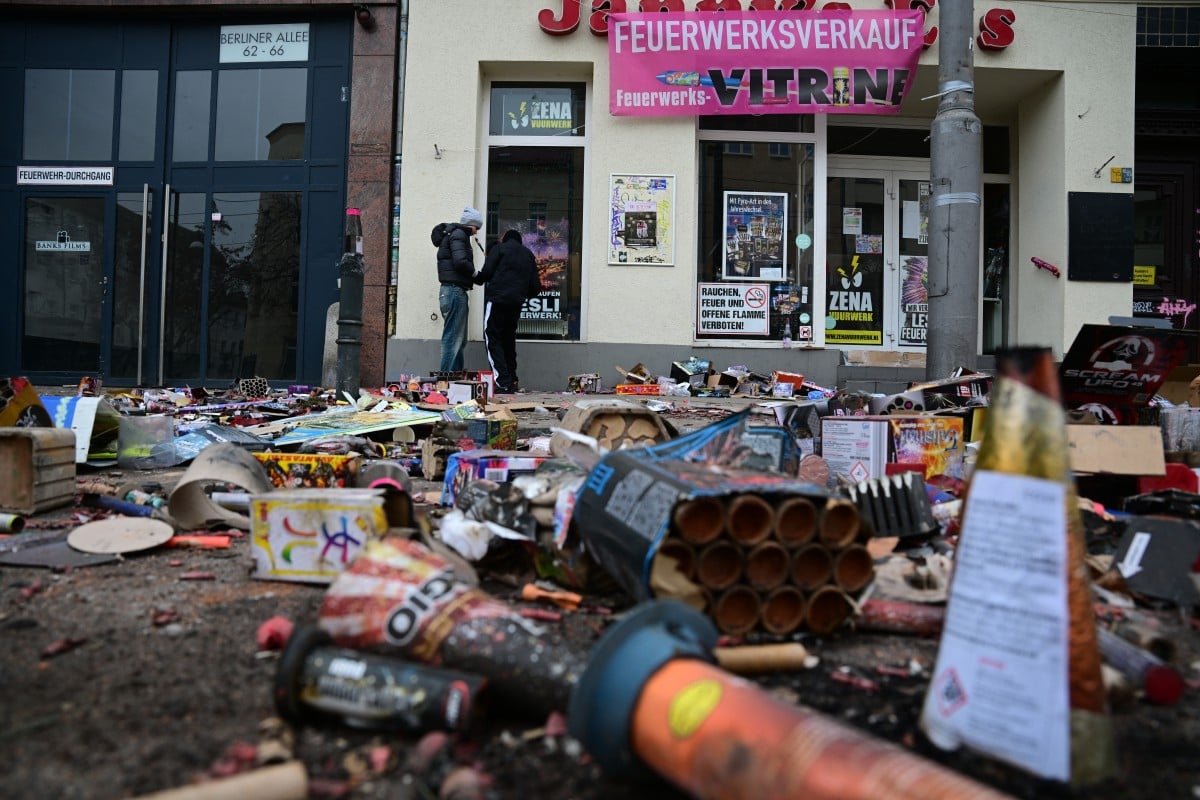
If you've spent time in Germany on December 31st, you'll know Silvester is rather, erm... lively. Indeed, the German love of setting off fireworks from balconies, gardens or on the street knows no bounds.
Other traditions to ring in the new year include watching an old British sketch show called Dinner for One and eating jam-filled doughnuts (called Pfannkuchen in Berlin, Krapfen in the south and sometimes Kräppel or Berliner elsewhere)
On New Year Day, many choose to relax and watch a movie or take a long walk. Hopefully the fireworks are over by this point.
Epiphany: January 6th
Just a few days later, it's Tag der heiligen Drei Könige or Dreikönigstag (Three Kings Day or Epiphany). The religious holiday is marked on January 6th each year, and signifies the end of Christmas time. Christmas markets usually close by this date, and many people take down their festive decorations before or on this day.
It's actually a public holiday in three states – Baden-Württemberg, Bavaria and Saxony-Anhalt. In 2026 this event falls on Tuesday, so employees based here will get the day off.
And with that, it will be time to get into the new year!
READ ALSO: How employees can make the most of Germany's public holidays in 2026
Comments