
Nikolaustag is coming up on December 6th. But did you that there's another patron saint celebrated by Germans this week?
St Barbara’s Day or the feast of St Barbara on December 4th is celebrated in parts of Germany as well as in several other Roman Catholic and Anglican countries, such as Italy, France and the UK.
In the Rhineland region of Germany in particular, children even used to put polished shoes and boots outside their door on the eve of December 4th ahead of St Barbara's Day – rather than two days later on St Nicholas Day.
The boot was then filled with sweets and fruit. The tradition was especially popular in the Cologne-Bonn area and on the Lower Rhine in the early 20th century up until the 1960s.
READ ALSO: Why is Nikolaustag celebrated before Christmas in Germany?
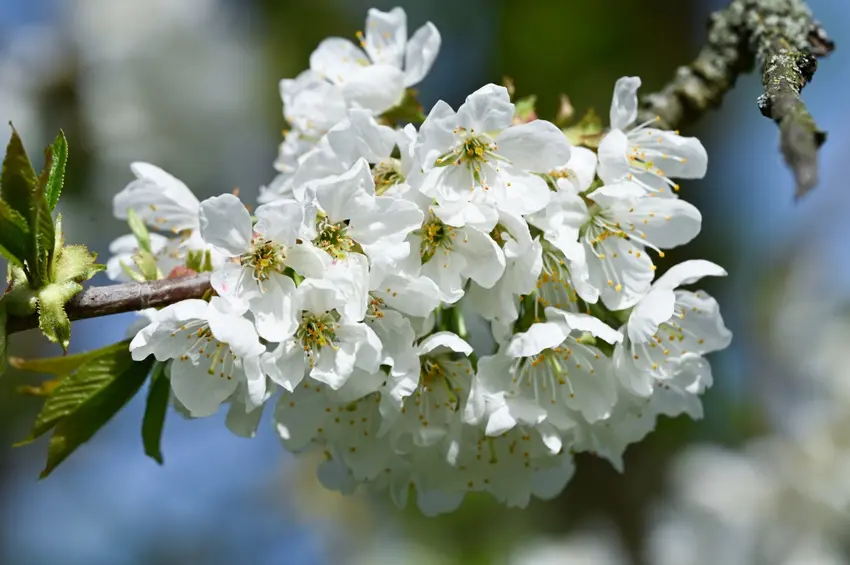
Nowadays, another custom connected to St Barbara remains popular. People in German-speaking countries cut branches from cherry, apple or plum trees on December 4th – the memorial day for St Barbara – and place them in a vase in water. The buds, which with a bit of luck burst open on Christmas Eve, are said to symbolise the blossoming life that God brings into the world with baby Jesus.
Taking part in the custom of Barbarazweig, translated literally to “Barbara branch" is said to bring good luck for the coming year.
However, the tradition is said to date back even further. Many say it has its roots in the pagan ideas of the Germanic tribes about the winter solstice and may have even given rise to the modern traditions of Christmas.
The twigs for St Barbara can be seen as a pioneer on the path from the winter decorations of pre-Christian times to the Christmas tree, which spread from Germany throughout the world from the 19th century onwards.
READ ALSO: How Germany invented Christmas as we know it
Who was St Barbara anyway?
Saint Barbara is believed to be the daughter of a merchant who was imprisoned due to her father’s disapproval of her conversion to Christianity. On her way to the dungeon, a cherry branch got caught in her dress. Every day of Barbara’s sentence, she provided the cherry branch with lots of water until the day of her execution, said to be on December 4th, when the branch finally bloomed.
While the legend describes a cherry branch, nowadays apple or plum branches are used, as well as other garden shrubs such as blackthorn, forsythia, and hazelnut.
How can I take part in the custom?
Immediately after cutting off a branch or a few (for extra luck of course), place them in a freezer for around 12 hours, then place them in lukewarm water overnight.
Finally, place them in a vase with room temperature water and you can (hopefully) watch them bloom in the coming weeks. Make sure to change the water every three to four days.
READ ALSO: Christmas calendar - all the German holiday traditions you won't want to miss
Comments