
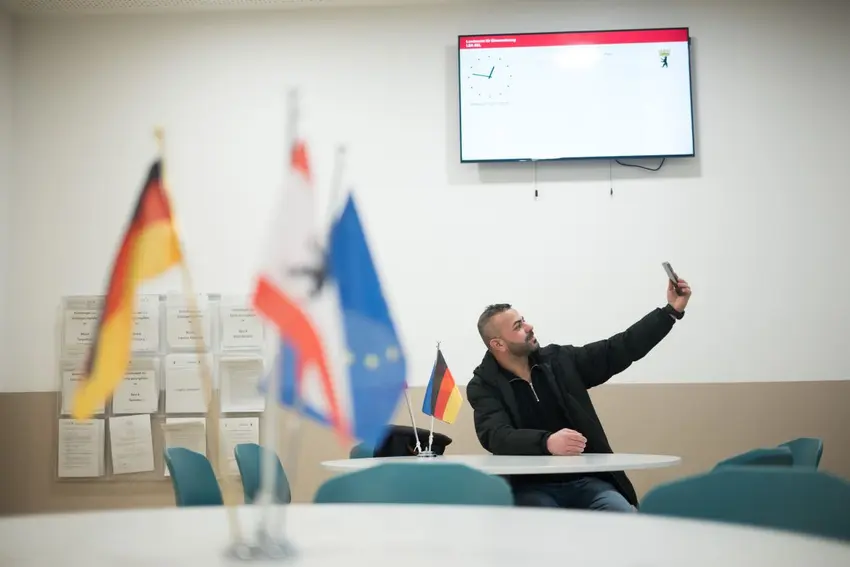
New online visa application portal
It’s a new year and a newly digitalised Germany! Well, that may be a bit of an overstatement as residents can still expect an unfortunate number of important documents to arrive by post.
But for those living abroad who will apply for residence permits to work, study or reunite with their families this year, there is a new online portal to do so.
Germany’s Foreign Office announced on January 1st that the online service portal was extended to cover all of Germany’s 167 visa departments at German missions worldwide.
READ ALSO: Q&A - What is Germany's new online visa portal and how can I use it?
Visa applicants this year can choose between submitting their initial application with the portal online, or submitting a physical application at their local German mission. In either case, applicants will need to visit their closest German mission after their initial application has been approved to verify their identity and provide biometrics.
Still, the digitalised process will hopefully cut down the time and paperwork required to submit applications for residence permits.
New EU Blue Card rules
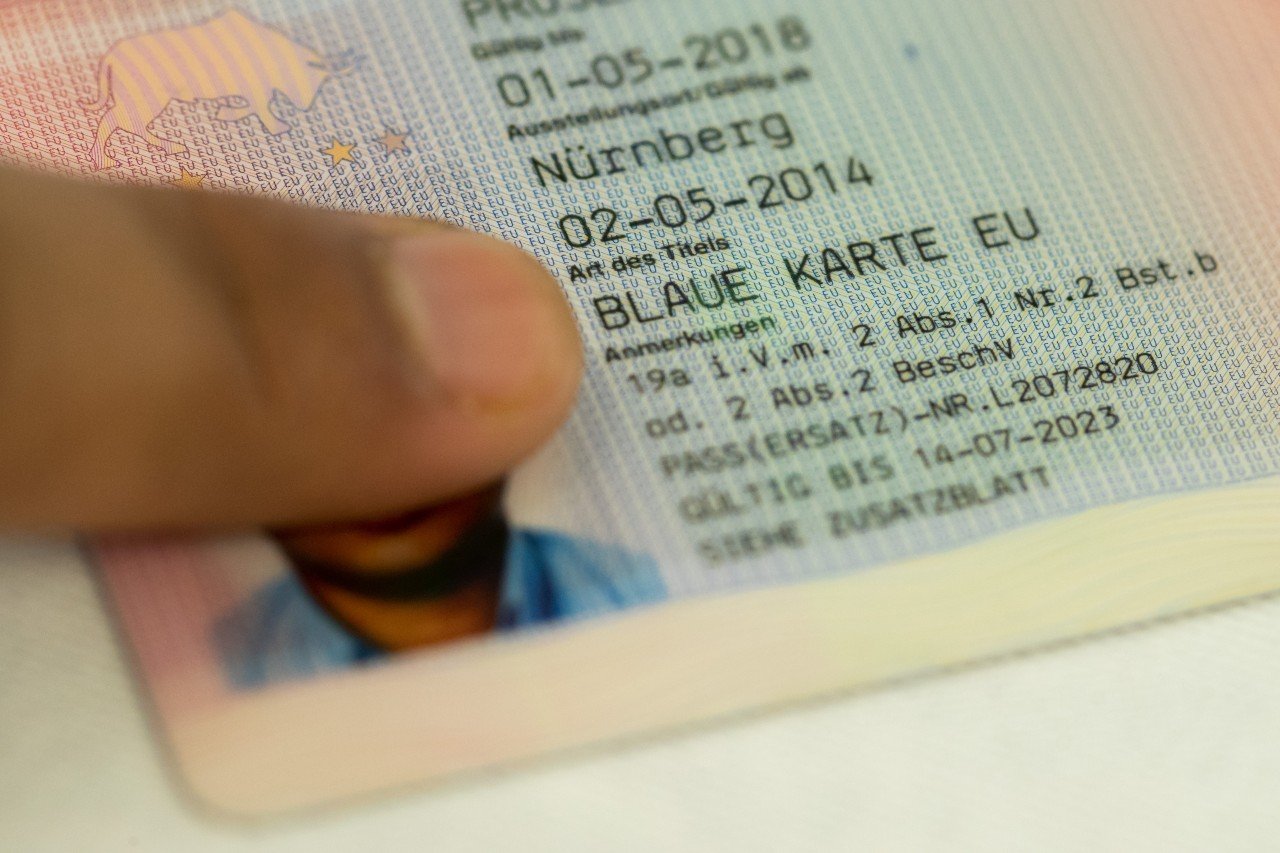
Salary requirements to get an EU Blue Card in Germany have been adjusted since January 1st.
You’ll need to earn a gross annual salary of at least €48,300 to qualify for a Blue Card this year (up from €45,300 in 2024).
Or, if you are employed in a ‘bottleneck profession’ – such as IT, STEM, construction or education, among others – then you’ll need a salary of €43,759.80 or more.
READ ALSO: What you need to earn to get an EU Blue Card in Germany in 2025
More visas for Indian skilled workers
Germany has announced that it will grant more residence permits this year, at least for one target group of aspiring immigrants in particular.
Specifically, Germany is ready to approve up to 90,000 work visas for skilled workers from India in 2025 – that’s up from a cap of 20,000 previously.
According to statistics from the Foreign Office, Germany’s consulates issued a total of 79,000 visas of this type worldwide in 2023.
READ ALSO: Q&A - How can Indian citizens get a visa for Germany in 2025?
The change was announced by Chancellor Scholz and India’s Prime Minister Narendra Modi in October of 2024.
Travel visas required to visit the UK
This isn't a German rule - but may affect foreigners living in Germany. The UK is introducing a required visa waiver, called the Electronic Travel Authorisation (ETA), for visitors this year.
This wont affect immigration into Germany, but does affect any German residents or citizens who plan to travel to the UK – a common trip for many.
The ETA requirement is being rolled out in stages:
Any non-EU citizens living in Germany who will travel to the UK will need to apply for a £10 ETA visa starting from Wednesday, January 8th. This includes citizens of former British colonies, such as; Americans, Indians, Canadians, Australians and New Zealanders.
Citizens of EU and EEA countries will need an ETA to enter the UK from April 2nd, 2025.
Political party proposals to keep an eye on
Now that political parties have entered full-blown campaign mode, ahead of a snap federal election on February 23rd, we are hearing about some significant immigration policy proposals.
These proposals will remain just that, mere suggestions, for the time being (at least until a new government coalition is formed and they begin debating them). But there are some that would drastically affect foreign residents in Germany if they became law in future.
Here are a few of the significant ones to be aware of:
The conservative bids to revoke dual citizenship and tighten immigration
The Union, Germany’s leading conservative party comprised of the Christian Socialists in Bavaria and the Christian Democrats everywhere else (CSU/CDU), has called for walking back the dual citizenship law since it was enacted in June of last year.
CDU leader and chancellor candidate, Friedrich Merz, has recently confirmed that he would like to see the previous requirements for naturalisation in Germany returned. This would mean that dual citizenship would only be allowed for EU nationals and in exceptional cases.
If the whole law was reversed, it would mean that foreign residents would typically need to reside in the country for eight years - not five years - before being eligible to naturalise on the standard route.
Whether or not the Union would have enough parliamentary support to revoke the law is not certain, but you can expect to hear more about possible citizenship law changes through to the February election, and likely again after a new coalition government has formed.
READ ALSO: How the conservatives want to gut Germany's dual citizenship reform
Merz has also proposed making it possible to revoke German citizenship in more cases, such as for people who have committed criminal offences.
The Union’s campaign manifesto also suggests tightening asylum policies, such as freezing asylum admissions at the border.
Social Democrats aim to continue promoting immigration for skilled workers
The traditionally left-leaning Social Democrat Party (SPD), as well as the Greens, can be expected to push back on the Union’s efforts to roll back the dual citizenship law, as they were the parties that led the charge on getting it passed.
As it stands, the Social Democrats are the most likely party to join the Union in the next coalition since they hold the third-largest share of votes in recent polls. (The far-right AfD party has the second most votes in current polls, but the Union and other parties have so far refused to work with them).
Along with defending the citizenship law, the SPD can be expected to continue trying to encourage immigration of skilled workers.
READ ALSO: 'Fight for every job' - Social Democrats appeal to workers in German election manifesto
The SPD’s immigration policies can perhaps best be summed up as trying to walk the line between opposing “illegal immigration”, but also supportive of efforts to integrate foreign workers. In terms of real policies, this stance has resulted in more visas for skilled workers from India (as mentioned above) and the creation of the Opportunity Card visa, among others.
If the SPD retains a strong showing in the next Bundestag, you might expect to see further efforts to reduce bureaucracy around immigration, and support foreign workers in their integration efforts.
Comments (1)