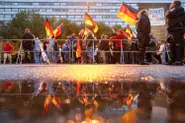
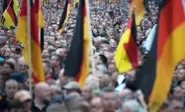
Violence against refugees is been far more prevalent in Germany’s eastern states, with asylum seekers in the former east ten times more likely to be victims of hate crimes. New research has shed light on the phenomenon, in the process debunking much of the established wisdom on xenophobia in western countries.
Xenophobic attitudes are increasing in Germany. According to a study by the University of Leipzig, almost one in three Germans now holds prejudices or dislikes against people from other countries.
Angela Merkel is known for tightly guarding her private life. But she made an exception for a group of young people when she confessed she had smuggled money from the West while on holiday in the Eastern Bloc, German media reports.
A suggestion that schools send students on
exchange between Germany's former East and West to heal persistent divides sparked debate on Monday, almost 30 years after the country's reunification.
On November 9th, 1989, the wall that divided east and west Berlin came down. At the time, there was exuberant joy over the border being opened. But are old divisions still being felt? And how different is the east from the west today?
By law, parts of the German government must still be based in the former West German capital of Bonn. But this divide involves additional effort and money, while sacrificing efficiency, according to a report presented on Tuesday.
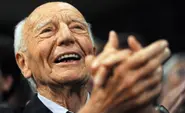
Former West German president Walter Scheel, who helped pave the way for his country's rapprochement with the communist East, has died aged 97, his party's spokesman said on Wednesday.
Germany recorded bigger numbers of people moving from western states to eastern ones for the first time since reunification in 2014, data published Monday showed.
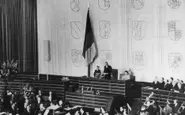
On September 7th 1949, the German Bundestag (Federal Parliament) met for the first time in Bonn. After decades of dictatorship, war and confusion, this assembly marked a new start for West Germany - in a brand new capital city.
A higher proportion of women work in the former eastern states than in the western states, a new survey showed on Wednesday, and experts say it has everything to do with Germany's divided history.
Tolerance of homosexuality has increased in nearly all German states since the fall of the Wall 25 years ago, but acceptance of immigrants who keep their traditions has declined, according to a study published on Monday.
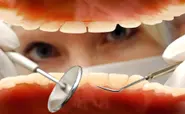
The divide between Germans in the former West and East even extends to teeth. Despite lagging behind in wealth and employment indicators, eastern Germans top the tables for dental hygiene.
Politicians expressed concern Sunday and called for light to be shed on a report that West Germany conducted systematic doping in sports in the 1970s backed by the government.