If you're planning any holidays, it’s a good idea to familiarize yourself with the labour laws when it comes to paid vacation days as an employee in Germany.
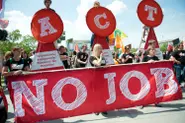
German career coach Chris Pyak explains why job seekers in the Bundesrepublik should pay attention to a particular cartoon if they're having trouble finding work.
Workers in Germany with so-called 'mini-jobs' have been declared "the biggest losers of the crisis", by a German economic think tank. AFP's David Courbet finds out more.
German is not always the most intuitive language in the world, and looking for a job can leave you lost in a sea of unfamiliar vocabulary. So here’s a chance to brush up on some of the words you’ll need most when you go job-hunting.
German unemployment unexpectedly
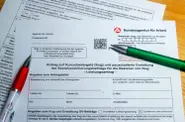
fell in November, official data showed Tuesday, but restrictions to curb the second coronavirus wave caused a jump in the number of people on short-time work.
The coronavirus crisis has prompted German firms to seek government-backed shorter hours schemes for a total of 11.7 million workers since March, official data showed Wednesday.
What does an average household in Germany surrender to the state every year? According to new research, employees don't work for their own wallet until mid-July.
The German government says it’s desperate to attract foreign talent to replenish its ageing workforce. But what's it really like to work here? Our readers weigh in.
Germany's jobless rate in April held steady at the lowest rate since reunification in 1990, official figures showed Tuesday, as the jobs boom in Europe's biggest economy held up despite signs of slowing growth.
Are you an international who's working in Germany? We want to hear about your experiences, and what you think the country could do better, for a series of upcoming articles.
Are you an English speaker in Germany? From positions that are sporty to those which are academic or creative, here's a comprehensive overview of the employment options you may not have considered.
A majority of Germans are in favour of a proposed rule change which would allow rejected asylum seekers to stay in the country if they were in work or education. Only 31 percent were against the proposals.
More newcomers are integrating into the German job market than expected, according to new figures. The biggest reason for their success? Language skills.
Daniel Günther, the Christian Democrat (CDU) Minister-President of Schleswig-Holstein, has said that people who have their asylum case rejected should have the chance to stay in Germany via a new immigration law.
A new study has revealed just how serious the problem of a lack of trainees in the German job market has become. More than one in three companies can no longer fill all their training spots.
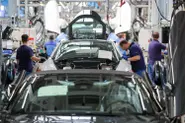
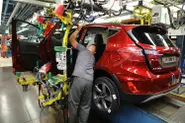
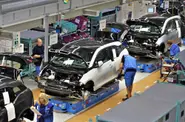
The growing use of electrified
vehicles is expected to cost Germany's crucial car sector some 75,000 jobs by 2030, a study found Tuesday, with smaller auto parts suppliers set to be worst
hit.
Almost 315,000 workers in the STEM (sciences, technology, engineering and mathematics) sector are lacking in Germany, according to a study published by an economic research institute on Monday.