More than 30 years after reunification, a new study has shown that a majority of Germans think that the country is disunited. But are there other signs that the nation may be splitting?
Thirty-two years after German reunification, dissatisfaction with German democracy is on the rise in the former East, while leaders of eastern German states warn that the energy crisis is jeopardizing the successes achieved in rebuilding since then.
Lots of progress has been made since German reunification - but there are still differences and division between east and west, according to a new report.
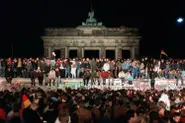
On October 3rd, Germany celebrates 30 years of reunification. But by that date in 1990, the cogs of reform had already been turning for quite some time. The Local looks at just what happened during this momentous year - from the night the Wall fell to the day two countries truly became one.
Almost 30 years on from German reunification,
the former East Germany has largely caught up with the west economically but
still has a lower level of trust in democracy, according to an annual report
presented Wednesday.
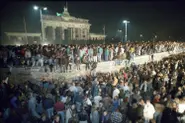
Three citizens of former East Germany recount how they experienced the fall of the Berlin Wall, from the joy of November 9th 1989 when the barriers opened, to the three decades of economic hardship and rebuilding that followed.
November 9th is 30 years since the fall of the Berlin Wall. Here's how one of the first Berliners to cross the East German border remembers the historic time.
Artist Margaret Hunter's life changed forever when she moved to Berlin in 1985. Now her experiences of German reunification are being shown as part of events to mark 30 years of the fall of the Berlin Wall.
Germany marks three decades since the fall of the Berlin Wall this week, but a hint of a return of the Cold War and the rise of nationalism is dampening the mood.
To mark German Reunification Day on Thursday The Local spoke to two eastern Germans from different generations to find out what unity means to them and what they think the country can learn from its past.
Next year marks 30 years since East and West Germany came together. But the Interior Ministry appeared to overlook the special anniversary – and was forced to ask for €61 million to pay for reunification celebrations.
German leaders paid tribute to former US president George H.W. Bush on Saturday for his role in their country's reunification, calling him a "true friend".
With German unification celebrations just around the corner, we have been discovering the German Democratic Republic (GDR) monuments which have become a part of the cityscape of the new Berlin and reunified Germany.
Chancellor Angela Merkel’s conservatives agreed with the Social Democrats on Tuesday to allow refugee family reunions to bring up to 1,000 people a month to the country, removing a key hurdle in their talks to form a government.
A suggestion that schools send students on
exchange between Germany's former East and West to heal persistent divides sparked debate on Monday, almost 30 years after the country's reunification.
On November 9th, 1989, the wall that divided east and west Berlin came down. At the time, there was exuberant joy over the border being opened. But are old divisions still being felt? And how different is the east from the west today?
It is widely known that the Berlin Wall came down on November 9th, 1989. But the "Day of Fate" is a date on which several momentous events in German history have happened.
Germany celebrates 27 years of reunification on Tuesday. But after almost three decades, only one in every two citizens thinks unity exists between the east and the west, a new survey shows.
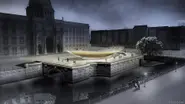
A planned monument commemorating German reunification had to be scrapped last year due to funding concerns - and after the discovery of a rare bat colony. But now it looks like the 'seesaw' project is being picked back up.
Nearly half a million people gathered in Dresden on Monday, most to celebrate the reunification of Germany in 1990 - and others to protest Chancellor Angela Merkel.
Germany said on Wednesday it was abandoning plans for a monument to the country's 1990 reunification because of budget overruns caused partly by the discovery of a colony of bats at the Berlin memorial site.