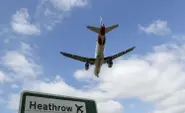
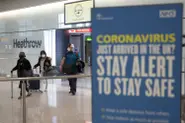
Strict rules on entering Germany from the UK came into force at midnight on Sunday May 23rd. We unpack why this has happened and what it means in practical terms.
Germany is putting in place a temporary ban on all travellers arriving from the UK except from its own residents due to concerns over the spread of a Covid variant first discovered in India.
Germany's health agency on Friday re-classified Britain as a coronavirus "risk area" over concerns about the spread of the Indian Covid-19 variant there, but travellers will still be able to avoid quarantine under updated rules.
The UK government is bringing in a 'traffic light' system set of rules for travel to different countries. Here's what it could mean for travel between Germany and the UK.
On Friday the Robert Koch Institute struck Britain from its list of risk areas for the spread of the coronavirus. That decision eases travel between the two countries, but things still remain complicated.
Germany on Friday removed Britain and Northern Ireland from the list of high-risk zones for coronavirus infections,
meaning that travellers will no longer need to quarantine upon arrival.
Germany is planning to ban most travellers
from countries hardest hit by coronavirus variants, the interior minister said
on Thursday, in a bid to stop the strains from reversing recent progress on
lowering infections.
The new coronavirus strain sweeping Britain
has been in Germany since November, health officials said on Tuesday, after
detecting the variant in a patient who died in the north of the country.
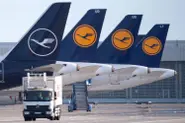
German airline Lufthansa said Wednesday it had
flown 80 tonnes of fruits and vegetables to Britain after other links were cut over fears of a virus variant detected in the UK.
Despite EU urging countries to end blanket flight bans to allow residents from the UK to return home, Germany is keeping its borders closed to all travellers from Britain and Northern Ireland for the time being.
Germany joined a growing number of European countries to suspend travel links with the UK over fears of a new strain of the Covid-19 virus. Here's what it all means for you.
Britons stranded in the UK have spoken of their confusion and panic after a travel ban means they are currently unable to get back to their home in Germany.
Germany has extended its ban on people travelling from Britain, Northern Ireland and South Africa until January 6th – but German residents will be able to arrive from January 1st.
As countries including Germany started banning flights from the UK after a new coronavirus strain was detected, the atmosphere became tense at the borders.
Germany's foreign minister on Friday said he believed a Brexit deal was still possible, after British Prime
Minister Boris Johnson warned that a no-deal scenario was very likely.
German residents have been left confused after being targeted by the British government with a Facebook campaign about the corona pandemic, with social media users asking why the money isn’t being spent by the UK government in its own country.
Boris Johnson's comments about why "freedom-loving" UK has higher coronavirus cases than Germany and Italy have sparked a heated debate and given us a reason to look at why Germany is coping better than the UK in the fight against a second wave.
As the end of the Brexit transition period looms, the UK has so far failed to negotiate access to the European passporting scheme for banks - here's what that means if you are British and live in Germany.
The UK government has lifted its compulsory quarantine requirement for arrivals in England from “lower risk countries” including Germany, Spain, Italy and France.
On Monday the German government replaced its blanket travel warning with advice for most EU countries and states. However Germany advises against travel to the UK. Here's what it says.
German Chancellor Angela Merkel said Tuesday she would struggle until the last possible moment to achieve an orderly Brexit, saying the interests of Germany, Britain and the EU were at stake.