New figures released by the Federal Statistics Office (destatis) show that the hourly wage gap has been coming down for several years. But experts say that the picture isn’t completely rosy.
Productivity by German workers has
increased since the country introduced a minimum wage in 2015, a study published Tuesday by Anglo-German researchers showed.
The federal minimum wage (Mindestlohn) is set to increase to €9.19 on January first, the fourth anniversary of its introduction. While the hourly rate is set to rise again to €9.35 in 2020, unions argue it is too low for people to live off.
Germany’s labour minister Hubertus Heil said in an interview that he expects the minimum wage to rise significantly when an official body reviews it later this month.
Around 2.7 million employees in Germany received less than the minimum wage in 2016 even though they were entitled to it, a study published on Monday has found.
Germany only implemented a minimum wage two years ago, and analysts are still assessing its economic impact. But so far one aspect has shown improvement - and it especially affects women.
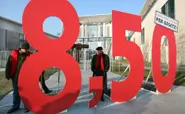
Figures released on Tuesday show that the number of so-called 'minijobs' in Germany has sunk in the first three months of the year, with some linking the decline to the €8.50 per hour minimum wage that came into effect in January.
Friday marks 100 days since the introduction of the national minimum wage in Germany, but politicians, economists and trade unions continue to debate the scheme.
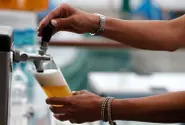
Tent operators at Munich's world-famous Oktoberfest say that they may have to raise prices over €10 per litre of beer because of Germany's new minimum wage law.
Germany temporarily hit the brakes Friday on applying its new minimum wage to foreign truck drivers transiting the country in a move welcomed by Poland, which vigorously opposed the system.
Germany's newly-introduced €8.50 minimum wage is raising hackles at Polish trucking companies, who say they shouldn't have to pay their drivers at that rate for the hours they spend on their western neighbour's roads.
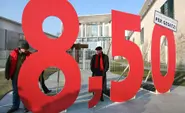
January 1st means not just New Year resolutions - and hangovers - but a pay increase for millions of hard-up Germans, as the country introduces its first ever minimum wage, set at €8.50.
A lawyer who paid his office workers €100 a month is being taken to court by a job centre which wants him to pay back the income top-ups the workers received from the social welfare office.
UPDATE: The German cabinet adopted on Wednesday draft legislation establishing a fixed national minimum wage of €8.50 an hour to be phased in from 2015 and fully in place from 2017, but there are exceptions.
As Germany's government gets down to business on its election pledge for a national minimum wage, fierce lobbying is also under way to limit any such measure as much as possible.