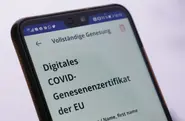
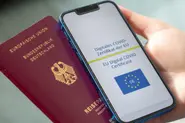
Many people - including tourists - are wondering exactly what they need to carry for Germany's new restrictions that favour Covid- boosted people. Here's what you should know.
As infection rates surge in parts of Europe, the EU will limit the validity of its flagship Covid-19 certificate to nine months. The pass is designed to allow for restriction free travel within the bloc but certain countries are stepping up restrictions.
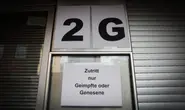
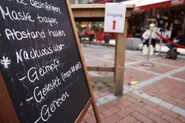
Germany has strict Covid pass entry rules (known as 2G or 3G) to most public places. But tourists found an inconsistent picture of what vaccination proof is accepted, and varying experiences of being able to get the EU digital pass.
A German man killed his wife and three children before taking his own life, leaving behind a note that said he feared being jailed for faking a Covid-19 health pass, prosecutors said on Tuesday.
From Wednesday, passengers will need to carry a negative Covid test, proof of vaccination or a certificate of recovery on German buses and trains. But how would this work in practice? We take a look.
As winter approaches and the Covid entry rules to public places get stricter, there are still question marks over whether tourists can get Germany's digital Covid health pass. We found out the latest information.
Germany's capital Berlin will tighten Covid rules by denying unvaccinated people access to many indoor public places like restaurants, bars, gyms and hairdressers in an effort to contain a coronavirus resurgence.
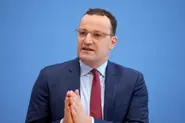
Germany is experiencing a "massive" pandemic of the unvaccinated, Health Minister Jens Spahn said on Wednesday, calling for tougher action to tame a resurgence in Covid cases.
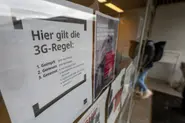
Amid rapidly rising Covid infections in Germany, business leaders have called on the government to restrict access to workplaces via the '3G' rule and allow companies to request vaccination data from employees.
Supermarkets in Frankfurt and the surrounding region can now implement rules that only allow vaccinated and Covid-recovered people onto their premises.
Several German states are allowing businesses like restaurants and bars to choose to exclude the unvaccinated. But a Hesse court recently ruled in favour of a shop introducing this 2G option. What does it mean for the future?
The German city of Cologne has just made it much easier for people to prove they've recovered from Covid-19 by offering a first-of-its-kind online certificate service.
Germany has its own version of a Covid health pass - the 3G rules. But does it actually do the job? The Local editor Rachel Loxton found Germany could learn lessons from its neighbour after a recent trip to Paris.
From next month, Germany is getting rid of its taxpayer-funded free rapid tests. Who will still get them for free? And how much will they cost to others?
In the battle against the fourth wave, German president of the World Medical Association has spoken out in favour of tough restrictions on the unvaccinated, stepping up the pressure on the government to act.
Senators in Berlin are considering extending the current '2G' rules for clubs to other areas of public life, like bars and restaurants. But what would that mean in practice?
In a bid to encourage vaccinations, and stave off the fourth wave, German states were tasked with bringing in an expanded 'Covid health pass' system. Here's what it looks like.
From autumn onwards, Germany could bring in a tougher entry system for eating out, visiting shops or attending big events. Here's what that could look like.
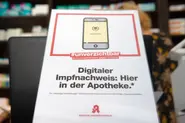
Residents across Germany are still facing problems getting hold of their EU digital vaccination certificate after a system failure. What exactly is going on?
Countries across Europe are extending the use of so called vaccine passports or health passes to allow for entry into bars, cultural sites or sporting events, but some countries are employing them more than others. Here's how Germany compares to other countries.