
Wednesday's top story: Google announces €5.5 billion investment in Germany
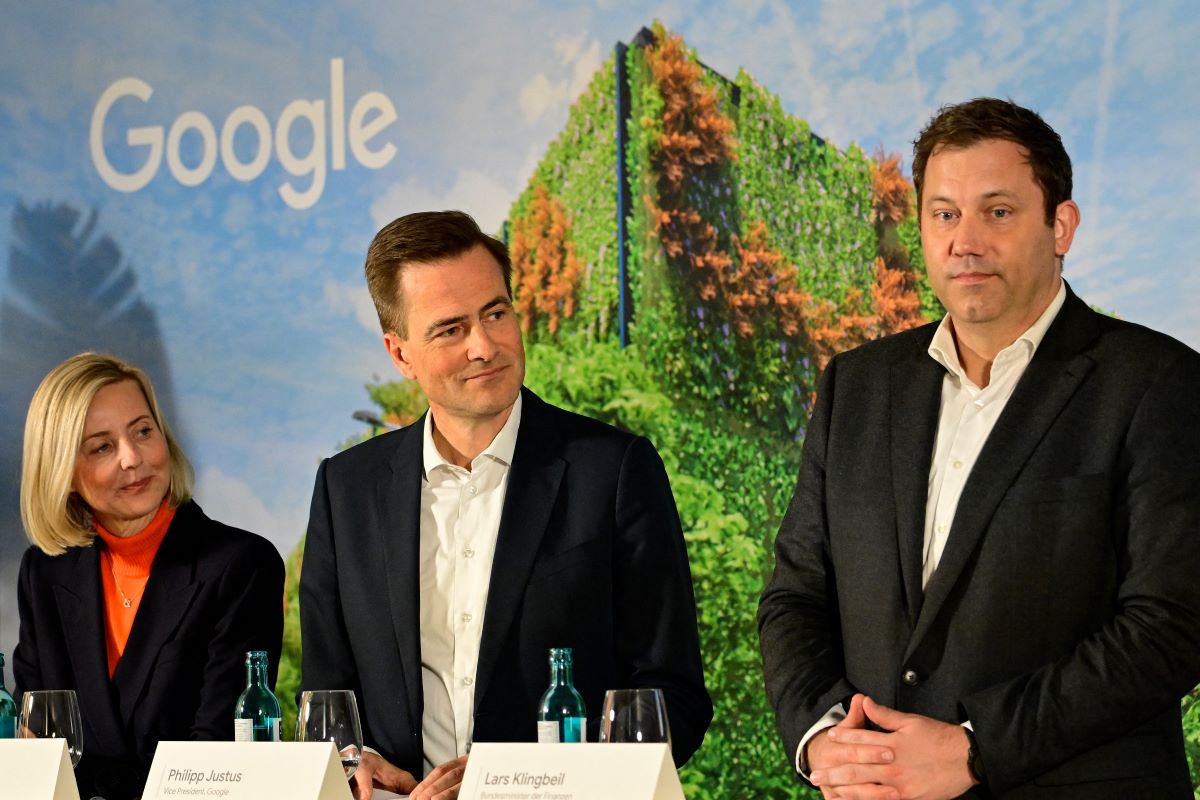
Google has announced its largest-ever investment program in Germany, pledging to spend approximately €5.5 billion between 2026 and 2029.
The investment will focus on expanding digital infrastructure, including building a new data centre in Dietzenbach, near Frankfurt, and extending the existing facility in Hanau.
Additionally, Google plans to expand its offices in Munich, Frankfurt, and Berlin.
German officials, including Vice-Chancellor Lars Klingbeil and Digital Minister Karsten Wildberger, praised the initiative as a significant boost for innovation, artificial intelligence and the country’s transition to climate-friendly energy.
The project aims to secure around 9,000 jobs annually in Germany and position the country as a leading hub for data centres in Europe.
According to current plans, Google’s new data centre should utilise waste heat by feeding it into Offenbach's district heating network, potentially supplying over 2,000 homes with warm water and heating.
The company also announced a partnership with renewable energy provider Engie, saying that 85 percent or more of Google's operations in Germany could be powered by CO2-free energy by 2026.
READ ALSO: Nvidia and Deutsche Telekom reveal plans for billion-euro AI hub
Pensions set to rise in Germany
According to current projections, pensions in Germany are expected to rise by 3.7 percent in July 2026, continuing a similar trend to this year’s 3.74 percent hike.
Alexander Gunkel, chairman of the German Pension Insurance Board, highlighted that this adjustment would primarily be driven by a 3.6 percent increase in gross wages per employee. Thus, a pension of €1,000 would increase by about €37, which, if inflation remains around 2.1 percent, would translate into a real rise in purchasing power for retirees.
Despite these positive adjustments, Gunkel warned of financial challenges ahead. Expenses for the statutory pension system are projected to outpace revenues by around €4 billion in 2025, and expenditure could climb by nearly 26 percent by 2030, largely due to demographic changes and planned increases in pension payments.
Crucially, the contribution rate to the pension fund is expected to rise for the first time since 2007, from 18.6 to 19.8 percent in 2028, to build up financial reserves without additional federal subsidies.
Gunkel called for a more equitable sharing of costs between contributors and government and urged policymakers to consider the financial burdens on employees and employers.
READ ALSO: What Germany's incoming 'active pension' means for older workers
Coalition crisis in Brandenburg after four BSW MPs quit party
Germany’s only coalition between the Social Democrats (SPD) and Sahra Wagenknecht’s party (BSW) is in turmoil after four BSW lawmakers in Brandenburg quit the party, leaving the state government’s future uncertain.
SPD parliamentary leader Björn Lüttmann said his party would proceed with a key preliminary vote on controversial media treaties and then discuss next steps with the BSW.
The four MPs – Jouleen Gruhn, Melanie Matzies, André von Ossowski and Reinhard Simon – said radicalised forces had taken control of the BSW but plan to remain in the parliamentary group as independents.
Their departure follows internal disputes over two state media treaties aimed at reforming ARD, ZDF and Deutschlandradio, and strengthening youth media protection.
The BSW leadership opposes the reforms, arguing they increase state interference, while BSW finance minister Robert Crumbach supports them.
Without unified backing, the coalition no longer has a majority. Although the CDU opposition is expected to help pass the treaties, Brandenburg’s coalition – barely a year old – now faces an uncertain future.
READ ALSO: Who are the winners and losers of Germany's key state election in Brandenburg?
Carnival season begins in Germany
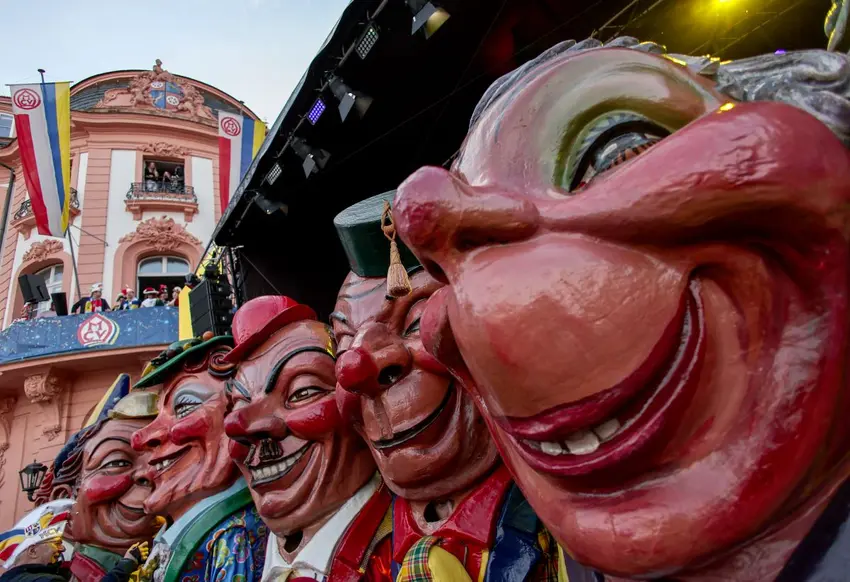
On Tuesday, at exactly 11:11 am, Mainz officially kicked off its carnival season on the Schillerplatz with the traditional Proclamation of the Fool's Charter at the Fastnachtsbrunnen, or Carnival Fountain.
This event marks the start of the city's vibrant "Fifth Season," a months-long celebration known for its lively parties, parades, and performances culminating before Ash Wednesday.

Due to safety regulations, attendance this year was ticketed, with about 9,000 carnival enthusiasts gathering peacefully to witness the ceremony and the following Elephant Dance, symbolising the joyous welcome of the carnival year.
While Karneval events took place in a number of German cities, including Cologne and Düsseldorf, the Mainzer Fastnacht stands out for its humour and satire, often poking fun at politics and society.
READ ALSO: Why does Germany's carnival season start on November 11th at 11:11am?
Police bust drug lab in Lower Saxony
Authorities in Lower Saxony dismantled a large synthetic drug lab on Tuesday located in a warehouse in the Wolfenbüttel area.
The operation was part of a coordinated investigation targeting an international drug trafficking group primarily composed of Dutch nationals. Simultaneous police raids led to the search of eight properties in Lower Saxony and nine across the Netherlands.
Investigators found the lab temporarily out of operation due to ongoing construction work but seized around 130 litres of amphetamine base, a precursor substance equating to the total quantity confiscated across Germany in 2024.
The value of the chemicals is estimated in the tens of millions of euros. Seven suspects have been arrested in connection with the case.
The police hailed the bust as a significant breakthrough against organized drug manufacturing and trafficking in the region, with extensive forensic and investigative efforts continuing to fully assess the extent of the operation.
READ ALSO: German government warns of dangerous 'boom' in hard drug use
With reporting by DPA.
Comments