

At a time when the cost of living is a major theme for households, it's perhaps no surprise that a huge portion of the agreement between the CDU, CSU and SPD is about money.
According to calculations by tax experts at the Cologne Institute for Economic Research, the coalition agreement contains tax relief in the mid double-digit billion range. If the new government keeps its promises - and this is a big 'if' - then new policies on pensions, taxation, energy prices, travel and rents will all leave us with a bit more money in our pockets.
It's too early for euro and cents predictions and some plans may change due to budget issues, but here's what we know so far about plans to relieve households.
Income tax
The CDU/CSU and SPD are planning a tax reform they say will reduce the burden on lower- and medium-income households. This means most people can to look forward to a little bit more take-home pay in future.
The parties want to introduce the relief from the middle of the legislative period - that is, in around two years' time. However, they haven't gone into detail about who will benefit most from the relief.
Far more certain is the planned hike in the commuters' allowance, or Pendlerpauschale. From 2026, people can write off 38 cents from the first kilometre of their first commute to work - and not from the 21st kilometre as before.
All commuters, whether travelling by car, train or bicycle, will be able to write off more expenses in their tax return.
Meanwhile, the standard tax-free allowance is to be increased for coaches in sports clubs, choir leaders and other voluntary trainers. This would allow them to earn up to €3,300 for their work without paying additional tax.
READ ALSO: What Germany's new coalition pact means for foreign residents
Pensions
An ‘early start pension’ is also to be introduced in 2026.
For every child between the ages of six and 18 who attends a school or other educational institution in Germany, €10 per month will be paid into a pension fund. Once they have grown up, they will be able to continue to pay into this pot privately. The income from the deposit will be tax-free until retirement - but the money will only be paid out at retirement age.
Meanwhile, the standard pensions rate will continue to be set at 48 percent of the average salary in Germany, based on average earnings and 45 years of contributions.
Voluntary overtime
In future, workers will get incentives to take on more hours at work voluntarily. If you take on overtime exceeding legal full-time hours, these extra hours will no longer be subject to tax. Similarly, those who increase their hours from part-time to full-time should also be rewarded with tax relief.
The incoming government also wants to introduce a scheme known as the "Active Pension" to encourage people to work after retirement age. In future, people who stay in employment voluntarily in old age will be able to earn up to €2,000 per month tax-free.
Families with children
Parents who don't work or reduce their hours after the birth of a child could get more money from the government going forward. The CDU/CSU and SPD want to hike up both the minimum rate and the maximum amount of Elterngeld, or parental allowance. These are currently set at €300 and €1,800 per month respectively.
The parties also want to enshrine the right to maternity leave in law for freelancers, meaning self-employed people can also benefit from around 14 weeks of paid time off.
Families who do not have a lot of money and are dependent on income support can also hope for a little more support for their children's everyday activities. The so-called participation allowance, which is used to cover the costs of sports clubs, music schools or cultural activities, is to rise from €15 to €20 per month.

Rent controls
In good news for renters, the incoming coalition is set to extend Germany's rent brake (or Mietpreisbremse) for at least another four years after 2025.
This means asking rents cannot be more than 10 percent higher than the average market rent in the local area, and landlords aren't allowed to raise rents by more than 20 percent in the space of three years. In regions with a particularly tight housing market, rents rises are capped at 15 percent over three years.
In a move to tighten up enforcement, the parties also want to introduce fines for landlords who are found to be flouting the rules. In contrast, those who rent cheaply will be rewarded with tax breaks.
Meanwhile, for young renters, the parties say they want to put in place a "WG-Guarantee" through investment in housing for students and trainees, financial help for housing cooperatives, and a strengthening of young people's rights in the rental market.
READ ALSO: Germany's incoming government 'to extend rent brake for two years'
Electricity prices
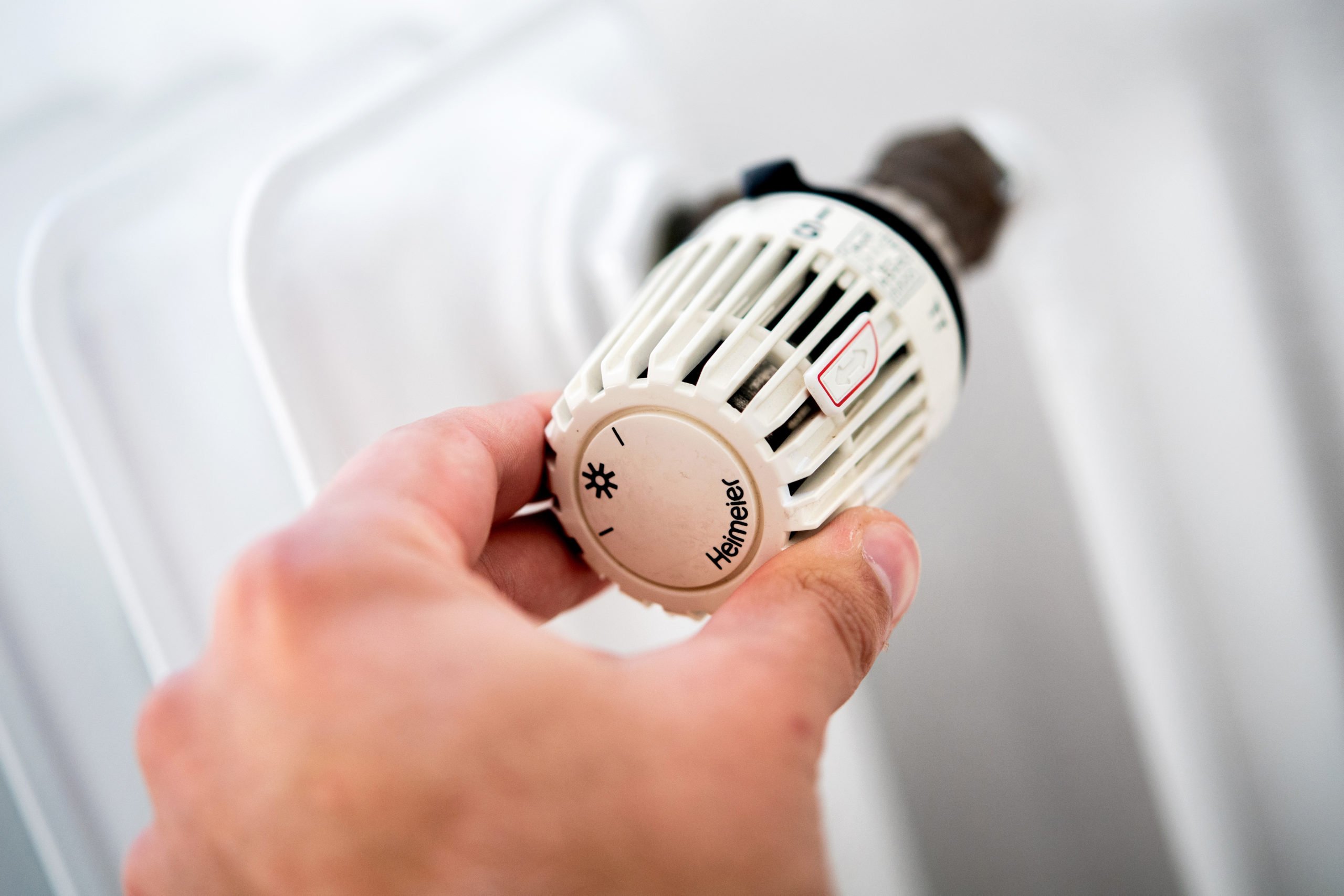
Though energy-heavy industries are the main target here, all households in Germany should benefit from moves to slash electricity prices. Under the plans set out in the coalition pact, electricity tax is to be reduced to the minimum level permitted in the EU, as are levies and grid charges. This could save consumers at least five cents per kilowatt hour.
Equally, gas heating could become cheaper due to the planned abolition of the gas storage levy.
According to calculations by the Verivox portal, a family in a detached house with an annual consumption of 20,000 kilowatt hours could save around €71 per year under the plans, while a single household with a consumption of 5,000 kilowatt hours could save around €18.
READ ALSO: How to reduce your household electricity bill in Germany this year
Student grants
The CDU/CSU and SPD are planning an increase in Bafög - Germany's student loans and grants system - in time for the 2026/2027 winter semester.
The basic allowance, which currently stands at €475 per month, is to be increased to match basic income rates in two stages -- for the winter semester 2027/2028 and again one year later. The actual Bafög rate will continue to be calculated individually according to parental income and other factors.
READ ALSO: Everything that changes for international students in Germany in 2025
In addition, the housing allowance for students who no longer live with their parents is to be increased from the current €380 to €440 per month.
Replacing heating systems
The new black-red coalition have predictably decided to scrap Germany's unpopular heating law, which was designed to replace old fossil fuel heating systems with eco-friendly ones.
Nevertheless, the new government says households can continue to rely on subsidies for installing new systems like heat pumps in their homes. As yet, it is unclear how much these will be - and they could be a lot less generous than the current 70 percent maximum set out in the heating law.
Travel costs
The Deutschlandticket is set to continue at a price of €58 per month for the coming years - but passengers will have to adjust to higher prices from 2029.
For learner drivers, the process of getting a licence is set to become cheaper with a wide-ranging reform of the system.
With reductions in air traffic tax also on the cards, consumers may also end up paying less for airline tickets. Airlines have recently cancelled flights from German airports due to the higher costs, so the govenrment is hoping that a wider range of destinations will be available once again.
READ ALSO: What drivers in Germany should know about government's plans
End of the cash economy?
It may be hard to believe, but it may become far less common to have to run to an ATM in order to pay for a haircut or a meal in future.
That's because the CDU/CSU and SPD say they want to ensure cashless payments are available to consumers - even at small and independent businesses.
With reporting by DPA
Comments (2)