
“Roads and cars are important means of transportation, especially for people in rural areas,” the agreement reads, setting the tone for a package of motorist-friendly policies.
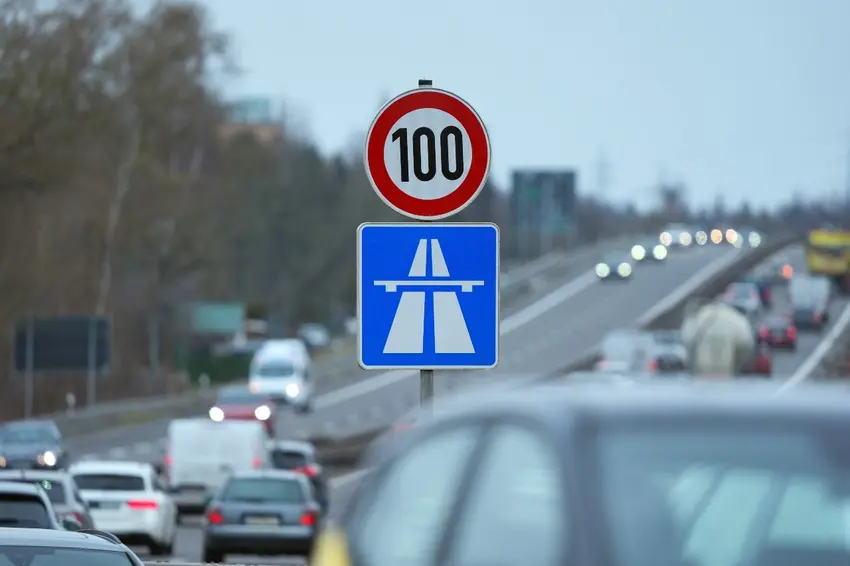
For speed junkies, there was some good news, as the coalition has agreed not to introduce a speed limit on limit-free sections of the Autobahn. The SPD had pushed for a limit of 130km/h, but were blocked by the CDU and CSU.
READ ALSO: Why drivers in Germany can expect more speed controls this week
The new coalition also says it is committed to transitioning to electric vehicles, but rejects a “blanket statutory quota” to meet the goal.
Several measures to encourage consumers to opt for e-cars are instead being put forward, including:
- Raising the price limit for tax-favourable company electric cars to €100,000
- Extending the vehicle tax exemption for electric cars until 2035
- Supporting low and middle-income households switching to hybrid and electric vehicles
However, the CDU’s call to reverse the EU-wide ban on new internal combustion engine cars from 2035 is not included in the final agreement.
The CDU-led government commits to expanding a nationwide charging network and excluding zero-emission trucks from paying tolls beyond next year.
The government says it will “create the conditions” for autonomous cars to enter regular operation.
A €500bn “infrastructure and climate fund” is to be spent over 10-12 years to modernise Germany’s infrastructure and reach net zero by 2045.
Part of the fund will be spent on transport infrastructure, including modernising bridges and roads. Deutsche Bahn CEO has previously said at least €150 billion will be needed for the railways.
The process for getting a driving licence will be made more affordable while maintaining high standards, the agreement says.
READ ALSO: Why German states want to make it cheaper to get a driver's licence
Germany will also commit to Vision Zero: a long-term strategy to reduce traffic fatalities to zero.
Finally, the government briefly mentions it will support walking and cycling as part of a shift to sustainable mobility.
Comments (1)