
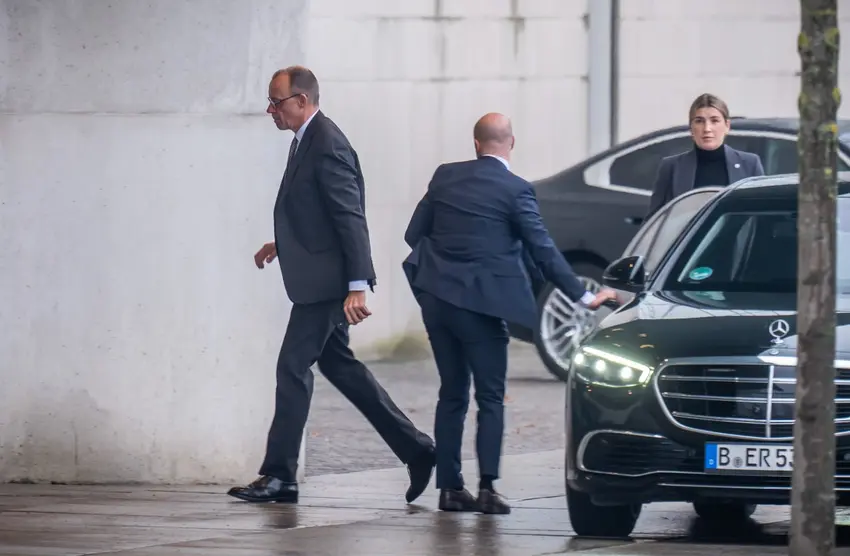
Merz pushes for quick coalition negotiations with SPD
Christian Democrat (CDU) leader Friedrich Merz is counting on a quick start to coalition negotiations with the Social Democrat Party (SPD).
"The issues are urgent, they cannot be postponed and that is why I think it's important to enter into talks quickly now," said the Union chancellor candidate ahead of a meeting with his party in Berlin on Tuesday.
Merz stressed that foreign policy and security issues required "a German government that is capable of acting", hence his rush to form a coalition as soon as possible.
After foreign and security policy, he named migration and the economy as the main issues he felt an urgent need to address.
A reform of Germany's strict rules also appears to be on the cards, though the CDU leader said this would not happen while the current parliament is still sitting.
Instead, the centre parties could group their current seats together to arrange a 'special fund' for the military, which would be exempt from the debt rules.
READ ALSO: Can Germany's next leader tackle economic woes and far-right gains?
To persuade the SPD to join a coalition, Merz will need to "change course and tone significantly" said SPD leader Lars Klingbeil in a statement delivered on ZDF.
The SPD will want the Union parties to agree to supporting the middle and working class with better wages, and to stabilise pensions, he suggested.
On Tuesday, the first known talks between the parties took place, with Merz meeting Chancellor Olaf Scholz at the Chancellery to discuss plans for a transition phase before the new coalition is formed.
A baby polar bear has taken up residence at Karlsruhe Zoo
A polar bear cub (Eisbärjunge) has arrived at the Karlsruhe Zoo, but he wont be visible to guests until mid to end of March so that he can settle in.
The bear cubs caretakers said in a podcast that, in addition to his month's milk, he also already likes to eat tuna, salmon oil, potatoes and cucumbers. He has yet to try to swim.
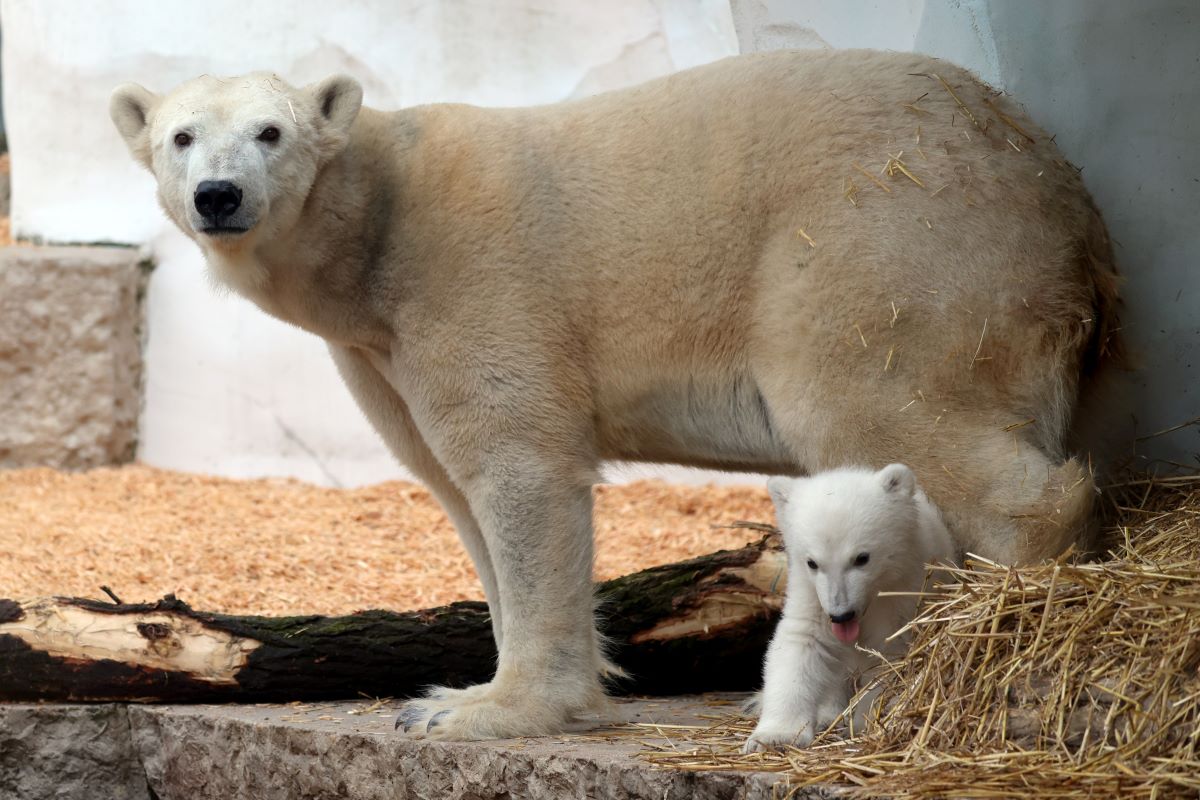
The still nameless cub is the son of Nuka, a polar bear who has been living at the zoo.
The zoo is collecting name proposals, which should be short and start with the letter "M" (because all of the animals born there this year have "M" names). Then the staffs' favourite submissions will be voted on.
AfD parliamentary group takes in controversial politicians
Having doubled its presence in the incoming Bundestag, the far right Alternative for Germany (AfD) parliamentary group has moved to a hall in a larger office building in the Bundestag complex.
The group is also adding a number of new politicians, some of which are new faces and others represent the party's most controversial side.
Maximilian Krah, for example, who fell out of favour with Alice Weidel and party leadership during last year's European election campaign when it was revealed that one of his aids was suspected of being a Chinese spy.
Krah had also made statements in an Italian newspaper that trivialised the SS, which led to France's right-wing Rassemblement National terminating cooperation with the AfD in the European Parliament.
READ ALSO: 'A fifth of voters hate me' - How do foreigners in Germany feel about far-right surge?
Krah will be joined by Matthias Helferich, who once described himself as the “friendly face of National Socialism".
According to a report by Financial Times, Helferich is so divisive that members of his own regional party association have tried to expel him. They alleged that he referred to Germans with migration backgrounds as "beasts".
German family business issues distress signal to future government
Facing high energy bills, onerous bureaucracy and the threat of US tariffs, a Black Forest-based factory equipment maker is issuing a plea for help to the country's next government, AFP reported Tuesday.
Arburg's woes highlight a crisis gripping Germany's small- and medium-sized (or Mittelstand) firms as Europe's biggest economy struggles.
"We are feeling the effects of the crisis -- our turnover fell by around 15 percent last year," said Armin Schmiedeberg, chairman of the advisory board of the company located in Lossburg in the southwest.
READ ALSO: What do Trump's steel and aluminium tariffs mean for Germany?
The family-owned firm makes machines that produce plastic parts in sectors from the auto industry to electronics and packaging -- so-called plastic injection moulding machines, hulking high-tech marvels that weigh up to 40 tons.
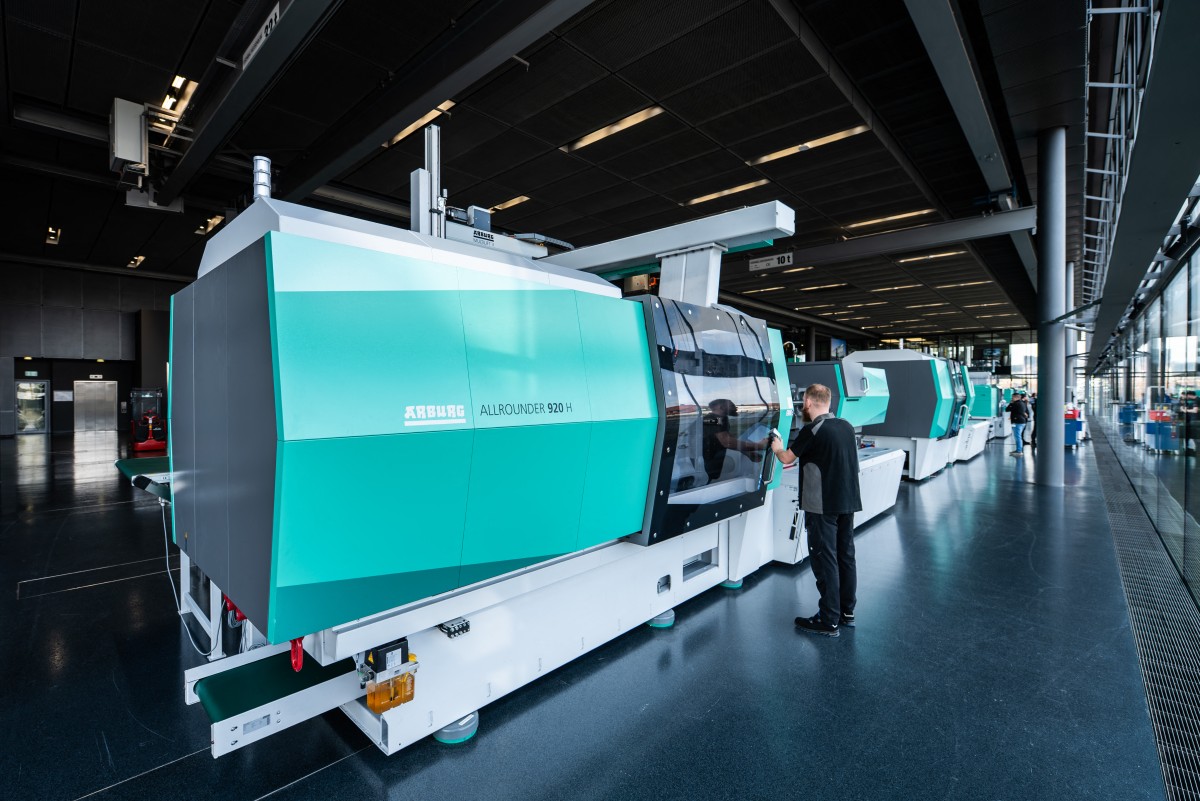
Companies like Arburg, which form the backbone of Germany's economy, have been hit hard by the slowdown at home as well falling demand in key export markets like China.
Merz, whose conservatives won Sunday's election, has vowed a barrage of measures to revive the recession-ravaged economy, although he first faces the tricky task of forming a working coalition.
A two party coalition of the Union and Social Democrat parties would be expected to enact pro-growth reforms to "ease the regulatory and tax burden on businesses somewhat, and pursue a more rational immigration and a less inefficient and costly energy policy," said Berenberg bank economist Holger Schmieding.
Such moves couldn't come soon enough for Arburg.
With reporting by Imogen Goodman, DPA and AFP.
Comments