
Let’s face facts: Germany is currently without an effective government. The governing coalition has broken apart, and an election date set for February of next year. As we look towards an uncertain future, the coming weeks and months provide time to conduct some important self-reflection: How did this happen? Where did we go wrong? What can a new government do better?
At the heart of our problems is the unavoidable truth that Germany’s economy is stagnant. As the largest economy in Europe, our prospects go hand in hand with those of the rest of the continent, and we are in urgent need of growth. With the German economy contracting by 0.3 percent in 2023, we find ourselves in a precarious position.
This economic downturn has far-reaching implications, affecting not only our industrial output, but also our ability to invest in crucial infrastructure and innovation. In such times, politicians must tread the familiar path of telling the public that 'tough times require tough choices'.
READ ALSO: Why is Germany's economy so sluggish and what does it mean for you?
'Pragmatic approach' to energy
Among these tough choices is the persistent question of how we fuel our economy and growth. Germany has led the way in the energy transition, but it would be naive to think that this does not come at a cost. The ambitious Energiewende, while encouraging for its environmental goals, has presented significant challenges to our economic competitiveness.
The rapid shift away from fossil fuels and nuclear power – whether intentionally or forced by conflict in Europe – has left us vulnerable to energy price shocks and supply disruptions. This vulnerability is starkly illustrated by the fact that electricity prices for German industries rose by 45 percent between 2021 and 2023.
Of course, the recovery of Germany’s energy sector – which came under extreme pressure over the last few years – is laudable. Our environmental goals have remained steadfast, with significant progress in renewable energy development. This commitment to sustainability has positioned Germany as a global leader in green technologies, creating new industries and job opportunities. However, we must not let this progress obscure the harsh economic realities we face and the compromises we must make.
READ ALSO: Why Germany's carbon emissions are at a 70-year low
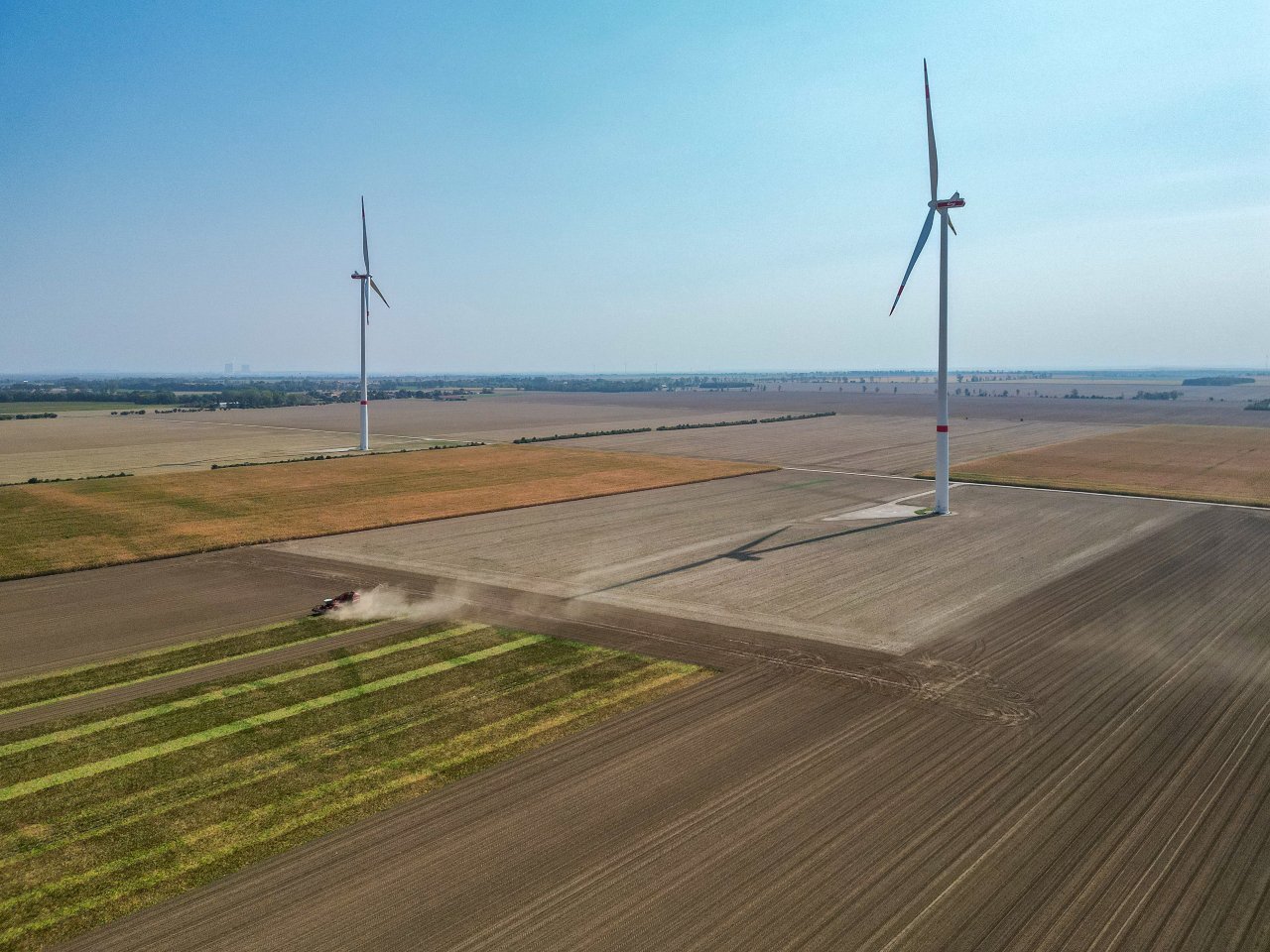
The truth is, our energy transition, while crucial for long-term sustainability, has significantly impacted our short-term industrial competitiveness. Energy intensive industries, long the backbone of German manufacturing prowess, have been particularly hard-hit. Reports indicate that these sectors have seen a decline in output by approximately 15 percent since 2021, due to rising energy costs and increased competition abroad.
The energy we need must meet three equally important requirements: affordability, availability and sustainability. We must create security while adhering to climate obligations – a delicate balance that is not always complementary. Striking this balance requires innovation solutions and a willingness to adapt our strategies as new technologies and geopolitical realities emerge.
To regain our economic footing, and return to a growth trajectory, it is imperative that Germany adopt a pragmatic approach to its energy mix. While our commitment to renewables remains strong, with clean sources providing 64 percent of our power in early 2024, we must acknowledge that completely abandoning conventional energy sources risks further economic decline. For example, the closure of our nuclear reactors in April 2023, contributed to an 8 percent loss in power generation, a gap which renewables have struggled to fill consistently.
Germany must adopt a strategically balanced energy portfolio, which continues to invest heavily in renewables, but accepts that transition fuels have a pivotal role to play in getting us there – namely natural gas. This approach would provide the reliability our energy-intensive industries so desperately need to remain competitive globally. Moreover, natural gas and LNG would allow us to maintain our industrial base while continuing to develop and refine new technologies, ensuring a smoother and more economically viable transition in the long term.
READ ALSO: Will US climate plans affect German gas supply?
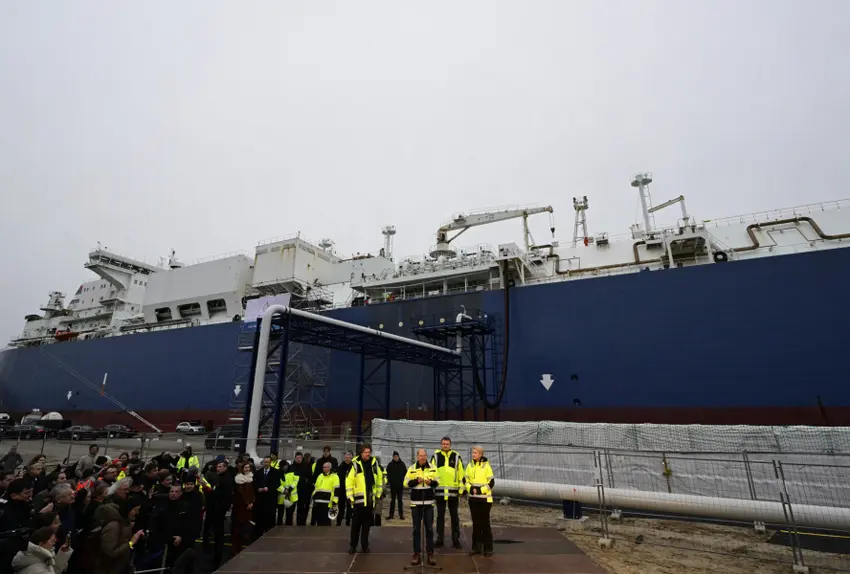
The rapid development of our liquified natural gas (LNG) infrastructure demonstrates our ability to adapt quickly to changing geopolitical circumstances. The handover of the LNG infrastructure in Brunsbüttel to the federally owned Deutsche Energy Terminal GmbH (DET) in January 2024, marks a significant milestone in our efforts to strengthen Germany's energy security. This facility, along with others planned or already operational, will be crucial in reducing our dependence on Russian pipeline gas and ensuring a stable energy supply for our industries.
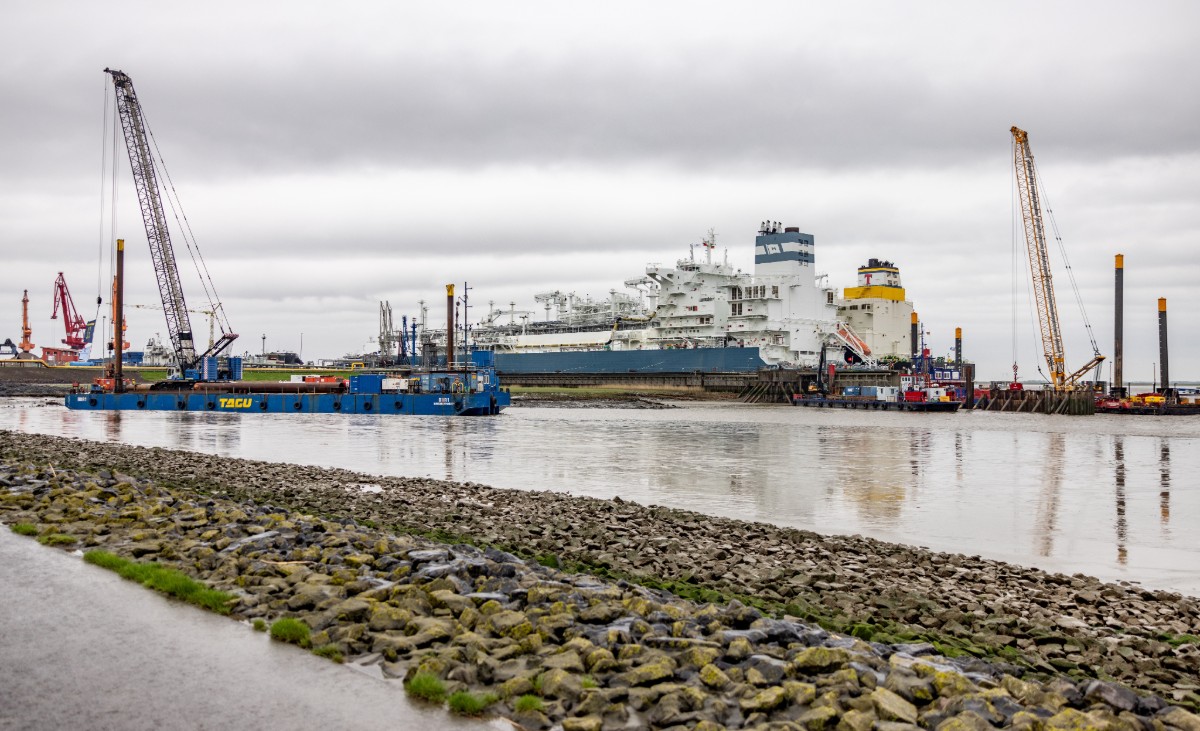
The benefit of this growth is twofold: first, this build-up of infrastructure will provide us with a safety buffer for our own energy security, but also support our role as a gas hub for Central Europe, allow us to support our neighbours in times of need. This strategic position strengthens our diplomatic and economic ties within the European Union, reinforcing Germany’s role as a key player in regional energy policy and security.
Germany at a 'crossroads'
The ‘tough choices’ we face are not between economic growth and environmental responsibility, but in how we balance these dual imperatives. Germany stands at a crossroads, with the opportunity to redefine its economic future, while maintaining its environmental leadership. By embracing a pragmatic energy strategy, that recognises the importance of transition fuels like LNG, we can revitalise our industrial base, secure our energy supply and continue our march towards a sustainable future.
This makes global energy events such as the World LNG Summit & Awards all the more critical. Held this year in Berlin, the Summit will convene senior LNG leaders from around the world, offering a firsthand view of how LNG can help propel our economy forward and create new avenues for emissions reduction.
Marking an important step in the country’s LNG journey, the event will showcase the long-term benefits of an inclusive energy system, with an inaugural World Renewable Fuels Conference showcasing how the expansion – and subsequent repurposing - of LNG infrastructure will help support the growth and deployment of clean resources such as hydrogen and biogas, ultimately accelerating a net zero future for Germany.
The path ahead is unquestionably a challenge, but with determination, innovation and strategic foresight, Germany can emerge stronger, more competitive and at the forefront of the global green economy.
By making informed choices today, we can lay the groundwork for a resilient future that balances economic vitality and environmental sustainability – we must seize this opportunity. I have every confidence that a new government will have the ambition to do exactly this, but I hope they also have the resilience to see it through.
READ ALSO: Residents in Germany face hefty rise in gas prices
Thomas Matussek has had a distinguished career in the German diplomatic service, during which he served as German Ambassador to the UK, the UN, and India, and as chief of staff to two German foreign ministers – Hans-Dietrich Genscher and Klaus Kinkel. Thomas also headed the political department of the German Foreign Ministry in Berlin, and is now co-chairman of the high level German-British “Königswinter” conference.
Comments