
It may have been several months in the making, but when the announcement came that Germany's traffic-light coalition had broken down, many were taken by surprise.
Since coming together in 2021, the unhappy union of the Social Democrats (SPD), Greens and Free Democrats (FDP) had staggered on through numerous crises, from the outbreak of war in Ukraine to gaping deficits in their annual budget.
But a final standoff between Chancellor Olaf Scholz of the SPD and his uncompromising Finance Minister - FDP leader Christian Lindner - at the start of November turned out to be the straw that broke the camel's back.
Lindner and his party were ultimately turfed out of the coalition, leaving the minority government of the SPD and Greens to hobble on.
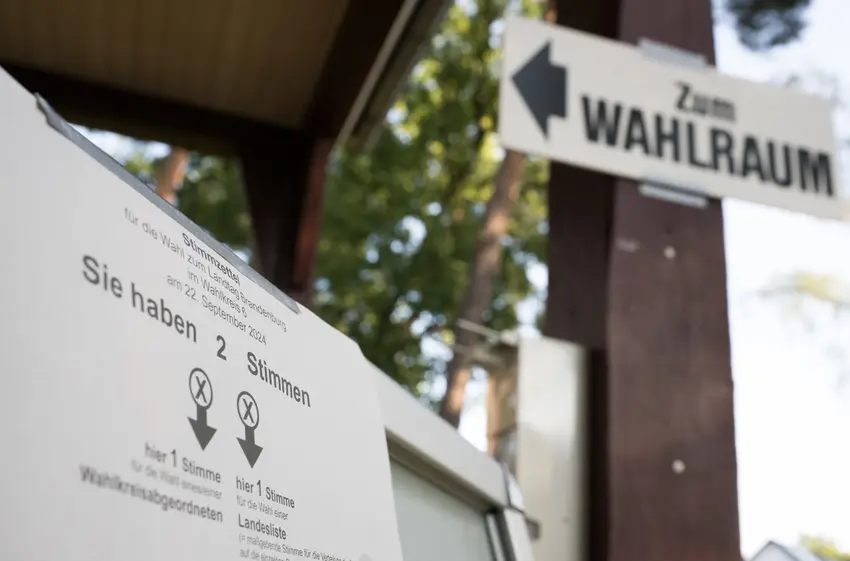
Since then, it has been announced that a federal vote will take place on February 23rd 2025 - much earlier than the original planned date of September 28th.
READ ALSO: What happens next as Germany heads for snap elections in February?
We surveyed our readers to find out how foreigners living in Germany feel about the situation.
'Disappointing but not unforeseen'
The overnight dissolution of the government was a worrying development for many of our readers, but some said they could have predicted it.
"This is disappointing but not unforeseen," said Jay, a 39-year-old marketing executive in Berlin. "It is happening all over the high income and medium income countries around the world: incumbent governments are losing support and elections."
Gerry, 62, who works as an IT consultant in Rhineland-Palatinate, also agreed that early elections felt inevitable.
“Under the circumstances, there isn't really any alternative," he told us. "Terrible timing though, with the US election result."
However, for some of our readers, moving the election forward six months - to February instead of September - could mean the difference between voting and not being able to vote.
In fact, around 42 percent of respondents said they didn't have citizenship and couldn't take part in the elections, while a further 15.5 percent had applied for citizenship but felt they were unlikely to get it in time.
Many aired their frustration about being disenfranchised for another election cycle - particularly at a time when anti-immigrant sentiments are gaining ground.
READ ALSO: Foreigners in Germany face years of waiting as demand for citizenship soars
"I worry about the level of support for the AfD, but I wonder if it will become higher with time and thus an early election will be the lesser evil," said one Berlin resident. "As an immigrant of course I'm frustrated I can't vote (against the AfD)."
Another anonymous respondent said they were feeling "really annoyed" at the news of the early elections.
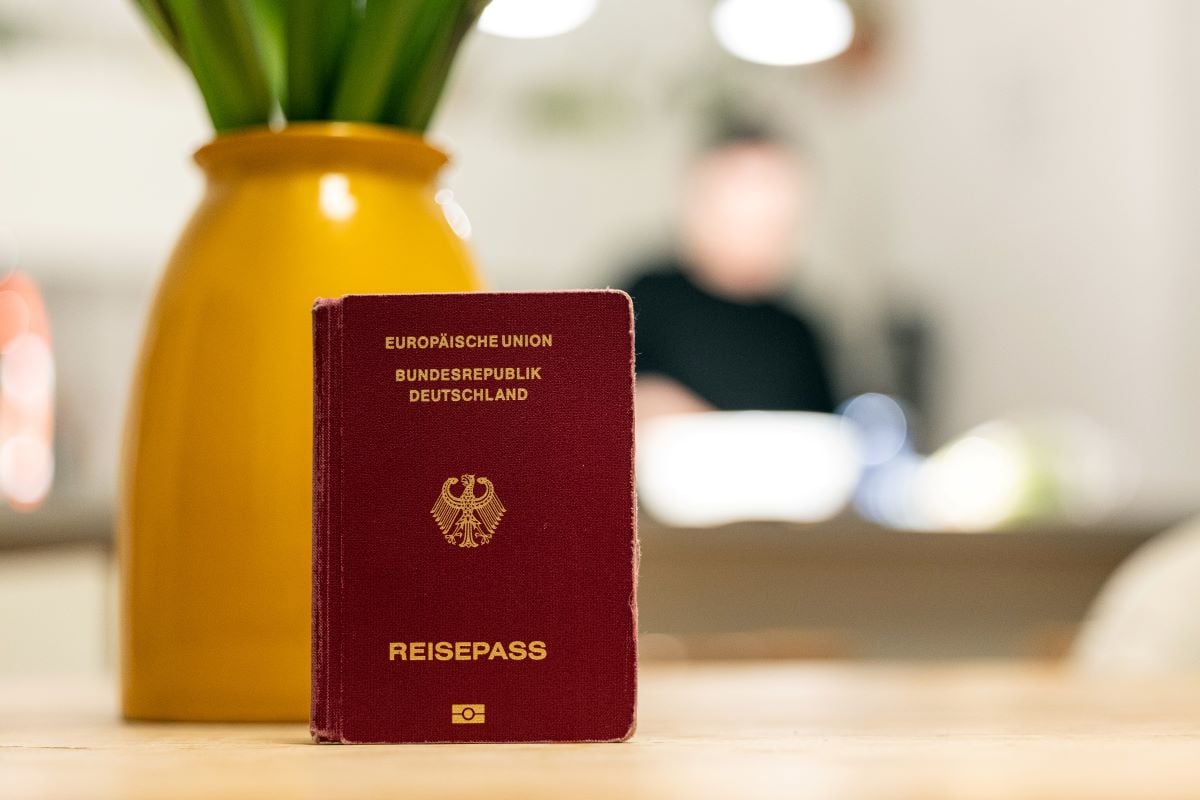
"I was hoping to get the citizenship before the next elections and finally be able to vote," they explained. "Now that seems highly unlikely."
The same sentiment was summed up by one respondent who said they had also applied for citizenship and were still waiting.
"I feel pretty defeated," they said. "I would have loved to vote, would have loved to have two passports. This is all in jeopardy and (CDU leader) Friedrich Merz as a future chancellor is making my tummy ache."
READ ALSO: What would a CDU win mean for Germany?
'My first time voting'
For the some 38.5 percent who said they did have German citizenship, there was both excitement and trepidation about the upcoming election cycle.
Gordon McAndrew, 61, who lives in Salzkotten, North-Rhine Westphalia, expressed relief that the turmultuous years of the traffic-light coalition had finally come to an end.
"I am glad that sense has prevailed and the German people can now vote sooner rather than later, as the present government has been unable to govern for some time now," he said, adding that he would wait to see what different parties were offering before deciding who to vote for.
Others expressed mixed feelings about voting in such unusual circumstances.
“This is my first time voting as a naturalised citizen," said 42-year-old Terrence, a finance worker from Frankfurt.
"It's a pity because it's happening in the winter time and much sooner than expected - not much time for the parties to campaign and really get their plans out. Nevertheless, I'm looking forward to the experience."
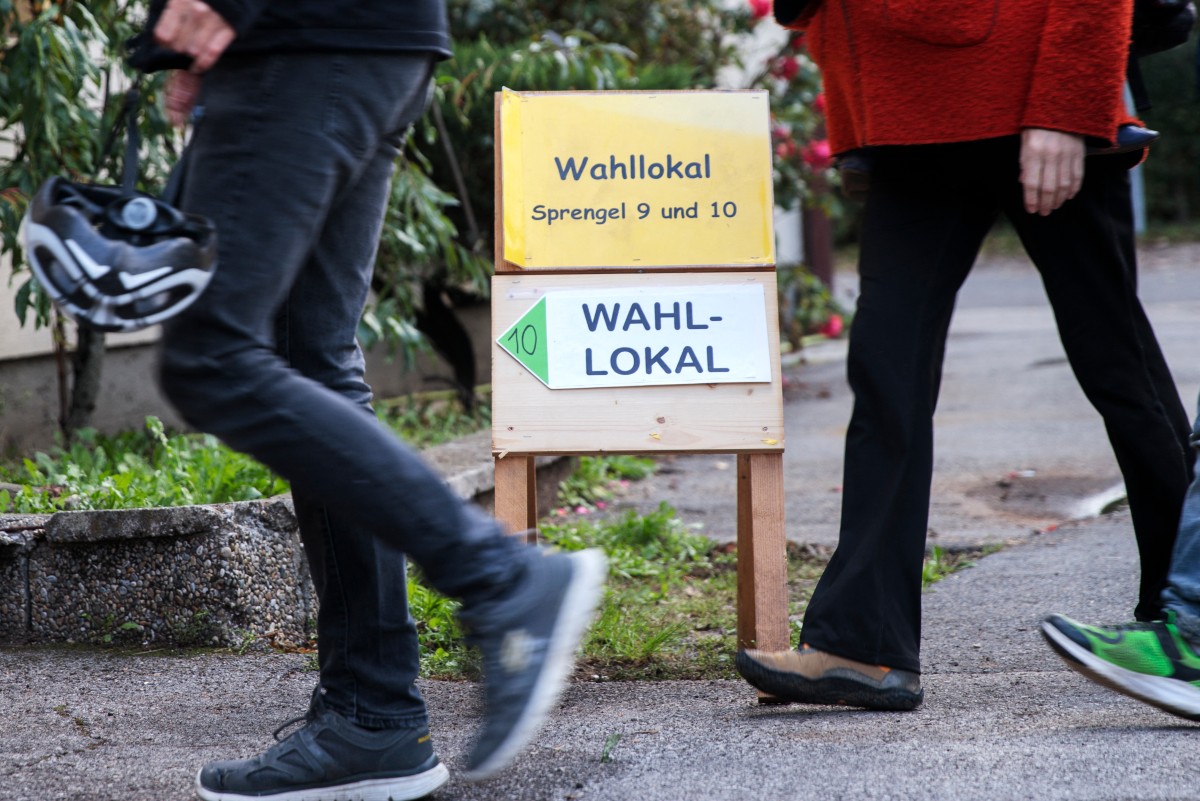
However for Daria, a 26-year-old social worker in Marburg, the current political situation was more frightening than exciting.
"It will be my first time voting," she said. "I am very nervous about the political situation right now because I don't want a right-wing government in Germany."
Summing up how he felt about the upcoming elections, 43-year-old Pavel in Heidelberg had one word in mind: "Weird."
"It's going to be my first parliamentary election and I don't feel like any party represents me well," he explained. "The left-of-centre government didn't perform well but I can't align with the right-of-centre camp because of their anti-immigration rhetoric, since an immigrant is who I am and always will be."
Ongoing issues
Whether international residents of Germany are able to vote or not, they are still affected by many of the same issues that affect those born in the country, from housing to bureaucracy.
When asked about their most pressing issues, readers pointed to a huge variety of aspects of life in Germany, from bureaucracy and digitalisation to housing and the ongoing worker shortage.
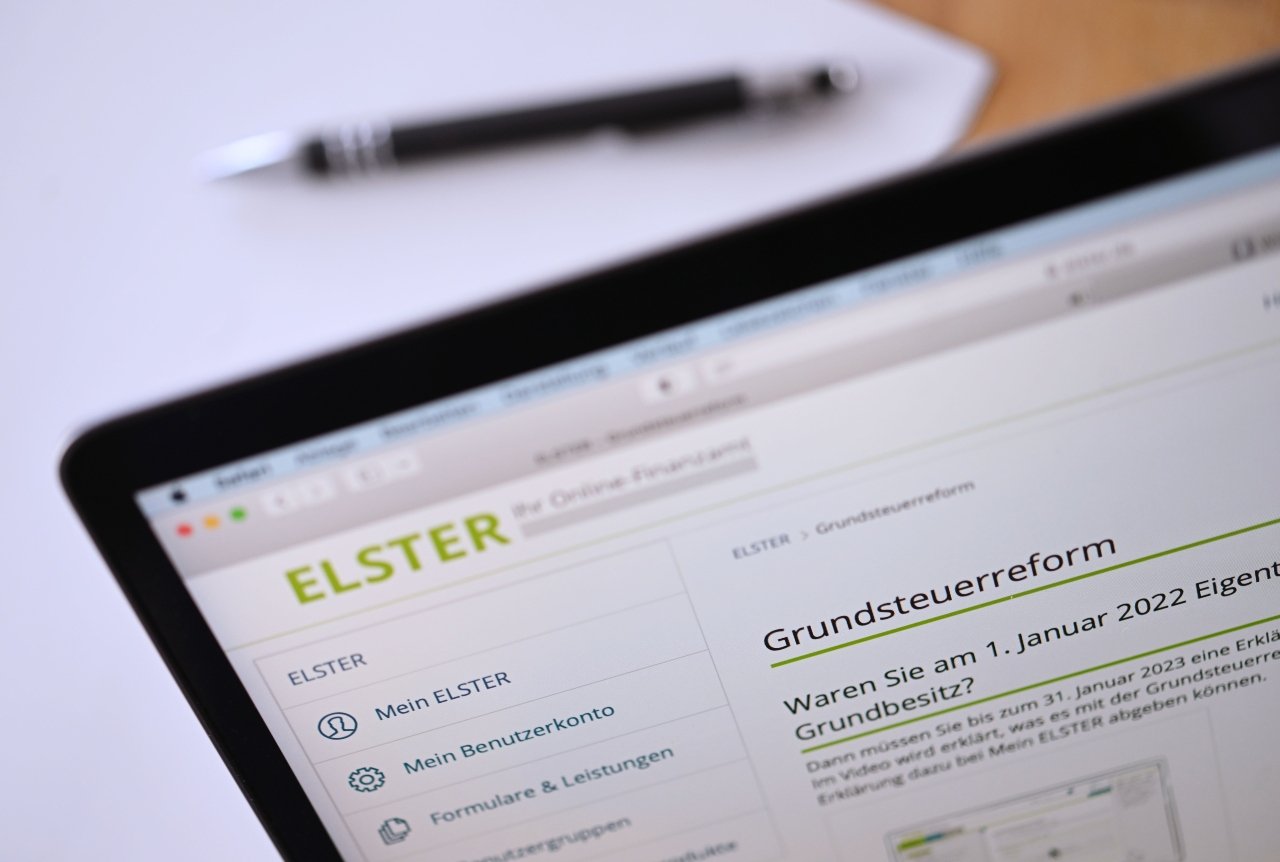
The cost of living and high taxes were common themes, with one tech entrepreneur from Berlin citing the tax system as "the single biggest problem" for their business.
"Tax advisors are extremely hard to come by and immensely expensive compared to abroad," they said. "Getting anything done here is an uphill battle."
For many, however, the problems pervading German society were far more fundamental. Readers mentioned discrimination, racism, and a crackdown on freedom of speech, as well as support for Israel during its ongoing war on Gaza as issues they were concerned about.
"I am disappointed at this government's support of a genocide, disregard of international laws, the new discriminatory laws of anti-Semitism curbing freedom of speech and showing double standards when it comes to the Ukraine war," said Linda, a 40-year-old HR professional who lives in Bremen.
READ ALSO: Why Germany's resolution against anti-Semitism is attracting so much controversy
Berlin resident Nina, 30, also said she was disillusioned by the racism targeted at specific migrant groups in Germany, as well as "anti-Islam provocations" and "intolerance" in society at large.
For the majority of respondents, however, there was little sense of hope that the next incoming government would be able to address these problems.
A lurch to the right?
According to recent polls, the centre-right CDU/CSU parties are on track to win the next elections by a large margin, paving the way for a potential coalition with one of the smaller parties.
The current opposition, led by leader Friedrich Merz, is even polling higher than all of the traffic-light put together.
Asked for their thoughts on a potential CDU-led government, the response from readers was mixed, with some saying they feared a lurch to the right and others welcoming a change of leadership.
"For the first time since I moved to Germany, I am excited in a CDU under Merz," said Tendai in Halle, who is considering voting for either the AfD, CDU, or a smaller party in the upcoming elections.
"I believe he will attempt to correct the Merkel-era policies, which in my opinion have been catastrophic for my new home country."
READ ALSO: Who is the conservative leader hoping to become Germany's next chancellor?
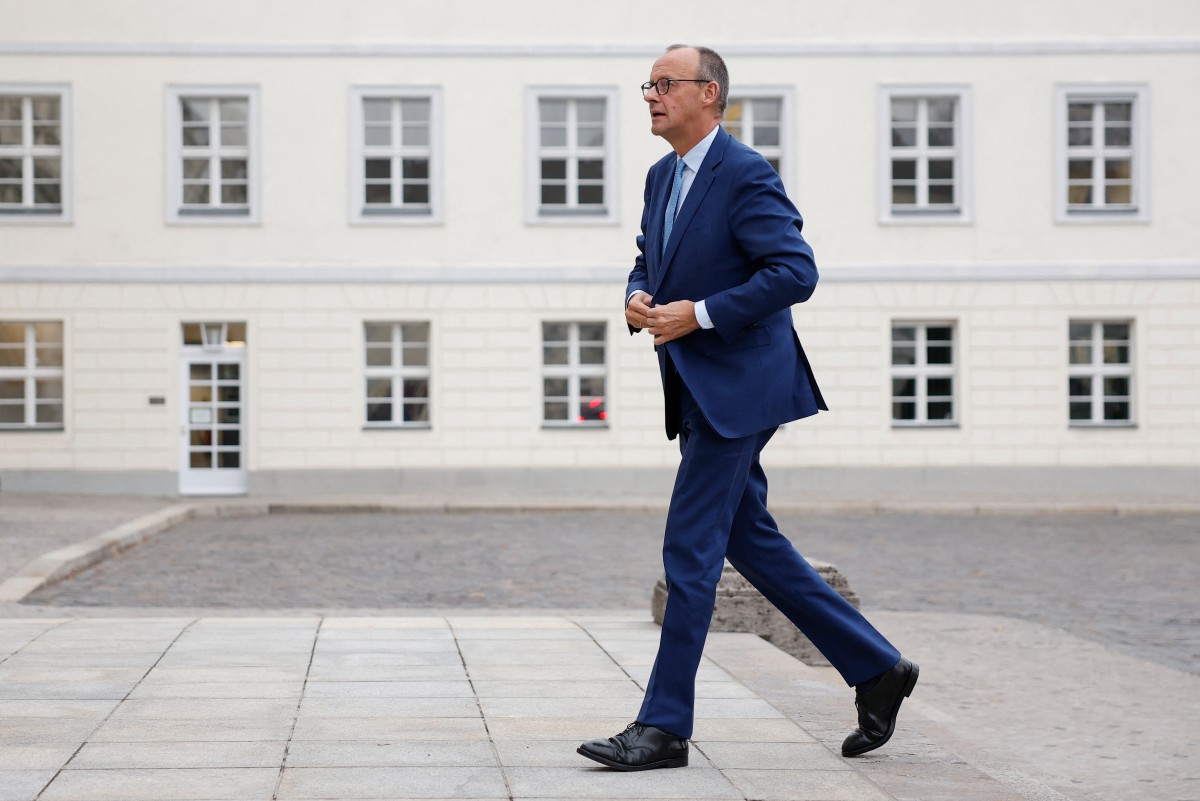
North Rhine-Westphalia resident Gordon McAndrew also expressed optimism about a future CDU-led goverment.
"It has to be better than the present coalition," he said. "Therefore I would not be too concerned were the CDU/CSU to win."
But many of our readers expressed deep concern that the return of the centre-right parties could make things worse for migrants in the country, with some citing the CDU's opposition to the recently passed dual nationality law.
READ ALSO: Will Germany's dual citizenship law remain after new elections?
"Foreigners and immigration will be kept as a scapegoat for the country's issues," predicted 35-year-old Jose, who works in the tech industry in Berlin. "It probably means more racism and a subtle union with the far-right AfD, as well as less modern and more old-school policies."
Meanwhile, Heidelberg resident Pavel said the thought of the CDU returning to power made him "anxious".
"I am generally uneasy about socially conservative governments, and pretty wary of parties that allow anti-immigration rhetoric," he said.
Of course, for those who are feeling worn down by the endless twists and turns of German politics, the outcome of the election may already seem like a foregone conclusion.
That was the view of one Berlin resident, who perfectly summarised this sense of weariness.
"Not much will change," they told us.
Thank you so much to everyone who completed our survey. Although we weren't able to use all the responses, we read them all and they helped inform our article.
Comments