
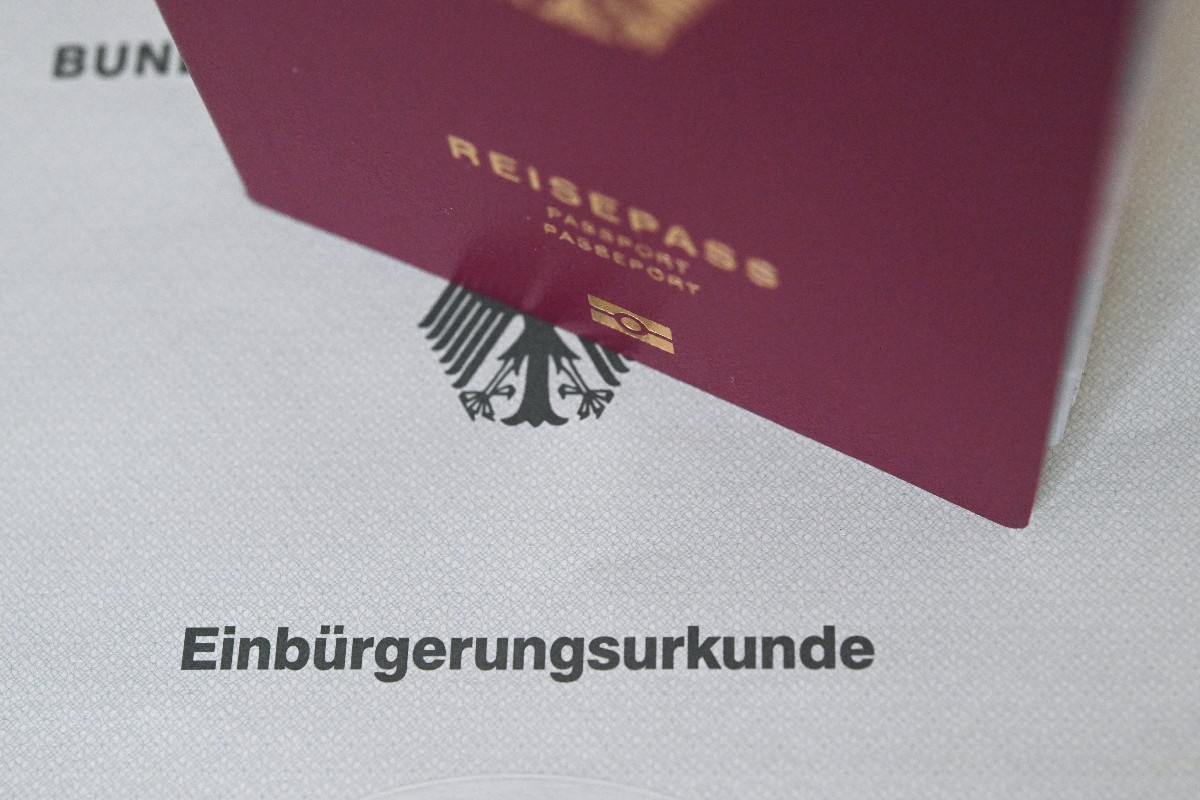
When the coalition government passed the naturalisation reform, the goal was to increase the number of people who can become German.
But with a spike in demand for a German passport comes longer waiting times.
An investigation by Germany's Welt am Sonntag , which surveyed Germany's 25 largest cities, found that the number of naturalisation applications have increased by around 50 percent in the last two years.
However, since the new citizenship law came into force in June of this year, there's been an even bigger jump.
According to the newspaper, a total of around 81,000 people applied for naturalisation in 2022, while in the current year to date, there have already been about 122,880 applications - so many that authorities are having problems keeping up.
More than 217,000 applications are pending in just 20 cities, according to the paper. Several cities say that an 18 month wait for a German passport is realistic, while others say it will take significantly longer.
Under the new rules, foreign residents can become German after five years of residence - instead of the previous eight years - and even after three years in cases where the applicant has fluent German and exceptional integration achievements.
Residents are also able to hold onto their original nationality while becoming German. This law change to allow dual citizenship paved the way for many people to finally take the plunge and apply to become German.
READ ALSO: What do I need to apply for German citizenship under the new law?
What does this mean for those applying?
The process of becoming German was already a lengthy one before the naturalisation reform, especially in large cities like Berlin and Cologne.
Now some foreign nationals are having to wait years to get their hands on a naturalisation certificate.
Since the reform, the number of applications has "once again increased significantly", according to a spokesperson for the Berlin State Office for Immigration. "Last week, we received an average of 104 applications every day of the week," the spokesperson added. "That's a huge challenge."
READ ALSO: How is Berlin's immigration office coping with its application backlog?
Some city authorities are struggling with the bureaucracy more than others. One issue is that many cities do not have an online application process and applicants have to secure an initial interview in person before the process can properly start.
According to a spokesperson from Frankfurt, "it takes over eight months" just to get an initial interview appointment with the city. This is apparently followed by a 14 month wait before processing can begin, according to Welt am Sonntag.
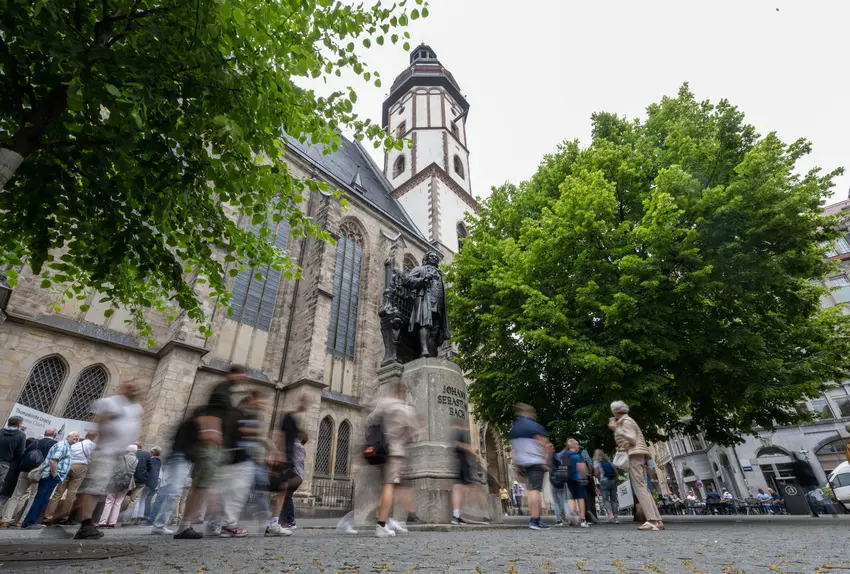
In Bremen, it sometimes takes "at least 24 months" to get citizenship, a spokesperson said. Meanwhile, the situation in Leipzig is particularly challenging. "There is currently a waiting period of 50 months (for an initial interview) before an application can be submitted," said a spokesperson.
READ ALSO: What are citizenship offices around Germany doing to prepare for new law?
Can foreigners speed it up?
Legally, delays are a problem and there are tools that foreigners can use to challenge waiting times.
The naturalisation authority has an obligation to respond to the applicant within three months, according to the Dresden Immigration Office which referenced Administrative Court Regulations. Either missing documents or facts that need to be clarified must be disclosed to the applicant - or the application should be rejected if requirements are not met.
If the deadline is not met by authorities, this opens up "the possibility of bringing an action for failure to act (in German this is called an Untätigkeitsklage)", a spokesperson from Dresden added. This sparks additional work for the administrative courts and is associated with "high legal costs for the local authorities".
Applicants have to pay both court and legal fees upfront, though these are paid by the state if they win.
Hans Vorländer, Chairman of the Expert Council for Integration and Migration, said the situation was leading to cities delaying accepting the application to try and stop this kind of legal action.
"Some municipalities are delaying the acceptance of naturalisation applications in order to counteract complaints of inactivity," he told the newspaper. "But these lawsuits will come."
READ ALSO: When to consider legal action for your German citizenship application
Comments (1)