
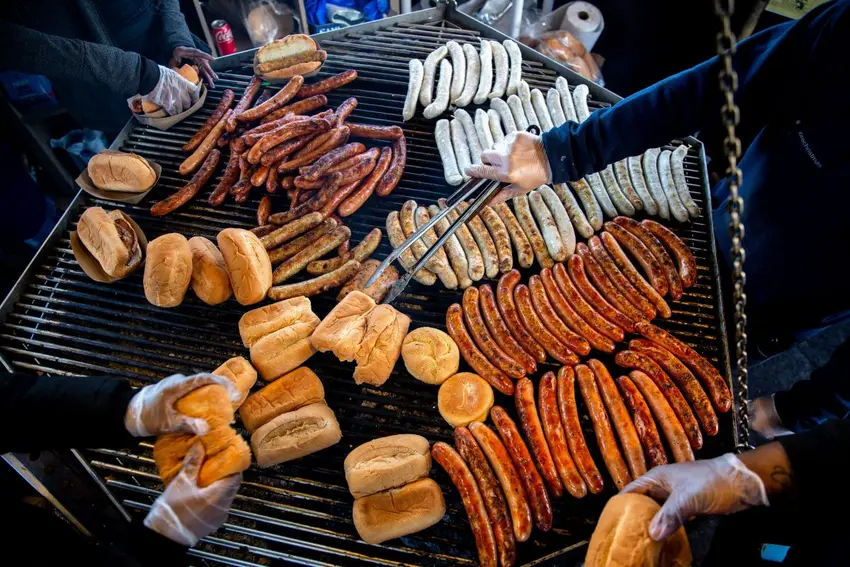
Driving your BMW to a football match and enjoying a beer and a bratwurst: is it possible to imagine a more stereotypically German scene?
Some key German stereotypes, such as the country’s love of cars, football, sausages and beer, have stuck around for decades.
But a closer look at some key statistics show that Deutschland’s favourite pastimes may be changing.
Here’s a look at some well-known German pastimes and how they've held up in recent years.
Bier trinken - Beer drinking
Internationally, beer is certainly near the top of the list of things that people associate with Germany.
Munich’s Oktoberfest is among the country’s most widely recognised cultural events, and it attracts around six million tourists each year.
Beyond just drinking beer, the process of making it is an important tradition dating back to centuries before this land was known as the Bundesrepublik. Summing up this rich cultural history, the German Brewers' Association notes that "the art of brewing is a trademark of Germany."
That said, beer consumption per capita has fallen in Germany by around a third over the past 25 years.
According to the latest figures provided by DPA, the average German now drinks 88 litres of beer each year, including eight litres of non-alcoholic beer.
READ ALSO: 365 German beers - What I learned from drinking a different variety each day
Five years earlier, the average German was drinking 99 litres of beer per year, so the decline in beer drinking seems to be happening quite quickly.
But Germany is still largely deserving of its reputation as a beer brewing and drinking nation. According to Statista, Germany is still ranked 6th in the world for the highest per-capita consumption, based on figures from 2022.
Residents of the Czech Republic reportedly outdrank Germans and everyone else significantly, at 188 litres per year on average. Then came Austria, Poland, Lithuania and Spain with numbers just a bit ahead of Germany.
One factor that could be accelerating the trend is an increase in awareness around alcohol related health issues, and the growing popularity of alcohol-free drinks.
READ ALSO: Munich opens its first alcohol-free beer garden
In die Kneipe gehen - Going to the pub
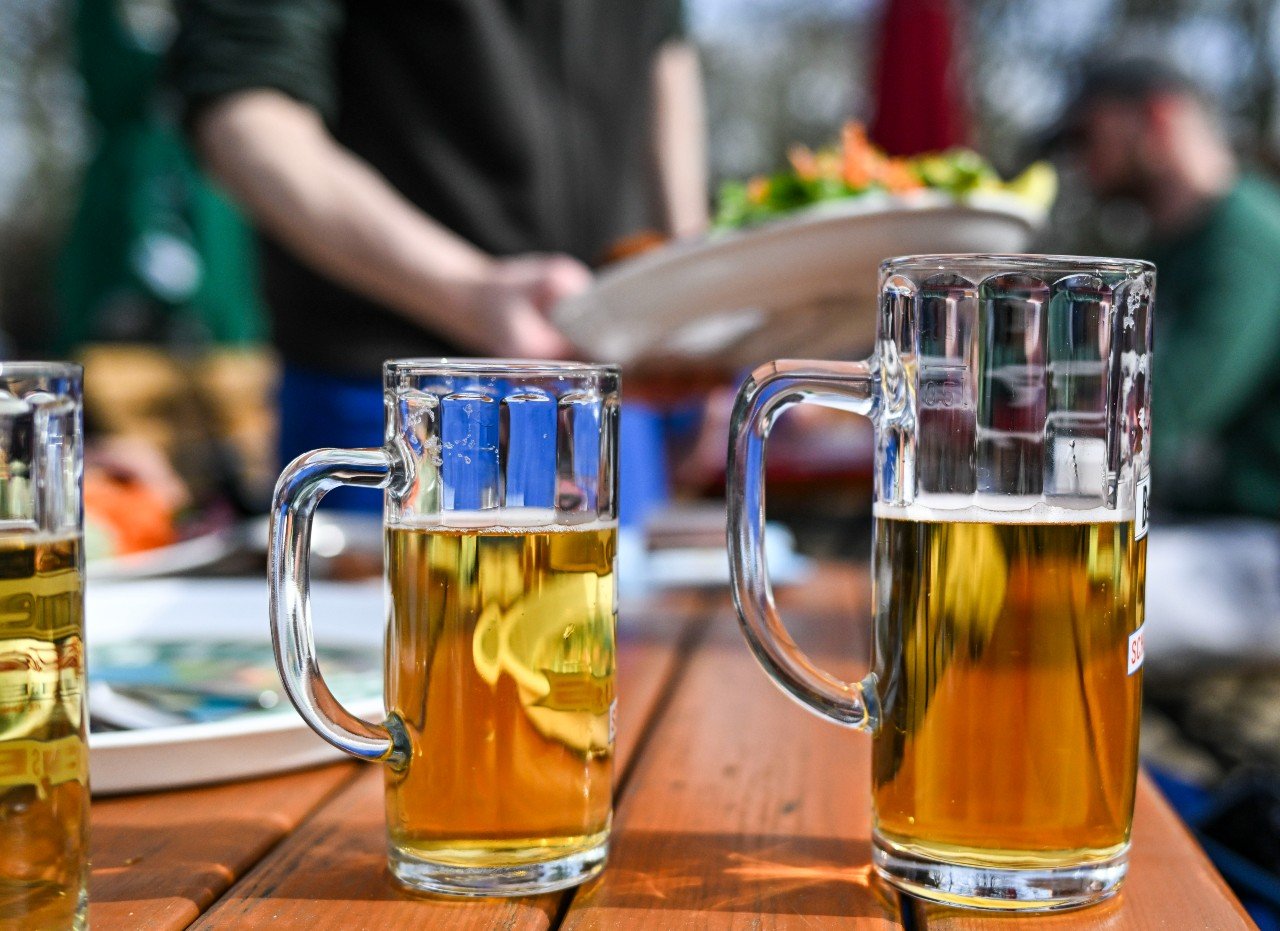
Related to beer drinking, of course, is going to the pub (Kneipe or Gaststätte in German), which is among the more social places to imbibe - along with breweries and beer gardens.
But Germany has been witness to the dying off of local pubs across the country for some time.
According to Germany’s Hotel and Restaurant Association, around a third of the country’s bars have had to close in the last decade. While 31,000 pubs were open across the country 2015, there were about 29,000 in 2019, and then only 21,000 in 2022.
Looking at the drop-off between 2019 and 2022, it’s clear that Covid restrictions certainly took a large toll on the industry. Since then there have also been rising costs for energy, rent and labour.
Wurst essen - Eating sausage
On the grill in the summer is Bratwurst, on the table for Christmas dinner is Bockwurst, or at the Imbiss in Berlin there’s Currywurst. Whatever the time or situation, Germany probably has a sausage for it.
Then there are also all the regional specialties: from Thuringia to Nuremberg and beyond, visitors and residents in Germany can make a habit of trying the local sausages almost anywhere they go.
But just like beer, meat consumption per capita in Germany is actually diminishing, according to the Federal Association of German Sausage & Ham Producers.
The amount of sausage that the average German consumes has fallen by about five kilograms in the past ten years, from 30 kilograms of sausage each year to 25, according to reporting by DPA.
Germany’s Information Centre for Agriculture (BZL), found that the per capita consumption of meat fell to 51.6 kilograms in 2023 – the lowest value recorded since the beginning of the survey.
READ ALSO: 'People are eating less meat' - How Germany is embracing vegan food
Similar to beer, a shift in consumption habits due to health concerns is likely a major driving force behind the steady fall in German meat consumption.
The German Society for Nutrition (DGE) recommends a diet that consists of three-quarters plant-based foods.
Autofahren - Driving a car
It’s well understood that Germany is a car country - and this is one stereotype that appears to stand the test of time.
"The automobile was invented in Germany, as well as the truck and the bus," the German Association of the Automotive Industry (VDA) explains.
Even as climate-neutral mobility became a key goal in Germany, the car industry - and much of the populace - has shown little interest in reinventing the wheel.
This is one reason the VDA advocates for a climate-neutral policy based on “electric cars, with e-fuels, and hydrogen fuel" - much the pro-business FDP.
Environment and mobility experts contend that personal car use is not the most sustainable or equitable solution and that a move away from cars and further investment in public transportation and bike- and pedestrian infrastructure is needed.
But these arguments haven’t yet managed to turn around the trend in Germany. Statistics from the Federal Motor Transport Authority in Flensburg show that there are more cars on the German roads now than ever before.
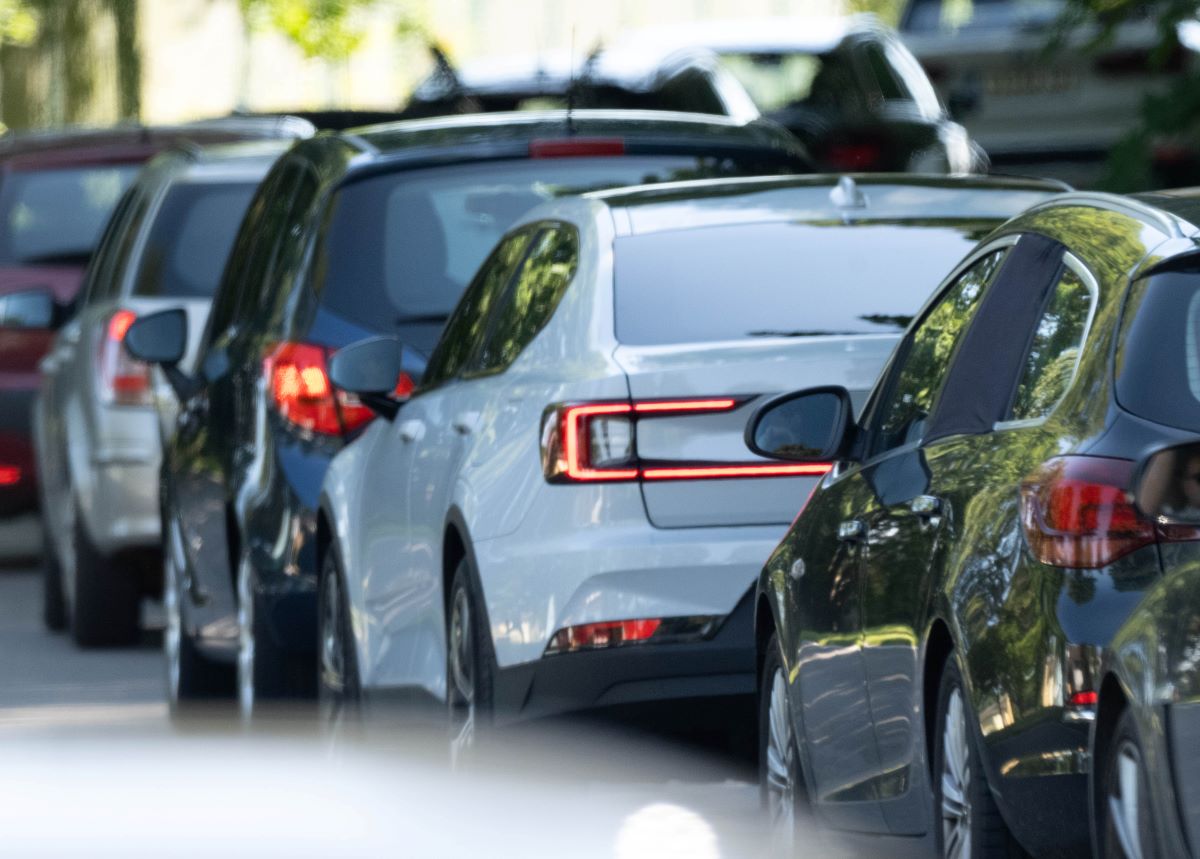
Ten years ago there were about 44 million registered passenger cars in Germany, today there are more than 49 million.
Among newly registered cars, an increasing proportion of them were in the oversized SUV segment. There are now six million SUVs registered in Germany - about twice as many as five years ago.
READ ALSO: Why an anonymous group has been deflating tyres of SUVs across Germany
In this regard Germany appears to be following the US-trend toward ever larger, and more energy intensive cars.
Zum Stadion gehen - Going to the stadium
Germany’s Bundesliga is still among the top leagues in football, but it’s recently seen a downward trend in visitor numbers.
13.3 million viewers were counted at Bundesliga matches in the 2018/19 season, compared with 11.9 million in the 2023/24 season.
But it would be a stretch to say that Germans’ love of football is fading. Millions of German residents mixed with football fans from around the world to watch Euro 2024 games earlier this summer, proving that the "beautiful game" is still as beautiful as ever in the eyes of the Bundesrepublik.
READ ALSO: Superb fans to delayed trains: The highs and lows of Euro 2024 in Germany
With reporting by DPA
Comments