Germany has snagged third place in a ranking showing the ultra rich of the world, while the number of millionaires has also gone up despite the pandemic.
A new report says Germany has the third largest number of dollar millionaires in the world – and the rich are growing. At the end of this year, however, the outlook could be different.
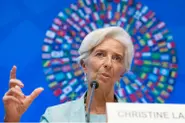
IMF chief Christine Lagarde has joined calls on Germany to invest in future economic growth even at the cost of relaxing its cherished budgetary discipline, raising hackles in Europe's powerhouse.
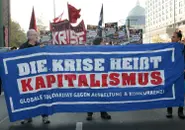
Despite the turbulence of the Weimar years, Germany has followed a steady capitalist economic model since the end of the Second World War. But that doesn’t mean people like the idea, a new study shows.
A growing gap between rich and poor in Germany could sap social cohesion in Europe's largest economy and most populous country, a government report warned on Thursday.
Twenty-six years after reunification, eastern Germany remains economically anaemic with little prospect of catching up with the rest of the country by 2030, a study published on Wednesday said.
For decades after the Second World War almost every German put in a hard day’s work to provide for the family. Now over half a million are putting up their feet and letting their money work for them.
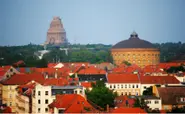
A new study shows that one city above all will dominate the future of Germany, but if you're canny you might still want to think about moving to Leipzig or Erfurt.
The middle classes in Germany and the USA are both in sharp decline, while top earners on both sides of the pond reap the rewards, a study by the German Institute for Economic Research shows.
Income inequality has leapt in Germany since 2000, a new study shows, with the lowest earners having less money in their pockets than 15 years ago despite sustained economic growth.
An economist has determined how much a person must make on average to be considered part of the wealthiest one percent in various countries, and in Germany the amount is not as high as you might think.
A report on Thursday showed that while the gap between rich and poor has somewhat stabilized in Germany since the economic crisis, the rich and highly educated continue to gain more while the poor struggle, creating some of the biggest wealth gaps among developed countries.
The descendants of a committed Nazi, who made his fortune under the Third Reich, have shot to the top of Germany's rich list for the first time, leapfrogging the country's discount store billionaires. Who else made the top ten?
Germany has prided itself on its ability to weather the global financial crisis, but a report reveals Germans trail other Europeans in investing for the future thanks to poor decision making.
UPDATE: Karl Albrecht, who became Germany's richest man by co-founding with his brother Theo the discount supermarket chain Aldi, has died aged 94, the company announced on Monday.
Consumers are splashing out more than ever in Germany with spending reaching a new high of €1.6 trillion in 2013, a 2.5 percent boost on the previous year and almost a third more than in 2000.
To be rich in Germany you either need to inherit your wealth, start a discount supermarket chain or own a chunk of BMW, according to the Forbes Billionaires List published on Tuesday.