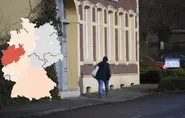
As the number of confirmed coronavirus (Covid-19) cases in Germany rose above above 8,600 on Monday, here's a look at the regions that are most affected.
In the third week of February this season's flu outbreak hit a peak in Germany, with 24,000 new cases registered. Hospitals in Frankfurt are reportedly stretched to the limit.
In the month since authorities introduced a compulsory registration for people infected with the Zika virus 12 cases have been recorded, local media report.
A computer virus has been found in a nuclear power plant in Bavaria, but the power plant insists it does not pose a risk to the public or workers at the plant.
Germany's highest court on Wednesday struck down key planks of an anti-terror law, saying they violated privacy protections enshrined in the constitution.
The Bundestag (German parliament) computer system will go offline on Thursday evening for several days of maintenance work after it was infiltrated by unknown hackers. Experts warn that it's likely to remain vulnerable despite the overhaul.
A regional court has decided that a biologist must pay a doctor €100,000 after the resolution of a bizarre dispute over the very existence of the measles virus.
Scientists and politicians are debating whether to introduce compulsory vaccinations following the recent measles outbreak in Berlin, which has lead to the death of an infant and the closure of a school.
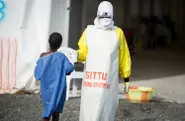
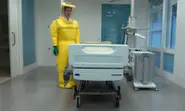
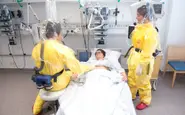
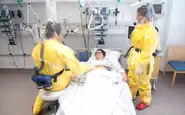
UPDATE: Leipzig's first Ebola patient, a high-ranking UN official, has arrived at St Georg Clinic, according to media reports. He is the third Ebola patient in Germany.
A Ugandan doctor who contracted Ebola in Sierra Leone was hospitalized on Friday in Frankfurt, becoming the second victim of the deadly virus to be treated in Germany.
A second Ebola patient is set to arrive in Germany from western Africa on Thursday night in Frankfurt. The city's University Clinic hopes to treat the NGO worker on its isolation ward.
Germany and France will send military transport planes to West Africa to help efforts to contain the Ebola epidemic, Chancellor Angela Merkel and military officials said on Friday.
German authorities on Tuesday confirmed they were investigating the country's biggest ever data theft – which saw hackers steal details of around 18 million email accounts.
How did hackers steal 16 million email address and passwords in Germany – and what should you do to prevent your details from being stolen? The Local spoke to IT professor Lutz Prechelt of Berlin's Free University to find out.
German scientists have discovered a new way to treat HIV-AIDS by stopping the virus attaching itself to a human cell, which reduces side effects and the chance of viral resistance.
Germany hung onto its dubious title as Europe’s leader in spreading computer viruses in 2009, though its share of malicious activity in the region dropped slightly, a survey has found.