German cities should fight air
pollution by charging drivers tolls according to their vehicle's emissions, rather than slapping general bans on older models, European Transport Commissioner Violeta Bulc said Wednesday.
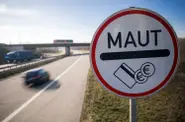
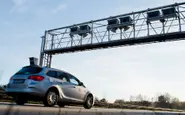
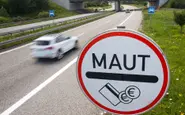
The German parliament has at last passed measures to create a new toll for the Autobahn, after years of heated debate with Brussels over its "discrimination" towards non-Germans. But now that it's becoming a reality, here's what it actually means for you.
Germany has finally come to an agreement with the European Commission on its new road toll, but neighbouring states who most often use its motorways are not pleased.
A plan by the conservative German Finance Minister to sell off almost half of the country's Autobahn roadway system to private investors has many Germans up in arms.
A proposed road toll that the European Commission had long called "discriminatory" is moving forward after Brussels and Berlin said they have come closer to an agreement.
The European Commission on Thursday said it is taking Germany to the EU Court of Justice because of the country's plan to impose a road toll that would mainly charge foreign drivers.
The European Commission demanded Germany make changes to its plan for an Autobahn toll on foreign drivers - or else face a challenge before the Court of Justice.
After months of bickering among the coalition parties, the cabinet finally agreed to put a road toll for foreigners before parliament, but open questions about its financial viability and legality remain.
A road toll targeted at foreign drivers is a rare backward step for Germany. Anti-European, anti-open borders, anti-tourism; it is a terrible way to fill the black hole in the infrastructure budget, argues Tom Bristow.
UPDATE: Germany's conservative alliance has finally agreed to charge foreign motorway users a toll and hopes to raise €500 million a year, but critics say their plan isn't roadworthy.
Chancellor Angela Merkel's party made a show of disunity with their Bavarian allies over the weekend as leading figures fought over plans to introduce a toll for foreign drivers on German roads.
Bavaria’s interior minister has called for German border regions to be exempt from a controversial project to charge foreigners to use the country’s roads, sparking a row within his own party.
Germany’s Transport Minister Alexander Dobrindt will meet his Austrian and Dutch counterparts in an attempt to quell anger from the neighbours over Germany’s plan to introduce a road charge for foreign drivers.
Germany’s plans to start charging foreign drivers on all of the country’s roads, which were unveiled on Monday, are upsetting some its neighbours. Austria, Denmark and the Netherlands are all threatening to react.
Transport Minister Alexander Dobrindt presented his plan on Monday to charge drivers on all German roads. Critics claim the project, promised to be cost-free for German drivers, discriminates against foreigners and violates European law.
A top politician's suggestion that drivers should be charged €100 a year towards the upkeep of Germany's roads was met with derision on Tuesday. But how should Germany fill the black hole it its infrastructure budget?
Two-thirds of Germans support a charge on foreign drivers, despite it contradicting European Union law. The toll will be discussed in coalition negotiations with one report suggesting there is a way around EU rules.
Germany’s transport minister threw his support behind a plan on Tuesday to charge foreigners to use the country's motorways. It would, he said, help fill a €7.2 billion blackhole in the transport budget.
German investors have found a cunning way to get large amounts of money across the border from Austria, news magazine <i>Der Spiegel</i> reported on Wednesday. It's all down to a silver collector’s coin.