A new app launched in Düsseldorf allows those without cash on hand the chance for get a transit ticket for free, simply by watching four promotional videos.
The city of Düsseldorf has pleaded with the makers of Pokémon Go to shut down gaming locations on a bridge which has become so packed by players that traffic has been blocked off.
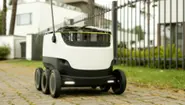
Instead of being greeted by the smiling face of a delivery driver, German customers could soon open the door to a robot or even a drone distributing their parcels.
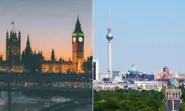
Graphic design marketplace 99designs shares with The Local how London and Berlin compare when it comes to launching and working for a startup. Which one would you choose?
Germany's most wanted interior minister? This dubious title went to a state politician when a hacker exposed a security hole in Interpol's website and made a couple of additions.
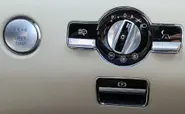
The German Automotive Club (ADAC) tested 24 different cars with the new Keyless Go technology for safety. The result: all of the cars could be stolen with one easy trick.
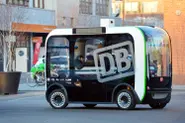
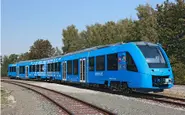
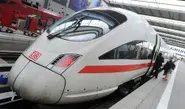
On Monday, Munich Airport unveiled its swanky new driverless trains - further humiliating Berlin with its serially derailed attempts to build an air hub of its own.
The growth of Germany's tech companies has slowed down compared to other countries this year, falling behind France and the United Kingdom in a new ranking.
Germany's political and tech capital of Berlin ranked highly in a new rating of European startups cities, but Munich is also emerging as a top tech hub thanks to its established industries and wealth.
International startups at Berlin’s Wear It fest show this week that "wearable technology" is about more than just smartwatches - it’s also about turning your jacket into a solar panel, placing LED lights on haute couture fashion, and even controlling a wheelchair with your eyes.
When one engineer in Düsseldorf began making paper planes to order, he realised he couldn't do it all by hand. Luckily, he found a novel solution to the problem.
Germany's BMW said Tuesday it was checking the "trademark implications" of Google naming its new parent company Alphabet, which is the registered name of one of the carmaker's subsidiaries.
The European Commission presented a plan for making the internet and digital content more ‘border-free’ on Wednesday, suggesting ways to loosen up restrictions that often see music, movies and other services blocked when users travel across borders. But could such a plan succeed?