
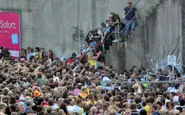
July 24th 2010: The day the music stopped in Germany
Throughout the nineties and noughties the electro music fest Love Parade epitomized the ramshackle, liberated lifestyle that originated in Berlin and swept across Germany. But a disaster on July 24th 2010 put an end to this ideal in the most traumatic of circumstances.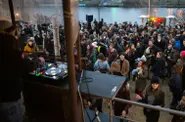
‘The night economy’: how even conservatives are trying to protect Berlin techno
Berlin’s music scene is in danger of becoming a victim of its own success. Party tourism fills up the clubs but leaves locals seething at the noise. Can Berlin city hall help keep the peace?
Ten face new trial over negligence in fatal Love Parade stampede
A court ruled on Monday that ten people will face trial accused of negligently causing a catastrophic stampede at a 2010 "Love Parade" techno music festival that killed 21 people.
Berlin techno grandpa hopes to hit wildest party in USA
Bernhard Enste is a legend on the Berlin techno scene - he's 67 and still hits the capital's most unhinged clubs. Now he wants to go to Burning Man, a seven-day rave in the Nevada desert.
Berghain 'best place on Earth' says Claire Danes
Hollywood star Claire Danes took a break from shooting the new season of Homeland in Berlin this year to drop into the capital's most notorious club – and she liked what she found.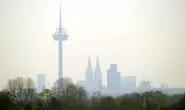
Cologne's 10 must-see spots for culture vultures
As Germany’s fourth-largest city, Cologne has always played an important role in German contemporary culture. Frederica Miller explains why it's still buzzing with cultural life despite the halo of glamour shifting to Berlin.
Berlin's techno scene shows its feminine side
While a woman behind the decks is nothing new, Berlin's electronic ladies say they have to work extra hard to get the attention they deserve in a male-dominated industry, <b>Ruth Michaelson</b> reports.