As coronavirus cases in Germany have started to climb again, so too has the demand for toilet paper: concerns about new restrictions have led to increased demand for certain goods across the country.
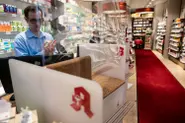
Touted as a simple but effective shield against coronavirus infections, transparent screens have sprung up at
supermarket tills and pharmacies across Germany.
Before you pour your milk today, look carefully at the packaging – because a Germany-wide recall on several products has been issued due to bacteria fears.
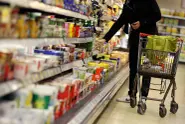
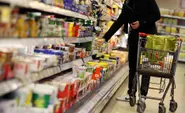
For many people, one of the biggest culture shocks of Germany is not just the office or the bureaucracy of the Bürgeramt, but the supermarket. We teamed up with Easy German to produce a video on how this topic. plus we break down everything you need to know for your next shopping trip.
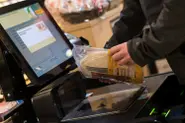
On Tuesday a German newspaper breathlessly described the advancement of a new technology into the shops of Hamburg - the self-service checkout terminal.
The Dutch are coming! The Supermarket Union in the Netherlands fears they will lose many of their customers to German shops due to a rise in VAT on groceries.
Recent reports show Germans getting ever more obese, which poses an even greater public health problem to combat such illnesses as diabetes. But it's not just German nutritionists who are getting in on the push for better eating habits.
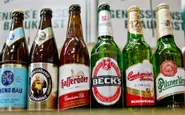
As Germans slowly fall out of love with their lager, brewers have felt the pinch. Now the Federal Cartel Office has caught them fixing prices with supermarkets and has thrown the book at them.
Forgetting your own bag when you head to the supermarket could become much more expensive from April 2016, as retailers have suggested that ordinary plastic bags should cost 20 cents each in advice to the government.
A quiet price war between Germany's discount supermarkets is putting farmers under huge economic pressure, with sausage and meat products the latest to see prices drop.
Prices at discount German supermarkets Aldi and Lidl have risen quicker than those at their more expensive competitors, a consumer watchdog study revealed on Thursday.
A Sinti and Roma group are calling for German food companies to change the name of popular <i>Zigeunersauce</i>, “gypsy sauce”. But manufacturers are not rushing to reprint labels.
German manufacturers and supermarkets are still ignoring a huge untapped market for halal goods and typical Turkish ingredients, even after five decades of Turkish immigration to the country.
Ten years after Germany relaxed its laws on Saturday opening hours, supermarkets in the cities have cashed in on staying open longer, while in rural areas few remain open past 6.30 pm. Trade unions say workers are under too much pressure.
Discount supermarket chain Lidl has been fined €1.5 million for leaving dangerous, Listeria-contaminated cheese on sale for too long. One person died after eating the cheese and three more became ill.
The trip to the local bakery to pick up fresh German bread in the morning is likely become longer, as an industry association expects more than a third of all small bakeries will close by 2020.
German discount supermarket Aldi Süd sparked concern among dairy farmers on Wednesday by announcing it was slashing the retail prices of dairy products by up to ten percent.
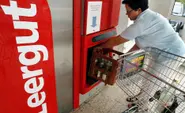
Ten years into the German recycling law which put deposits on drinks containers that cannot be used again, the share of drinks sold in re-usable containers has actually gone down.
“Drive-in” supermarkets are coming to Germany. The first opened Tuesday in Lower Saxony and, if successful, could become a model of convenience for the rest of the country.