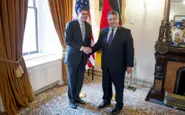
US Treasury Secretary Jacob Lew, in a meeting on Wednesday with German Economy Minister Sigmar Gabriel, called on Germany to boost public spending to stimulate stuttering eurozone growth, the Treasury said.
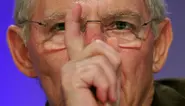
Finance Minister Wolfgang Schäuble removed his diplomatic gloves on Friday, blasting the United States’ decision to go ahead with a massive economic stimulus measure that could harm Germany.
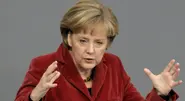
Chancellor Angela Merkel on Thursday defended her coalition’s controversial tax cut plans and said she would stand by her promise to overhaul Germany's tax system in the coming years, financial daily <i>Handelsblatt</i> reported.
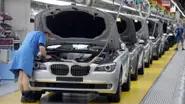
German exporters took a double hit of bad news Wednesday, with latest figures showing China had snatched Germany's title as the world's biggest exporter and industry warning the sector would not recover from the recession until 2014.
The powerful IG Metall union called on the federal government on Sunday to put €100 billion into a future investment programme that would bolster technological innovation by German industry.
The January 2010 tax cuts planned by Chancellor Angela Merkel's new centre-right coalition faced failure on Friday amid growing resistance from Germany's states. Politicians are now discussing the possibility of pushing the changes back to 2011.
Germany's trade surplus soared in July as its export engine revved up, official data showed on Tuesday, but a drop in industrial output signalled that economic recovery is fragile.
After Hungary, the financial crisis has damaged Germany more than any other European nation, but the country is also leading the way back to prosperity, a new study published by daily <i>Die Welt</i> found on Monday.
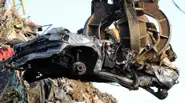
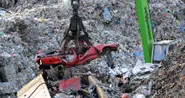
Politicians are calling for tighter controls after further reports of criminal misuse of Germany’s "cash for clunkers" car scrapping premium emerged this week.
German Finance Minister Peer Steinbrück warned on Wednesday that the next government after September’s general election would have to contend with a “mammoth” problem of mounting debt.
Nearly 20 years after the fall of the Berlin Wall, Germans from the country’s formerly communist eastern half remain at greater risk of falling into poverty.
Germany slashed its economic forecast on Wednesday, predicting one of the worst recessions in the developed world this year. But Economy Minister Karl-Theodor zu Guttenberg raised hopes of a recovery in 2010.
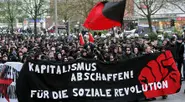
The economy is tanking, people are losing their jobs, but is Germany really on the brink of widespread civil unrest? The Local’s Marc Young explains why you won’t see riots in central Berlin or Munich this summer.
Germany's economy is poised to shrink by a record six percent this year – the worst recession since World War II – a group of top economic institutes said on Thursday.
Hoping to better coordinate Germany’s response to the global economic crisis, the government will hold an economic summit at the Chancellery next week with business leaders and representatives from the country’s trade unions, Munich-based daily <i>Süddeutsche Zeitung</i> reported on Tuesday.
German auto sales shot up 40 percent in March compared with the same month in 2008 in what analysts on Thursday called a "shopping frenzy" that will lighten the recession in Europe's top economy.
German Chancellor Angela Merkel said throwing too much money into reviving global economic growth would make the recovery unsustainable, in comments published Saturday.
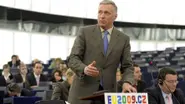
Germany said on Wednesday that it remained confident the EU reform treaty would be passed despite political turmoil in the Czech Republic, which currently holds the European Union’s rotating presidency.
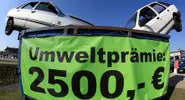
German Chancellor Angela Merkel and Foreign Minister Frank-Walter Steinmeier said Wednesday they would consider extending <i>Abwrackprämie</i>, or scrapping premium, due to its “great success” in helping the nation’s ailing auto industry.
The German government wants to extend its successful <i>Abwrackprämie</i>, or scrapping premium, by up to €1 billion to buoy the nation’s ailing auto industry, daily <i>Rheinische Post</i> reported on Tuesday.
France and Germany insisted on Tuesday that an upcoming crisis summit of the Group of 20 rich and emerging nations must result in stricter financial market regulation.