A report presented by the OECD in Berlin on Thursday gave Germany good marks in comparison with other countries for its educational standards, but there were still some negative headlines.
As some of the biggest boozers among rich countries' citizens, Germans have been warned that they should cut down on alcohol to safeguard their health and save the taxpayer money.
The Organization for Economic Cooperation and Development (OECD) boosted forecasts for Germany's economic outlook on Wednesday, but still urged the need for economic reform worldwide.
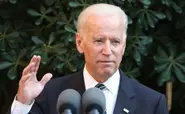
US Vice President Joe Biden suggested Germany was hostile towards immigrants in a speech on Tuesday, in which he described the US as the only "non-xenophobic" major economy in the world.
Germany must do more to reduce poverty risks made worse by reforms to the labour market that have reduced joblessness but widened inequality, the Organization for Economic Cooperation and Development said on Tuesday.
One in six German adults has the reading age of a ten-year-old, while 13 percent cannot use a computer mouse, according to an international intelligence test released on Tuesday.
Germany will need large numbers of highly skilled immigrants in the coming years to compensate for its rapidly ageing population, according to a new report released by the OECD on Monday.
Germany's importance as an economic player will decline significantly by 2060 as its population grows older and in the face of China and India's rapid growth, the OECD has reported.
The gap between rich and poor in Germany is widening dramatically, a new OECD report says, warning that investment in education and training were key to fighting inequality.
Germany is falling behind in its production of skilled young workers, according to a report from the Organisation for Economic Cooperation and Development, which shows stagnation of the number of people attending higher education.
The risk of poverty in Germany is “very high” because the long-term unemployed have little incentive to work, the OECD said Tuesday in a dramatic entry into the Hartz IV debate.
Germany is producing too few university graduates to sustain its own supply of skilled workers and continues to lag well behind other countries in education spending, an OECD report released Tuesday found.
The Organisation for Economic Cooperation and Development on Friday chided Germany for not doing more to boost innovation and services to help its recovery, and warned Europe's largest economy against creating a two-tier labour market.
Germany invests less money in education than almost all other industrialised nations, according to a new study presented on Tuesday in Berlin by the Organisation for Economic Co-operation and Development (OECD).
The gap between rich and poor in Germany has grown dramatically over the past 20 years, according to a new report released by the Organisation for Economic Co-operation and Development (OECD) on Tuesday.