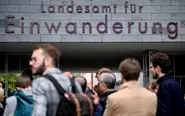
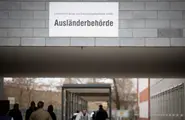
Dozens of disgruntled foreign nationals gathered at Berlin's immigration office on Friday to protest long processing times to get German citizenship and the bumpy transition to a digital system.
Germany's draft law to allow dual citizenship has now passed votes in both its legislative chambers - the Bundestag and Bundesrat. But there's still one last constitutional step it has to clear before it becomes law. Here's how that impacts when the new rules will come into effect.
German citizenship law is based on the principle of descent, which means that a child automatically acquires the citizenship of a parent regardless of their place of birth. However, when you were born and whether your parents were married can affect this right.
With up to 50,000 people in Berlin waiting for their citizenship applications to be processed, many applicants are getting impatient. Immigration lawyer Sven Hasse tells The Local what people can do to try and speed up the process.
Under Germany's new citizenship law, foreign nationals can apply for citizenship after five years of residence, or just three years for those who achieve 'special integration'. But what exactly qualifies you for that status?
Germany is finally set to allow dual nationality for everyone this year, with citizenship reform having passed both its legislative chambers - the Bundestag and the Bundesrat. The path here has been long, and often fraught with controversy.
The most common scenario for a German citizen to lose their citizenship currently is if they take up a foreign one. That will change under the new rules - but there's still a few caveats to be aware of.
Germany's naturalisation reform has been passed in the Bundestag and the Bundesrat. Readers are keen to know if it allows applicants to hold multiple nationalities or only dual citizenship.
After the German Bundestag passed a draft law allowing dual citizenship on January 19th, the Bundesrat (upper chamber) - which represents the federal states - looks likely to pass the law Friday.
The German Bundestag has cleared the governing coalition's draft law allowing dual citizenship and the legislation is scheduled to hit the Bundesrat on Friday. It's still not exactly clear when the new rules will actually come into force - but late May looks likely.
News of Germany's right-wing extremists meeting to discuss how to deport immigrants, even ones with German passports, spells bad news for those thinking of taking up dual citizenship, writes Brian Melican.
The German parliament recently approved a reform of nationality laws, paving the way for dual citizenship. How big a deal is this for long-time residents with a migrant background? We asked a migration and integration expert.
After Germany's dual citizenship law was passed in the Bundestag, many more people will be hoping to apply - but foreigners with a criminal record may run into issues. Here are the offences that bar you from citizenship - and those that are treated more leniently.
Bavaria's Interior Minister has criticised the governing coalition's draft law allowing dual citizenship, which passed the Bundestag on Friday. The Conservative-led state says it intends to vote against the law in the Bundesrat - Germany's upper chamber representing the states. But can it succeed in doing so?
Foreigners in Germany greeted the Bundestag's approval of a law allowing dual citizenship with both excitement and trepidation. With wait times already at over two years in some places, those eligible for German citizenship are expecting long delays to get a passport.
After repeated delays, the coalition's landmark law allowing dual citizenship for people naturalising as German has passed parliament. Foreigners living here tell us they're excited, relieved, and a bit worried about long wait times - all at the same time.
Many foreign nationals who've managed to gain a permanent residency permit may be wondering whether it's worth going that one step further to become a German citizen. Here are 8 reasons why it is.
German MPs voted through a sweeping reform of the country's citizenship laws on Friday, paving the way for dual nationality and shorter residence requirements for naturalisation.
The German government's long-awaited and oft-delayed draft law allowing dual citizenship could clear another significant hurdle on Friday. The Local Germany will be following this story with updates throughout the day.
At the start of the year, Berlin's new centralised naturalisation authority opened its doors. What's changed for citizenship applicants in the German capital - and will the new office process applications faster than before?
For the first time, Germany snagged the top spot in an annual ranking of the world's most powerful passport. It shares the title with a handful of other countries.
Under a new service launched by the immigration office on Tuesday, foreigners in Berlin can check if they're eligible for German citizenship and submit their applications online.
With Germany's hotly anticipated draft law allowing dual citizenship facing delays, many are wondering precisely when they should apply to take advantage of it. But some might already be eligible.